
Last Updated on January 6, 2026
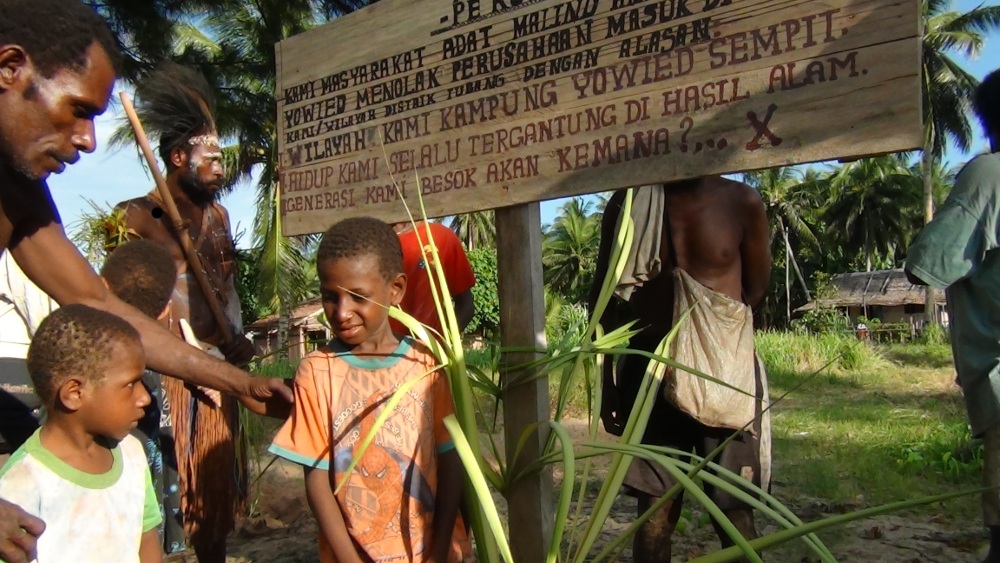
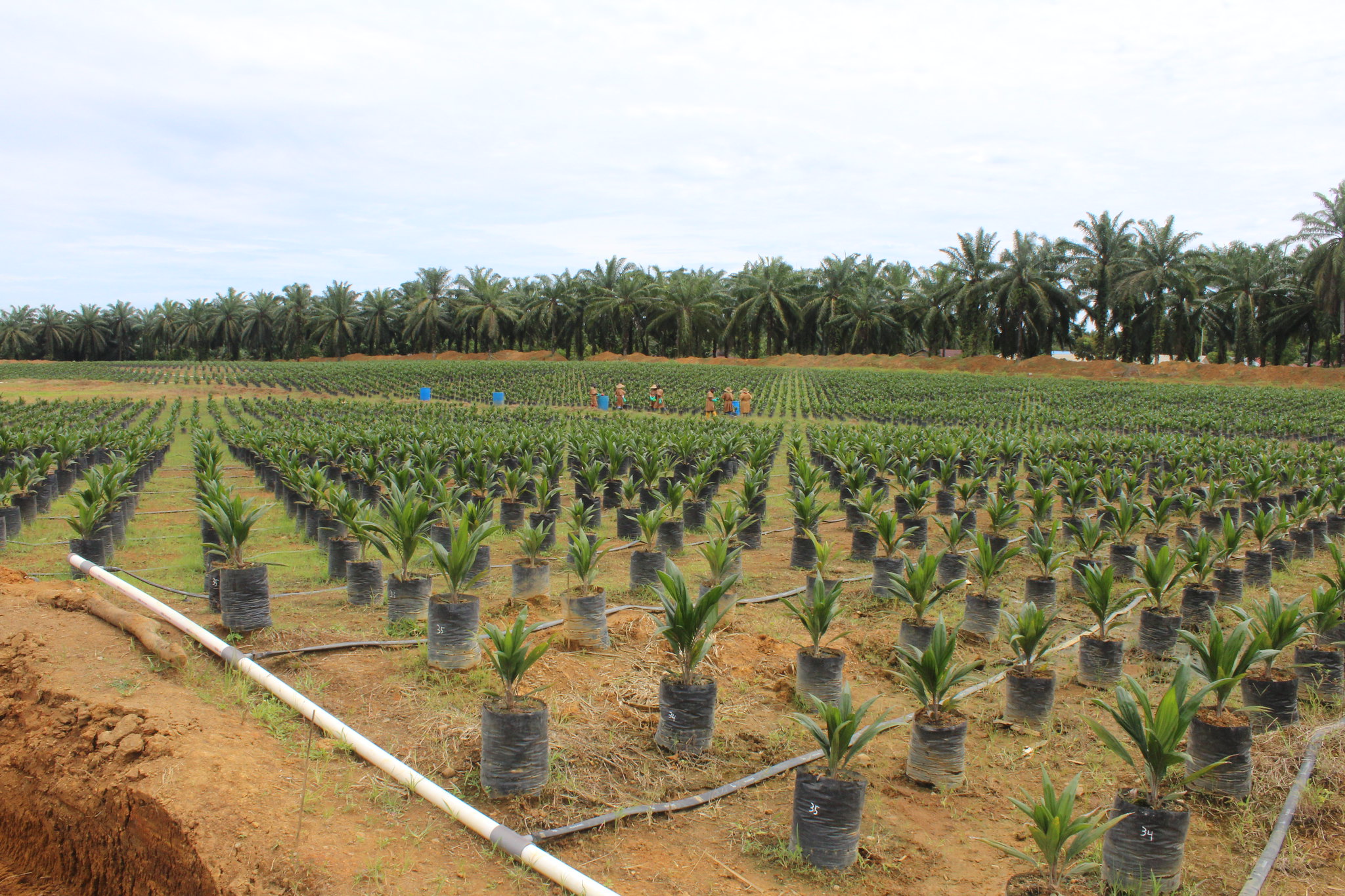
The West Papua provincial government reaffirmed Monday that Indigenous communities with customary land rights have the legal authority to approve or reject any expansion of palm oil plantations in their forests, a policy change officials and local advocates say aims to safeguard both community rights and the region’s sensitive ecology.
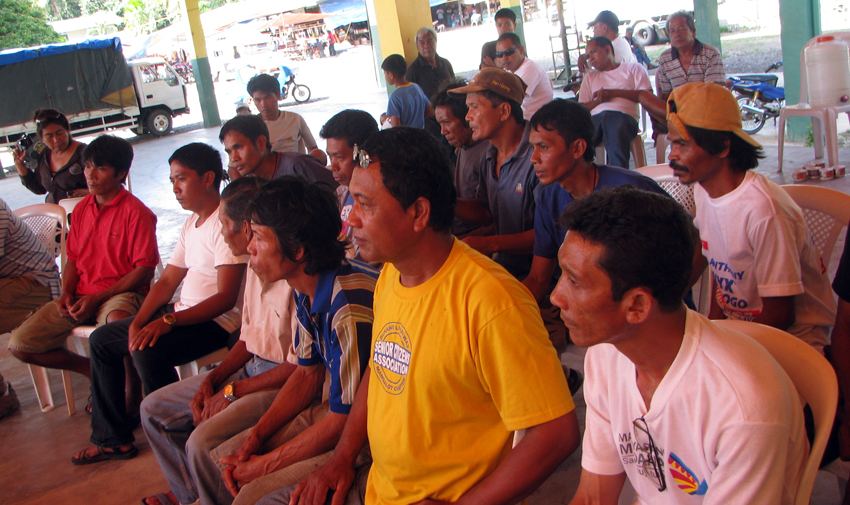
Under a new standard operating procedure issued by the West Papua Forestry Office, no plans to release forest areas for palm oil development can proceed without a formal letter of consent from the affected Indigenous peoples, Jimmy Walter Susanto, head of the forestry office, told reporters in Manokwari. If customary communities withhold their approval, neither the governor nor technical agencies will grant necessary permits.
Indigenous aspirations are a top priority in policymaking related to forest utilization, Susanto said, stressing that the approach is designed both to prevent social conflict and to ensure investment decisions respect community rights and promote sustainable forest management.
The policy marks a notable shift in Indonesia’s palm oil governance in West Papua, where existing plantations are concentrated in Manokwari, Teluk Bintuni, and Fakfak but no new clearing permits have been issued pending community consent.
Local advocates have long warned that expansion without Indigenous consent risks not only environmental degradation but also cultural and social harm. Filep Wamafma, chairman of Committee III of the Regional Representative Council, said Papuan Indigenous peoples view forests as “a mother, a place of refuge, and a source of life,” and urged deeper study of ecological and cultural impacts before any new permits are considered.
Papua’s forests are home to rich biodiversity and support livelihoods for numerous tribal communities. Indigenous leaders and civil society organizations have previously objected to large-scale palm oil projects that they say have encroached on ancestral lands without adequate consultation — a practice widely criticized in environmental and human rights circles.
The new provincial stance aligns with broader calls for free, prior and informed consent (FPIC), an internationally recognized standard for Indigenous rights, which requires that communities be meaningfully consulted and agree to development on their lands before approvals are granted. While Indonesia’s legal framework includes provisions for customary land rights, implementation has varied across regions, and activists have pursued court challenges and legislative advocacy to strengthen protections.
West Papua’s policy announcement signals that the province is seeking to balance economic interests with environmental stewardship and respect for Indigenous sovereignty — an approach that may influence future natural resource governance decisions both within Indonesia and across the broader Southeast Asia palm oil belt.
Across the world right now, Indigenous peoples are facing a renewed assault on their lands, rights, and ways of life.
From extractive industries pushing deeper into ancestral territories, to governments rolling back hard-won protections,
the threat is global—and it is growing.
What makes this moment especially dangerous is how little attention it receives.
Stories like this are disappearing in real time. Mainstream media
barely covers it and the coverage is fragmented. The public is left without the context
needed to understand what is truly at stake.
That is exactly why IC Magazine exists..
For more than 20 years, IC has reported on Indigenous struggles worldwide — consistently, independently, and without compromise.
We don’t follow news cycles; we trace patterns. We don’t sensationalize; we provide context.
And when the world looks away, we stay focused.
But this work is increasingly difficult to sustain.
We refuse to lock our reporting behind a paywall. We don’t sell access through subscriptions.
And we don’t answer to advertisers. IC Magazine survives solely because readers like you choose to
support independent Indigenous journalism.
Please donate today if you can. Every contribution helps us to continue this crucial work.
Thank you,
John Ahni Schertow
Founder and Editor in Chief