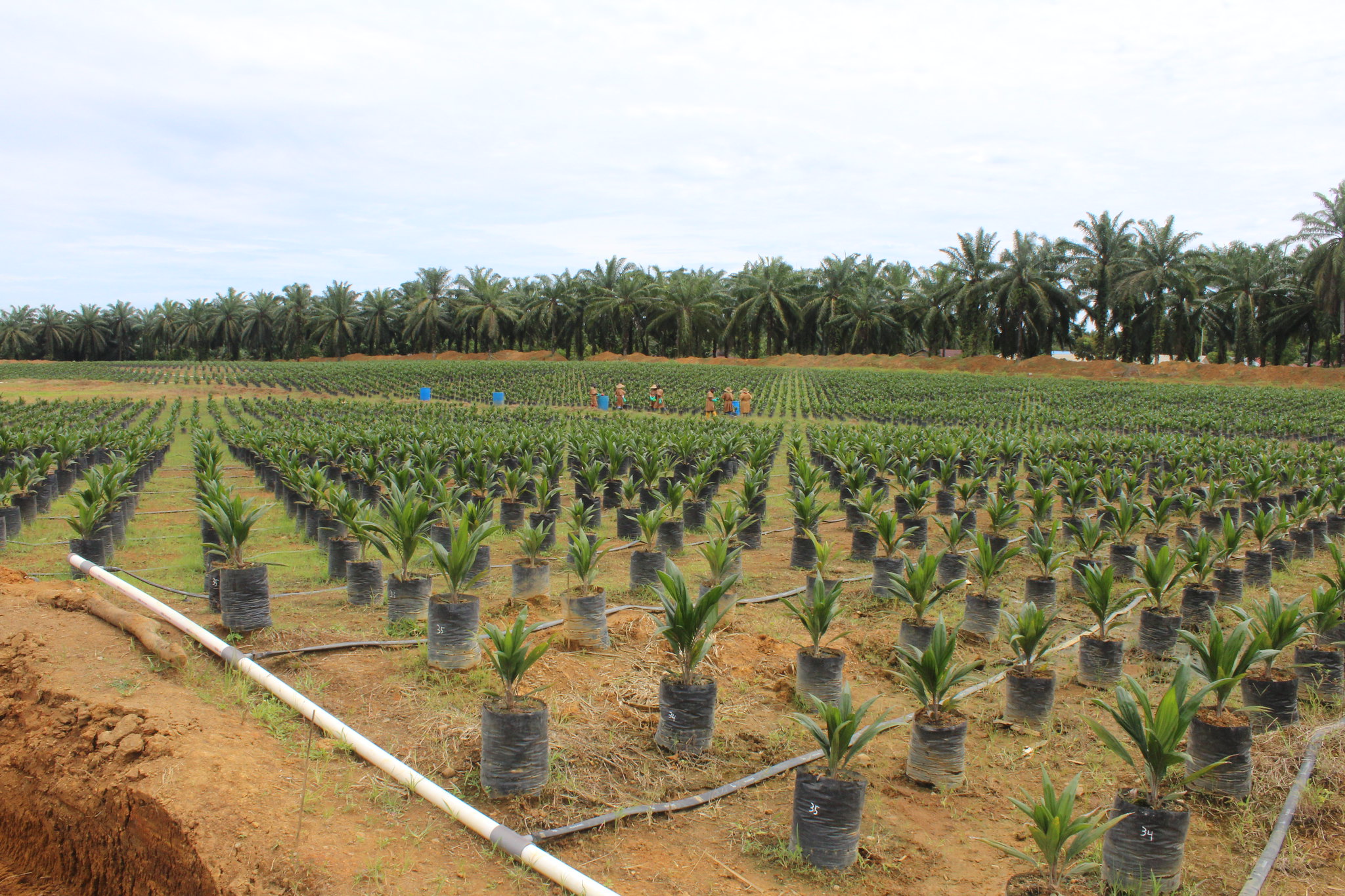
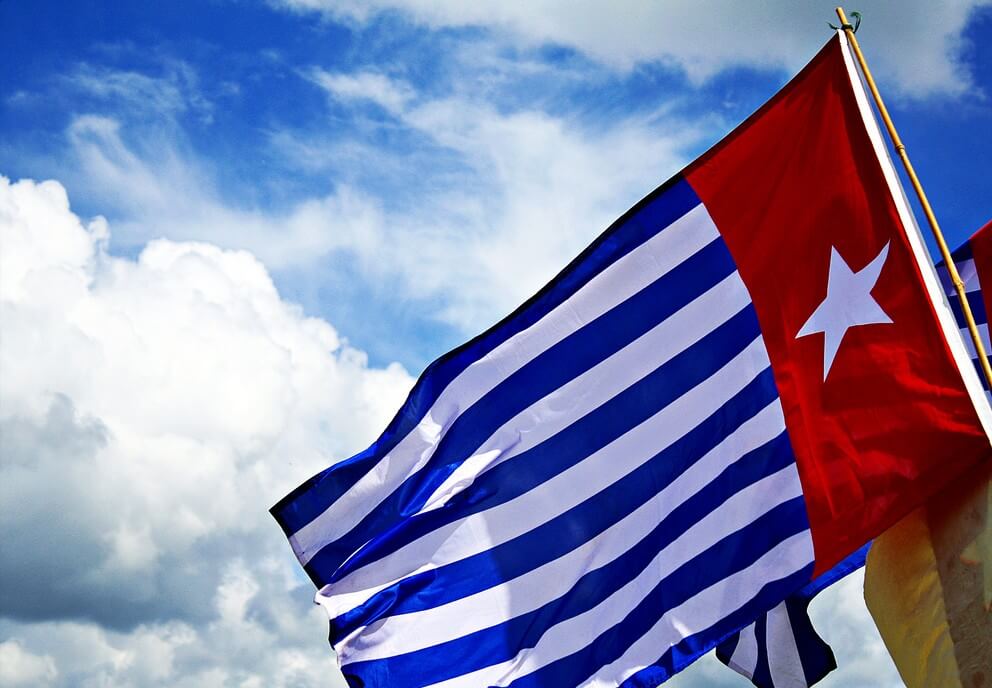
West Papua covers the western part of the island of New Guinea and comprises the two Indonesian provinces of Papua and West Papua (Papua Barat). Fifty percent of its 2.7 million inhabitants are of indigenous Melanesian origin and 50% are Indonesian migrants, many of them drawn to West Papua by the large-scale transmigration programme pursued by the Indonesian government following the incorporation of the former Dutch colony in 1963.
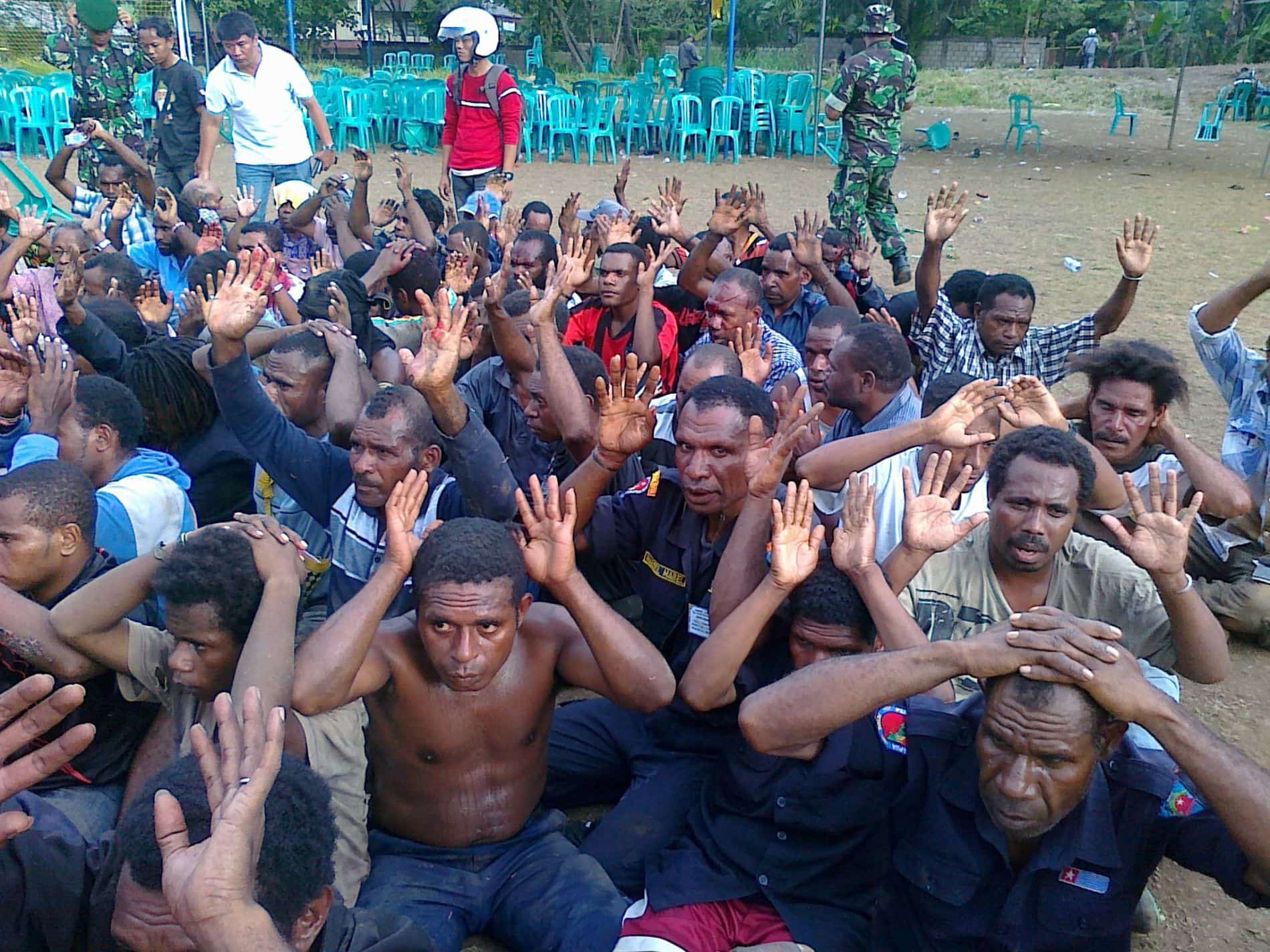
Papuans have always demanded their autonomy. The hopes that were raised with the enactment of the Law on Special Autonomy for West Papua in 2001 and the adoption of the UN Declaration on the Rights of Indigenous Peoples by Indonesia in 2017 have, however, thus far been frustrated. Their socio-economic situation remains alarming and the creation of a new province in the western part of the island in 2003 – the province of Papua Barat –was seen as dividing the region and a violation of the law on special autonomy. Oppression on the part of the security forces is ongoing.
International Work Group for Indigenous Affairs, The Indigenous World 2019