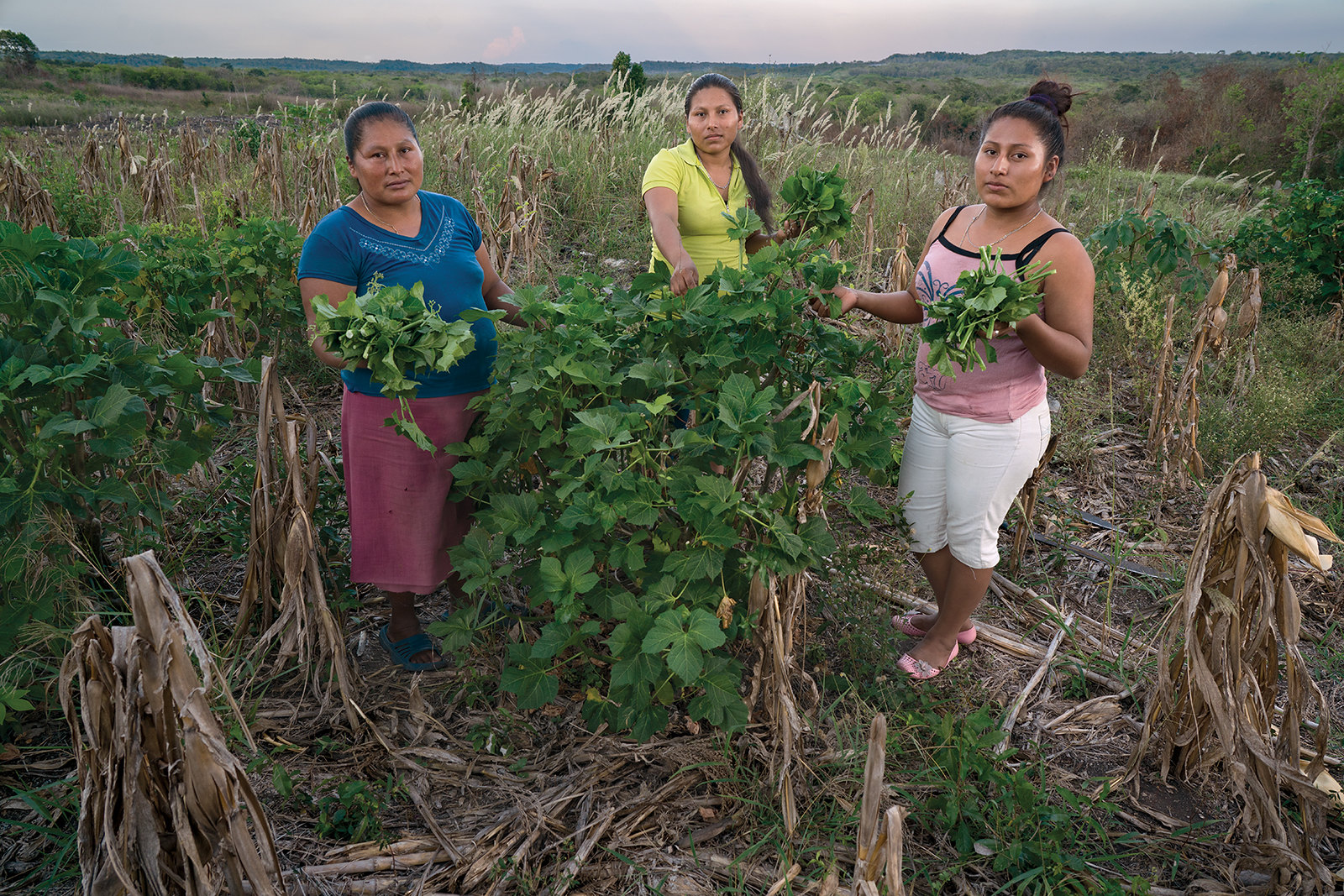
The Maya are Indigenous nations whose civilizations span southern Mexico, Guatemala, Belize, and parts of Honduras and El Salvador. Renowned for advancements in astronomy, mathematics, and architecture, the Maya built complex city-states and developed one of the world’s most sophisticated writing systems. Today, millions continue to speak various Maya languages and maintain spiritual, agricultural, and cultural practices rooted in ancestral worldviews.
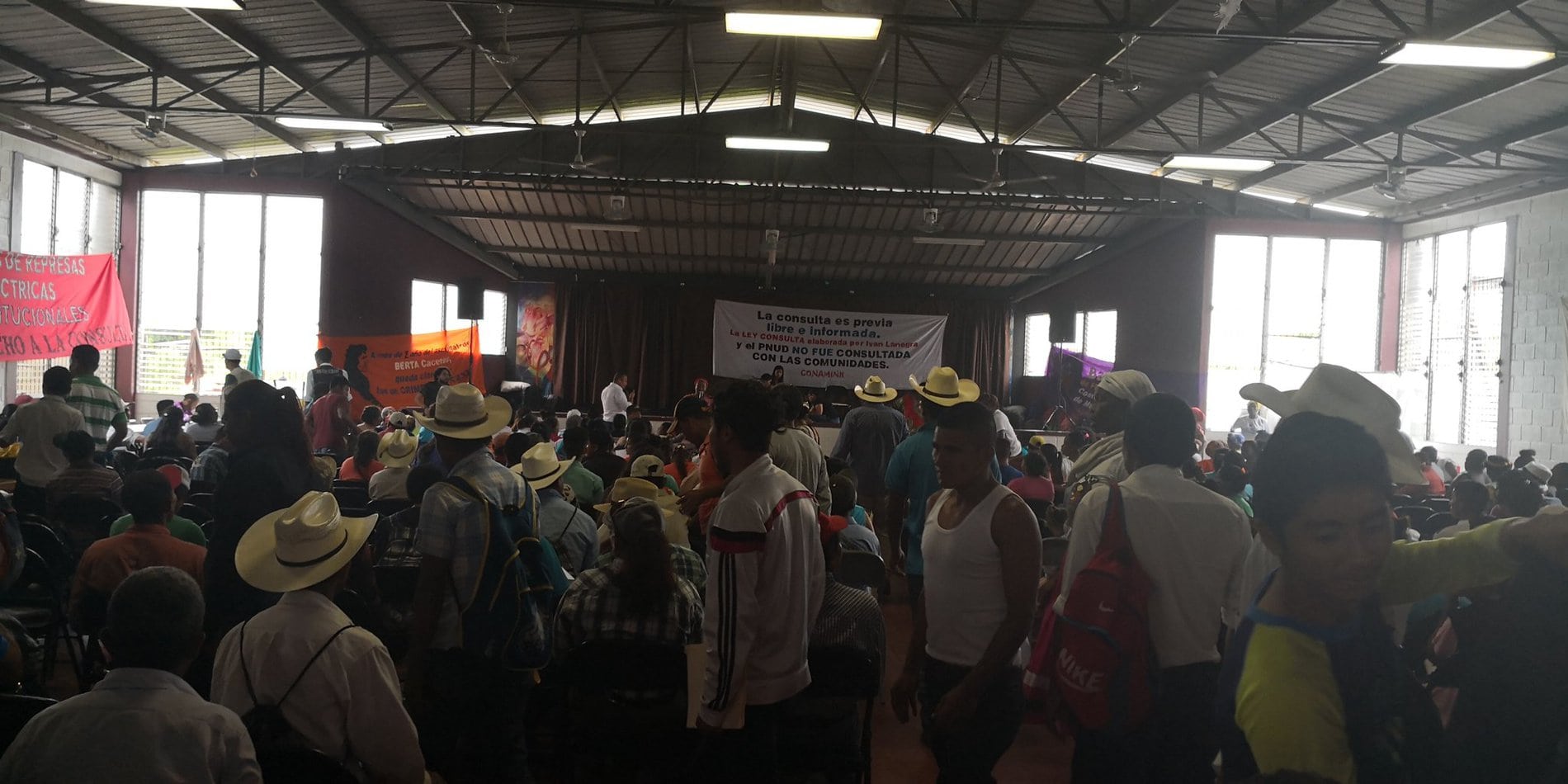
Modern Maya communities face systemic challenges, including land dispossession, state neglect, and discrimination. Development projects, mining operations, and tourism often proceed without meaningful consultation, leading to displacement and environmental degradation. Educational systems have historically devalued Indigenous languages and histories, contributing to cultural erosion. In rural areas, access to healthcare, clean water, and political representation remains limited.
Inspiring resilience defines the Maya today. Grassroots movements across the region are reviving traditional governance, defending territories, and revitalizing languages through bilingual education. Maya scholars, artists, and activists are reclaiming narratives, challenging colonial legacies, and building transnational solidarity. This cultural resurgence not only strengthens Maya identity but also contributes to global movements for justice, Indigenous rights, and environmental stewardship.