Last Updated on June 6, 2026
Indigenous leaders in Belize are raising concerns over government initiatives they say could reshape control over traditional lands, intensifying a long-running debate over Indigenous land rights, development, and cultural survival along the country’s southern coast.
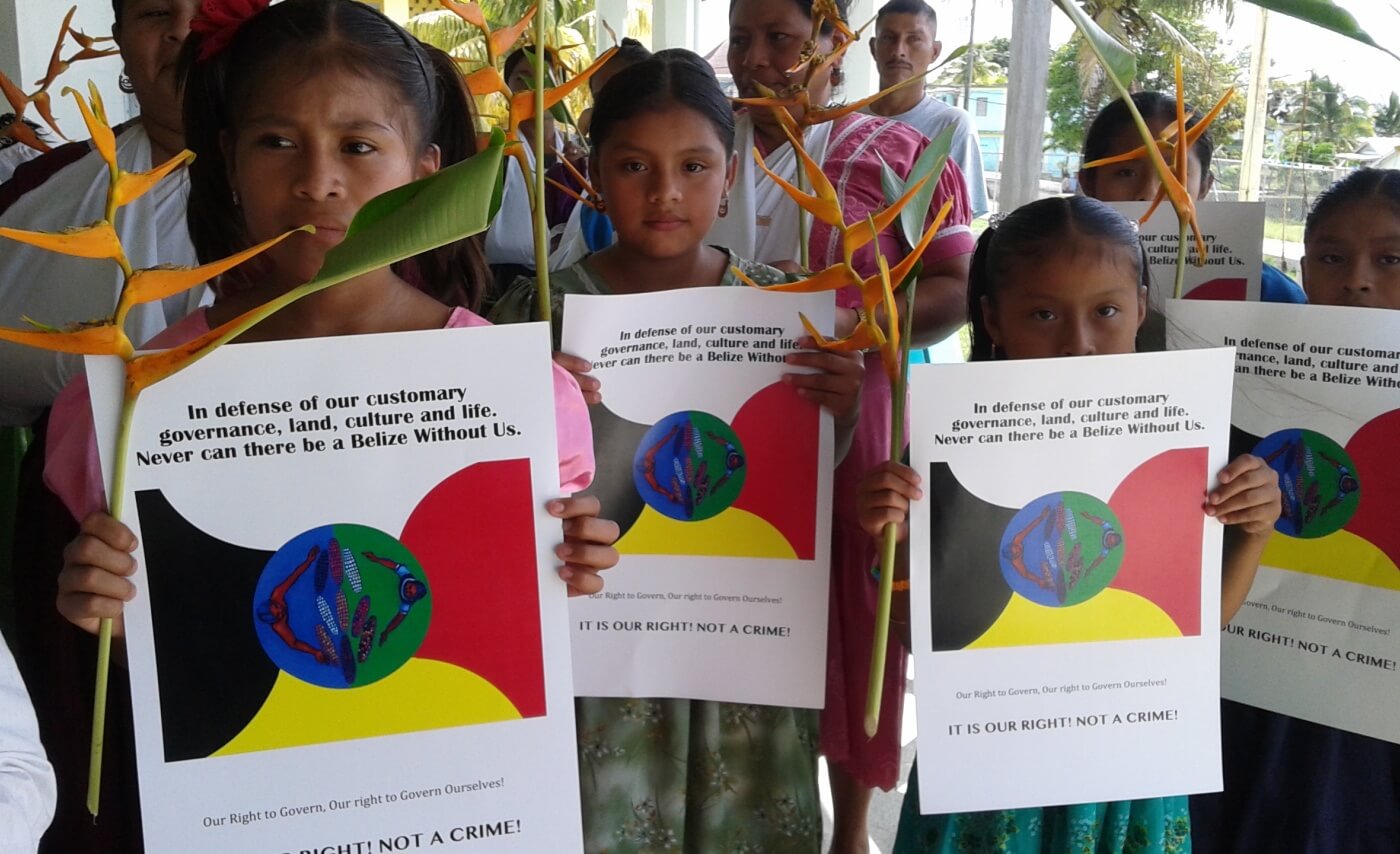
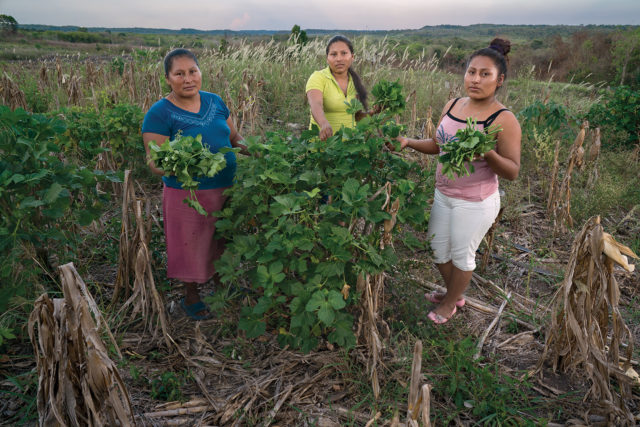
The controversy centers on two separate but related issues involving Belize’s Maya and Garifuna (Garinagu) peoples, both of whom argue that decisions about land governance cannot be separated from broader questions of Indigenous territorial rights.
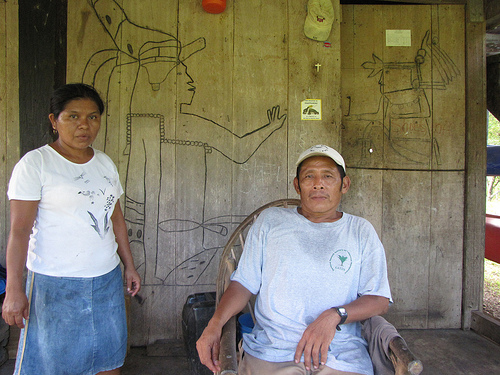
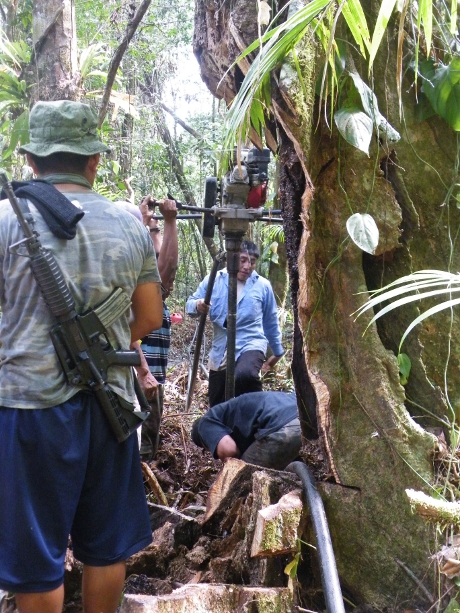
In southern Belize, the government is continuing work on legislation intended to address Maya customary land tenure following years of legal disputes and court rulings recognizing Maya land rights.
At the same time, officials have launched a process to formally define village boundaries between communities on the Placencia Peninsula and along the Stann Creek coast, a move that Garifuna organizations say could affect their traditional territories.
The disputes come more than a decade after the Caribbean Court of Justice (CCJ), Belize’s highest appellate court, affirmed Maya customary land rights in the Toledo District and ordered the government to establish legal protections for those lands. Despite the landmark ruling, questions remain about how those protections should be implemented and how they will affect existing landowners and development projects.
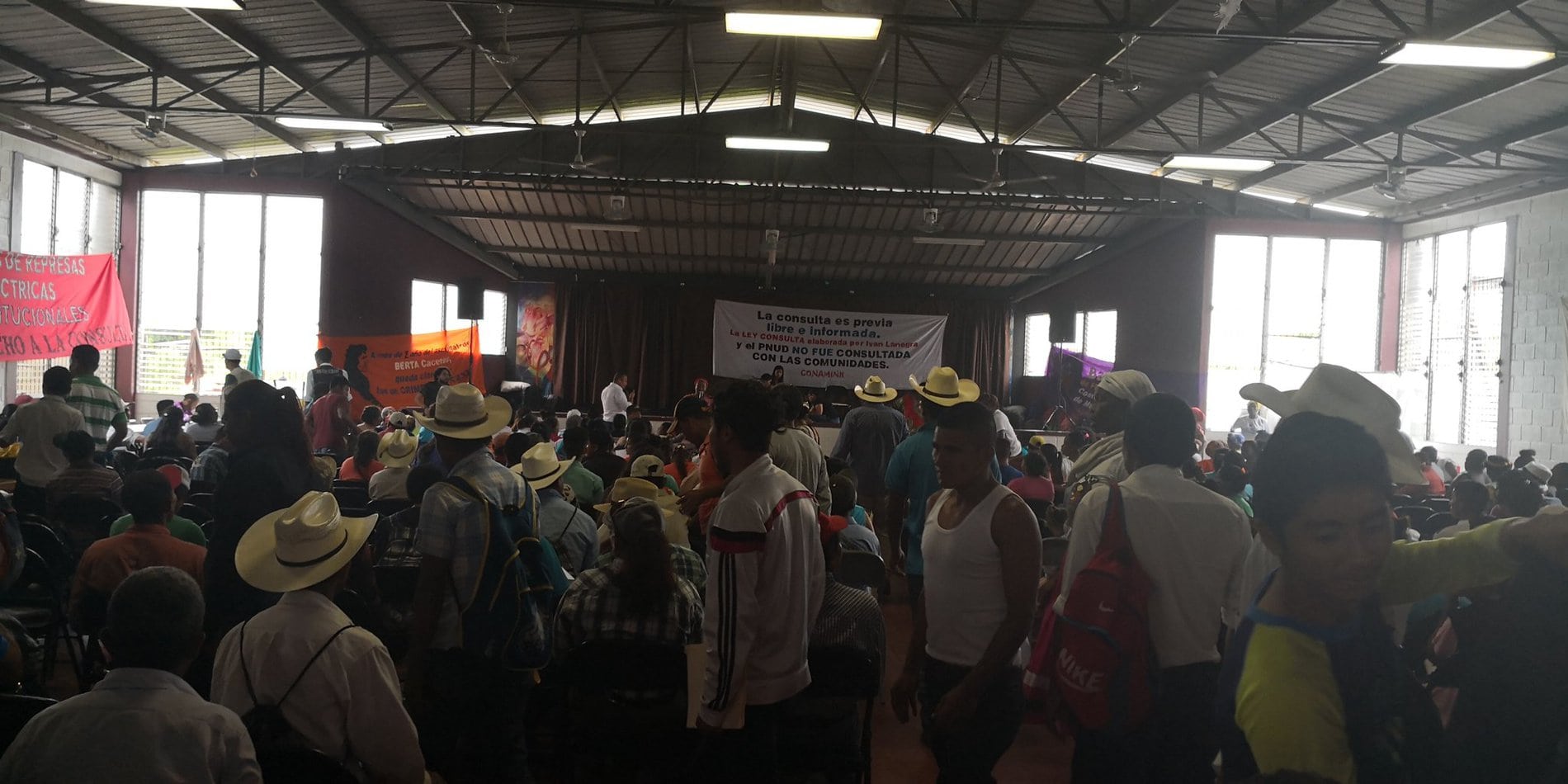
Maya organizations have recently accused the government of moving forward with draft land-tenure legislation without adequately consulting affected communities.
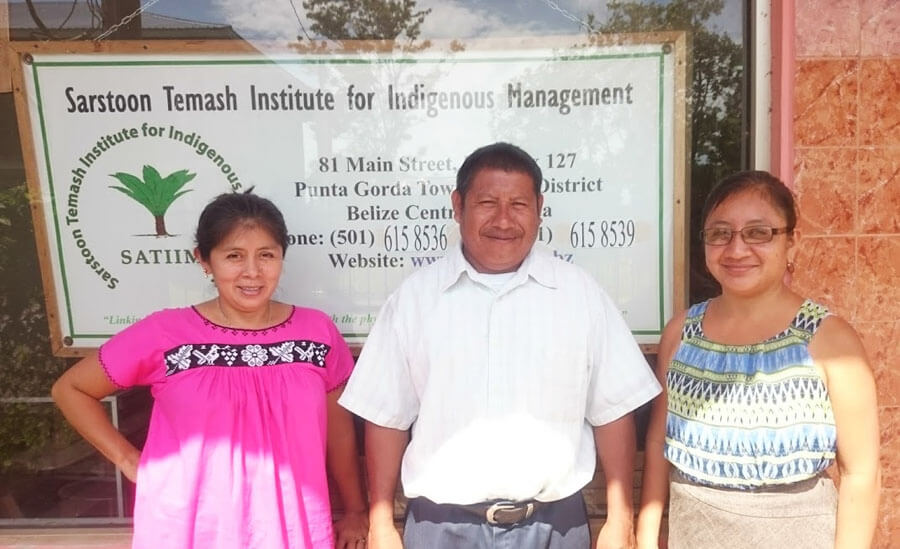
The Sarstoon Temash Institute for Indigenous Management (SATIIM), an Indigenous-led environmental and rights organization, has argued that meaningful consultation is required under both the 2015 Caribbean Court of Justice consent order and international standards on Indigenous rights. The group says every Maya village should have an opportunity to participate in discussions concerning customary land governance.
Government officials have acknowledged the sensitivity of the issue and say they are working to balance the interests of Indigenous communities, private landowners and other stakeholders.
Concerns have also emerged from some private property owners in southern Belize who fear that proposed reforms could create uncertainty over land titles and access rights.
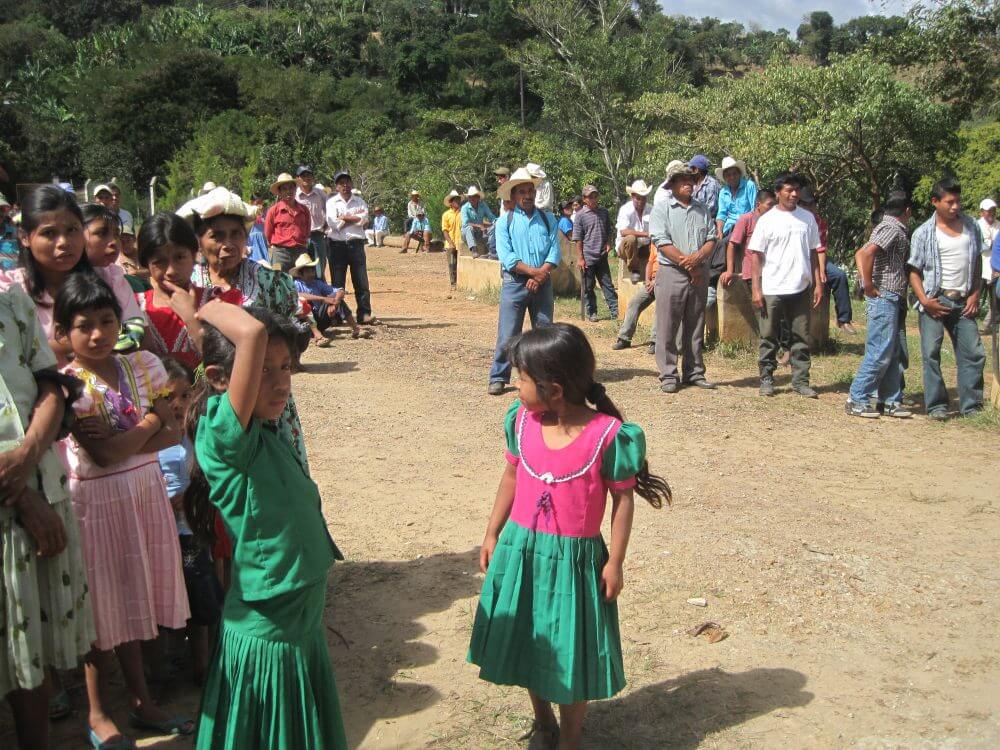
Meanwhile, on Belize’s Caribbean coast, the National Garifuna Council is challenging a government-backed effort to establish formal boundaries between several neighboring communities. Officials describe the exercise as an administrative process designed to clarify the jurisdiction of village councils.
Garifuna leaders argue that the process cannot be viewed solely as a technical matter. They contend that the delineation of village boundaries intersects with broader concerns about traditional Garifuna territories, especially as tourism, real estate investment and coastal development continue to transform parts of southern Belize.
According to the National Garifuna Council, increasing development pressure has contributed to fears that Indigenous communities could lose control over lands that have long been central to their culture and identity.
“Belize did not become independent until September the 21st, 1981. That’s a lot of years. We have been living autonomously in our communities since then. So for them to come now and say, ‘Oh, you know what? We own this land, we gonna tell you all what to do,’ that’s not gonna happen,” said Wellington Ramos, co-founder of the Garifuna Nation.
Maya leaders have also added their voices to the Garifuna’s fight, reports Greater Belize Media. “In a strong statement this week, the Maya Leaders Alliance declared full solidarity with the Garinagu, backing their push to defend ancestral land rights under international law.”
The alliance said that real justice will only come through unity and resistance, and they’re committed to standing side by side with the Garifuna.
Across the world right now, Indigenous peoples are facing a renewed assault on their lands, rights, and ways of life.
From extractive industries pushing deeper into ancestral territories, to governments rolling back hard-won protections,
the threat is global—and it is growing.
What makes this moment especially dangerous is how little attention it receives.
Stories like this are disappearing in real time. Mainstream media
barely covers it and the coverage is fragmented. The public is left without the context
needed to understand what is truly at stake.
That is exactly why IC Magazine exists..
For more than 20 years, IC has reported on Indigenous struggles worldwide — consistently, independently, and without compromise.
We don’t follow news cycles; we trace patterns. We don’t sensationalize; we provide context.
And when the world looks away, we stay focused.
But this work is increasingly difficult to sustain.
We refuse to lock our reporting behind a paywall. We don’t sell access through subscriptions.
And we don’t answer to advertisers. IC Magazine survives solely because readers like you choose to
support independent Indigenous journalism.
Please donate today if you can. Every contribution helps us to continue this crucial work.
Thank you,
John Ahni Schertow
Founder and Editor in Chief