
Last Updated on August 7, 2026
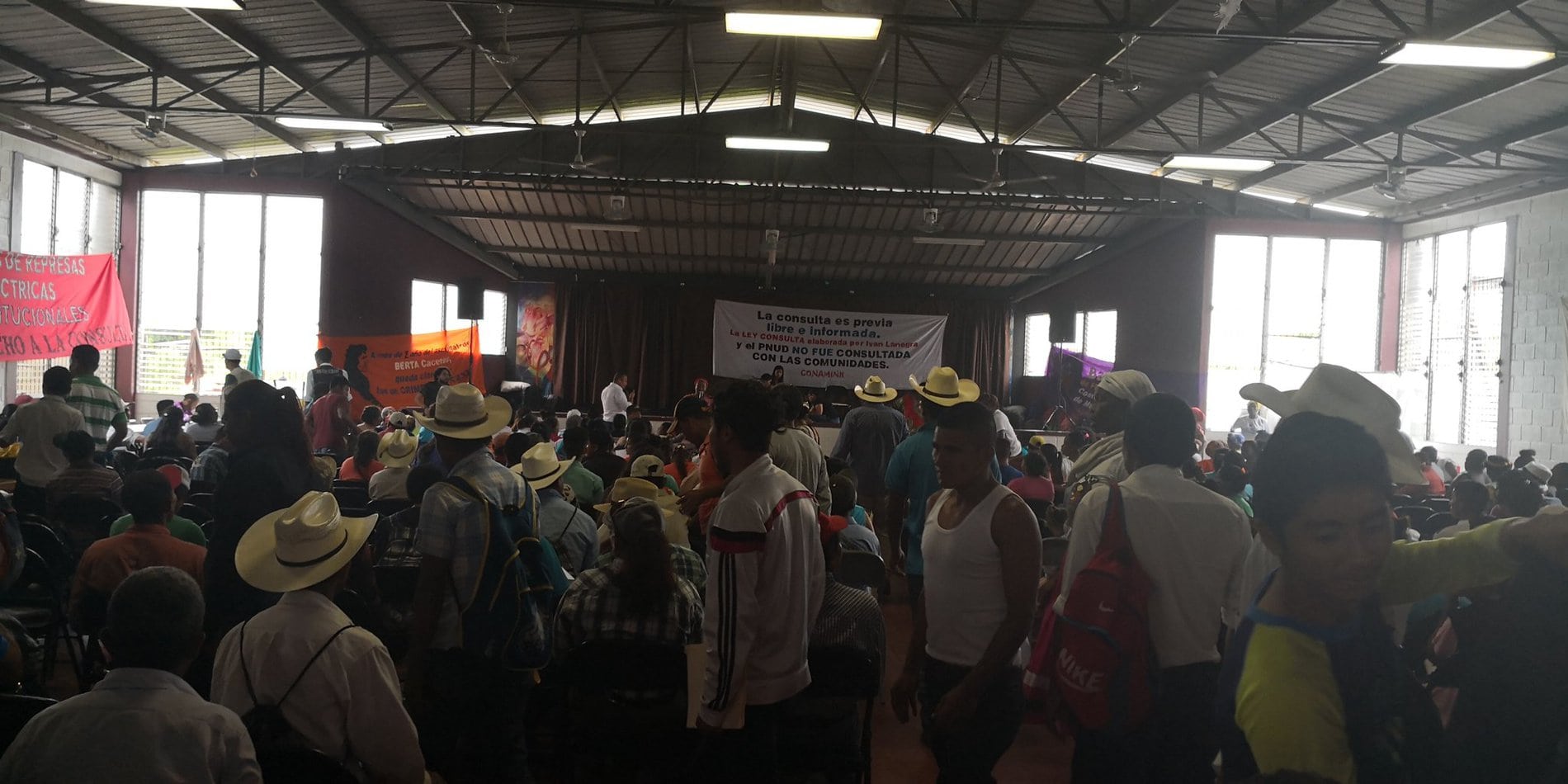
Dozens of human rights organizations are calling on Honduras’ judiciary to end the criminal prosecution of five members of the Black Fraternal Organization of Honduras, known by its Spanish acronym OFRANEH.
In a letter addressed to Wagner Vallecillo Paredes, presiding justice of Honduras’ Supreme Court and head of the judiciary, the organizations condemned what they described as the “illegal judicial persecution” of the five Garifuna who were arrested during a police operation in the Caribbean community of San Juan earlier this summer.
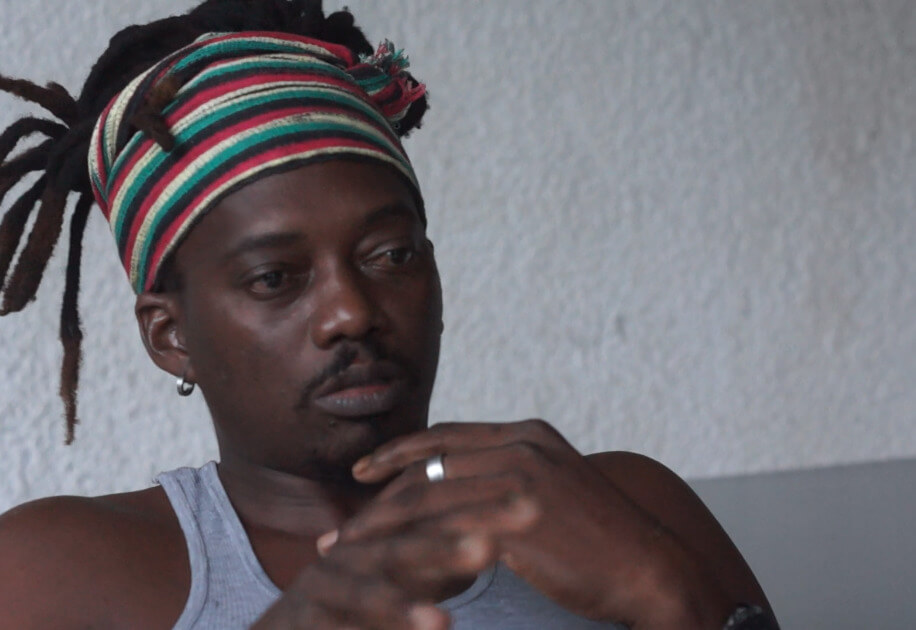
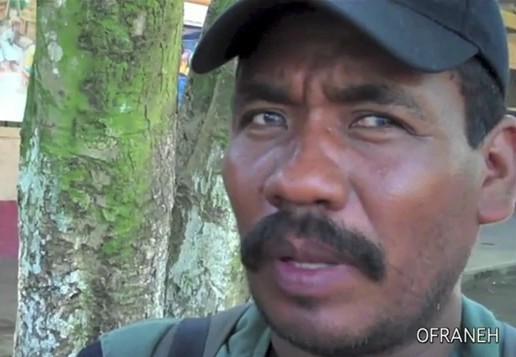
The defendants — Deinor Osmany Mejía Arzu, Irbin Rene López Cortes, Carlos Enrique Fernández Guzmán, Onil Rigoberto Hernández Zelaya and Sara Abigail Acosta — were detained after police carried out what supporters described as a violent and unlawful eviction in the Garifuna community of San Juan, in the municipality of Tela, on Honduras’ northern Caribbean coast.
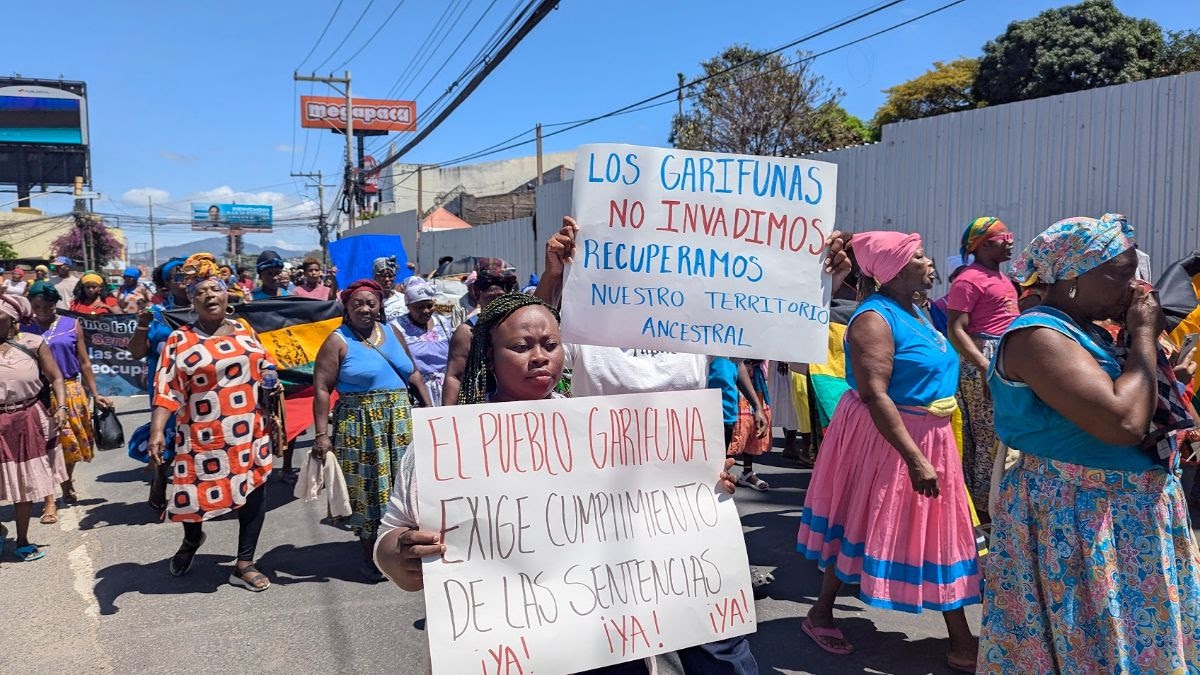
Although the five were later released, they continue to face criminal charges of aggravated usurpation, a charge typically associated with occupying land illegally. Supporters argue the accusation is unfounded because the land in question has already been recognized as Garifuna collective territory under binding international court decisions.
The organizations say the case reflects a broader pattern of increasing pressure against Garifuna communities defending their ancestral territories.
“The lawsuit against the five human rights defenders and members of OFRANEH is plainly illegal and arbitrary,” the organizations write in the letter.
The arrests come amid growing concern over a recently enacted Honduran law known as the Law to Strengthen and Protect the Agro-Industrial Sector, Energy Projects, Tourism, Livestock, and Small Agricultural Producers (Decree No. 107-2026). Human rights organizations contend the legislation could facilitate development projects on Indigenous and Afro-Indigenous lands while increasing legal risks for communities opposing them.
Garifuna organizations have argued the law threatens Indigenous and Afro-descendant peoples whose livelihoods depend on collectively held territories along Honduras’ Caribbean coast.
The coalition of organizations argues the prosecution also contradicts four rulings issued by the Inter-American Court of Human Rights, which found Honduras responsible for violating the territorial rights of Garifuna communities.
Those decisions include judgments involving the Garifuna communities of Triunfo de la Cruz and Punta Piedra in 2015, San Juan in 2023, and Cayos Cochinos in 2026. In each case, the regional court recognized Garifuna collective ownership of ancestral lands and ordered Honduras to restore territory, protect collective property rights and implement measures to safeguard the communities.
The organizations argue that continuing to prosecute OFRANEH members for defending lands already recognized under those rulings undermines Honduras’ international legal obligations.
Beyond the criminal case itself, the groups expressed concern about what they describe as an increase in racist rhetoric targeting Garifuna communities. According to the letter, public statements and social media posts have falsely portrayed San Juan’s territory as being under legitimate ownership dispute despite the Inter-American Court’s recognition of the community’s collective property rights.
The organizations also praised OFRANEH’s decades-long work defending Garifuna rights and protecting coastal ecosystems, describing the group’s efforts as nationally and internationally recognized.
Founded in 1978, OFRANEH has been one of Honduras’ leading organizations advocating for the rights of the Garifuna people, an Afro-Indigenous population whose ancestors settled along the Caribbean coast after escaping slavery and intermingling with Indigenous peoples on the island of St. Vincent before being forcibly exiled by the British in the late 18th century.
The coalition urged Honduras’ judiciary to immediately halt the prosecution of the five activists, fully implement all four Inter-American Court rulings concerning Garifuna communities, prevent further criminalization of Garifuna land defenders and take action to stop what it described as a growing racial hate campaign against the Garifuna people.
“Our organizations will remain especially vigilant regarding this situation,” the letter concludes.
Across the world right now, Indigenous peoples are facing a renewed assault on their lands, rights, and ways of life.
From extractive industries pushing deeper into ancestral territories, to governments rolling back hard-won protections,
the threat is global—and it is growing.
What makes this moment especially dangerous is how little attention it receives.
Stories like this are disappearing in real time. Mainstream media
barely covers it and the coverage is fragmented. The public is left without the context
needed to understand what is truly at stake.
That is exactly why IC Magazine exists..
For more than 20 years, IC has reported on Indigenous struggles worldwide — consistently, independently, and without compromise.
We don’t follow news cycles; we trace patterns. We don’t sensationalize; we provide context.
And when the world looks away, we stay focused.
But this work is increasingly difficult to sustain.
We refuse to lock our reporting behind a paywall. We don’t sell access through subscriptions.
And we don’t answer to advertisers. IC Magazine survives solely because readers like you choose to
support independent Indigenous journalism.
Please donate today if you can. Every contribution helps us to continue this crucial work.
Thank you,
John Ahni Schertow
Founder and Editor in Chief