The Pomo are Indigenous nations originating from what is now Northern California, with ancestral territories spanning from the Pacific coast to inland valleys and mountains. Their traditional lifeways reflect a deep ecological intelligence, including basketry that is world-renowned for its precision, artistry, and spiritual significance. Pomo languages and ceremonies are grounded in reciprocal relationships with land, water, and the cycles of the natural world.
The colonization of California brought devastating disruption to Pomo life. Waves of Spanish, Russian, and American expansion resulted in displacement, missionization, massacres, and forced relocation to reservations. In the 20th century, federal termination policies further severed land ties and dismantled governance structures. Today, many Pomo communities continue to face challenges related to land access, environmental degradation, and the ongoing impacts of intergenerational trauma.
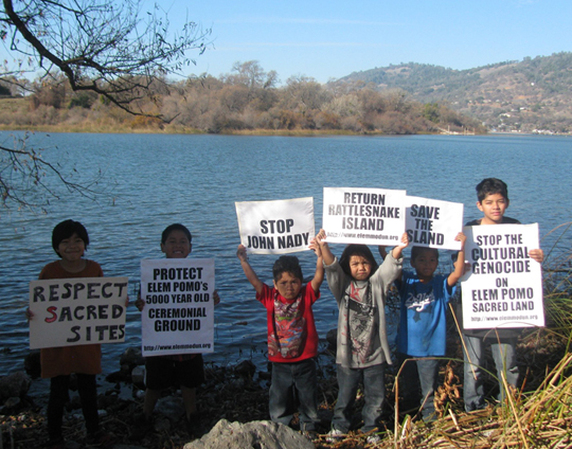
Despite historic injustices, the Pomo have become leaders in cultural revitalization and environmental defense. Language preservation programs, land rematriation initiatives, and the renewal of ceremonial practices have strengthened community identity. Pomo leadership in resisting extractive projects and restoring waterways—such as efforts to protect Clear Lake and sacred sites—has become a beacon for Indigenous-led ecological justice throughout the region. Their resilience and vision reflect an enduring legacy of stewardship and sovereignty.