
Last Updated on June 18, 2014
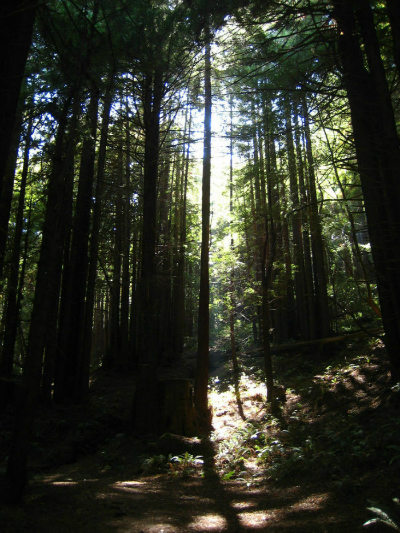
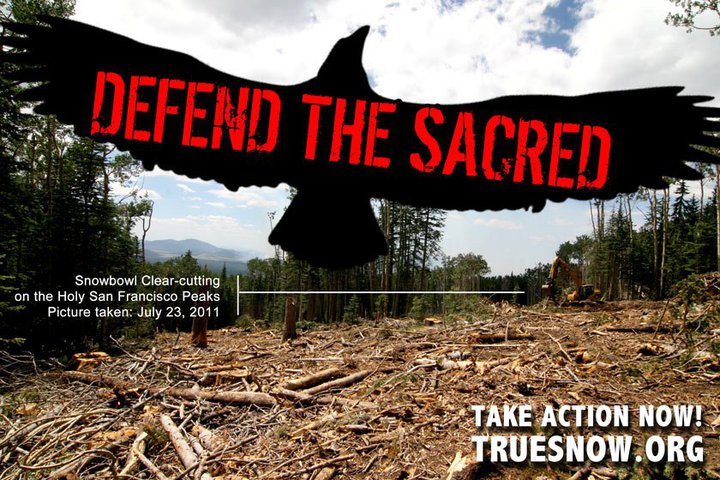
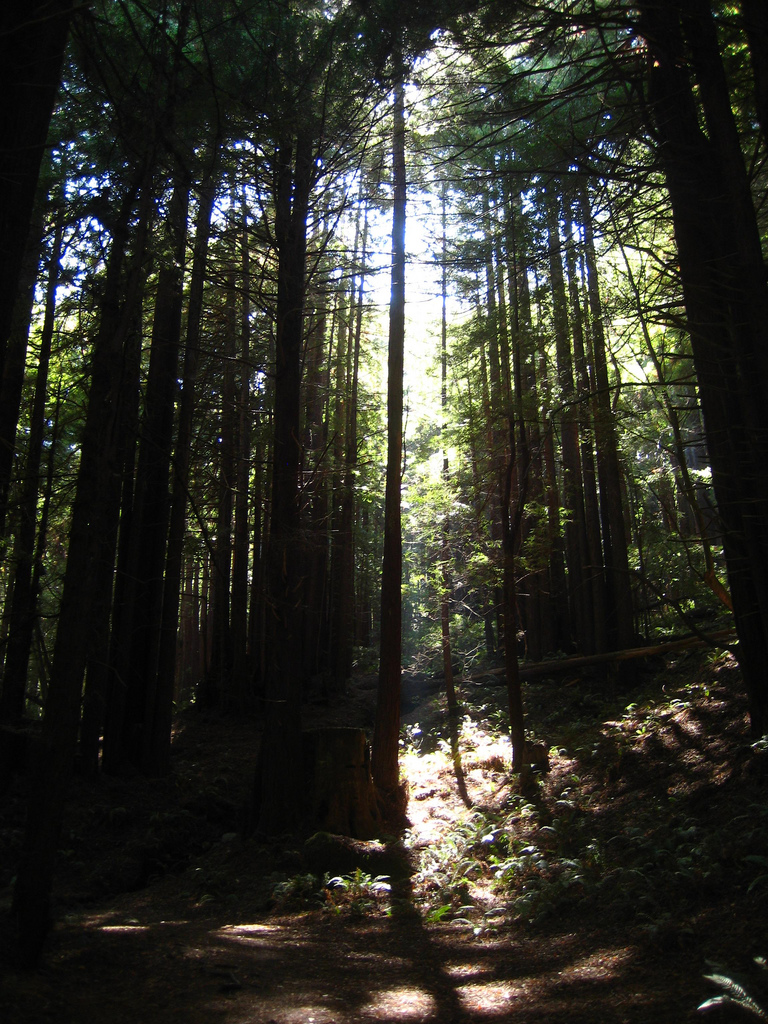
The world’s largest wine corporation, Spain’s Grupo Codorniu, is trying to get permission from the state of California to clear-cut more than 1,900 acres of redwood forest in Sonoma County for that most decadent of alcohols: red wine.
As noted in a new online petition, the proposed “land conversion” would erase the complex forest ecosystem; reduce local water quality; threaten the continued survival of the endangered coho salmon; and, like other large vineyards around the world, it would raise the region’s temperature.
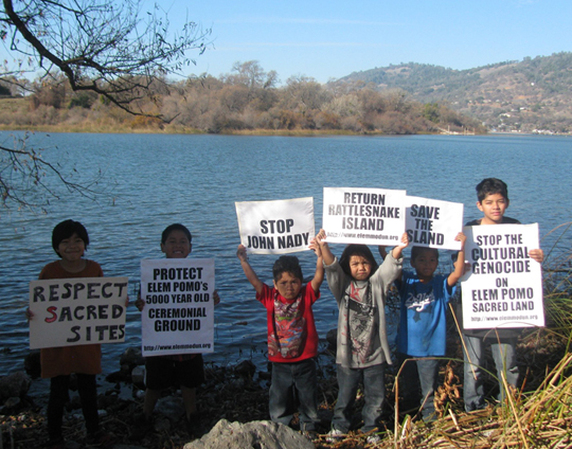
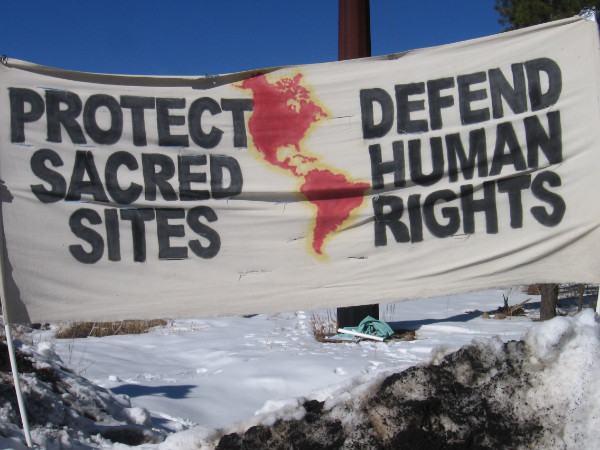
Among other environmental concerns, the conversion would severely impact the cultural and spiritual well-being of the Kashia Pomo, who regard the redwood forest as a sacred place that must be preserved.
Take Action Now! Sign the petition opposing the redwood forest destruction: http://www.change.org/petitions/stop-wineries-from-demolishing-ca-redwoods-native-americans
For updates and more information, visit www.gualalariver.org
In the article below, Violet Parrish Chappell and Vivian Parrish Wilder, two Kashia Pomo elders and scholars, describe the importance of the redwood forest and what it means to their people.
Article cross-posted from www.ncriverwatch.org
Where we used to live, no one can see anything now. It is time we open our mouths. Those vineyard people are interfering with our ancestors’ area.
Wherever our villages were, wherever we picked our food, those places are blessed places. When we had to live in two worlds, we had to get along with people we did not know. We had to live with white men who took the land away. We coped with it.
Mom taught us good things, how to get along with different races of people. She taught us how to get along in the world. She told us, “You are going to go out and educate others about us.” We don’t think that others will ever completely learn about the spiritual part of an Indian. That is deep. But we want to explain why it is important to Kashia Pomo.
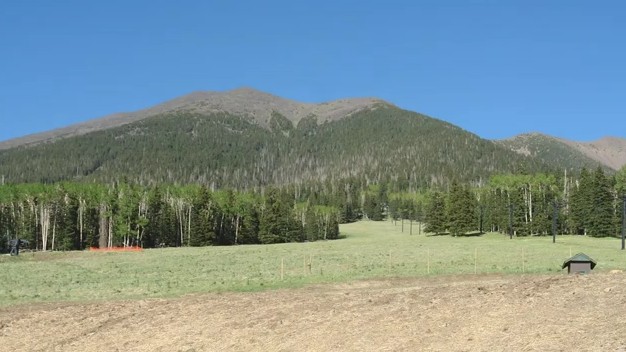
That patch over there — Artesa land in Annapolis — that is a blessed place for us. We went there as kids. We picked berries there with our mother. We picked berries for necklaces. There is another place over there where there is a lot of Manzanita, and that was really important to us. We made spoons from that and also awls to make baskets. These are the things we grew up with. We dedicated our trees not to be cut. The trees in the forest are blessed. The Redwoods give us good medicine from the sap that hardens. It was used for anemia. The young shoots are used for colds. Bark dolls are made from Redwood.
Everything out there is used for something.
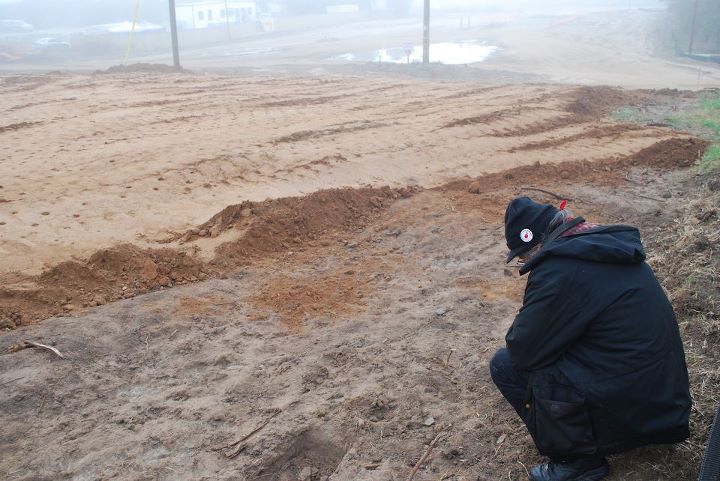
The reason we are against the disturbance in Annapolis is that place is alive. It is a dedicated area. It is a special area. If they do something wrong there, things are not going to go right. Who will believe us? We are speaking from the viewpoint of Kashia. We have to talk from the viewpoint of our spiritual leader, what we were taught. The non-Indian may not understand — there are things that we Indians can’t touch but can see. Good teachings are spiritual.
We are disturbed by all the things that are happening around us. We can’t go to some beaches to harvest food, we can’t pick huckleberries any place we want. We can’t find good sedge to make baskets because the best place was ruined by Lake Sonoma. We know that there is sedge on that place over there. Baskets were our cooking pans and used to store things like acorns. That is important for kids to learn. It would be a good place to teach the kids how to make baskets.
Religion was all our life. We’ll tell you why. There were no man made conveniences here. Everything was from the creation. That is why we take care of it. That is what the leader did, she taught us to take care of the food, the water. We took care of the trees. They will disturb the places where we prayed. The spirits are still there. We say, gee, now they are going to disturb Indian land, dig up the guts of people. They are coming into our religious life.
The idea that these sacred places could be fenced off is not good. We don’t go for that. You don’t have to dig it up. We know that whole area is a village site. All these places were occupied and used by our people. The whole place is one.
It was not so bad when the land was used for sheep grazing, but here they are going to flatten the land — land which would be better used for education, where our children and neighbors can learn about our ancestors and their way of life.
It is a blessing to pick food. It is a blessing to roam around. The creator wants us to take care of this place.
Violet Parrish Chappell and Vivian Parrish Wilder are elders and scholars of the Pomo Kashia band. They are daughters of Essie Parrish, the renowned healer, basket maker and Kashia Pomo leader.
Across the world right now, Indigenous peoples are facing a renewed assault on their lands, rights, and ways of life.
From extractive industries pushing deeper into ancestral territories, to governments rolling back hard-won protections,
the threat is global—and it is growing.
What makes this moment especially dangerous is how little attention it receives.
Stories like this are disappearing in real time. Mainstream media
barely covers it and the coverage is fragmented. The public is left without the context
needed to understand what is truly at stake.
That is exactly why IC Magazine exists..
For more than 20 years, IC has reported on Indigenous struggles worldwide — consistently, independently, and without compromise.
We don’t follow news cycles; we trace patterns. We don’t sensationalize; we provide context.
And when the world looks away, we stay focused.
But this work is increasingly difficult to sustain.
We refuse to lock our reporting behind a paywall. We don’t sell access through subscriptions.
And we don’t answer to advertisers. IC Magazine survives solely because readers like you choose to
support independent Indigenous journalism.
Please donate today if you can. Every contribution helps us to continue this crucial work.
Thank you,
John Ahni Schertow
Founder and Editor in Chief