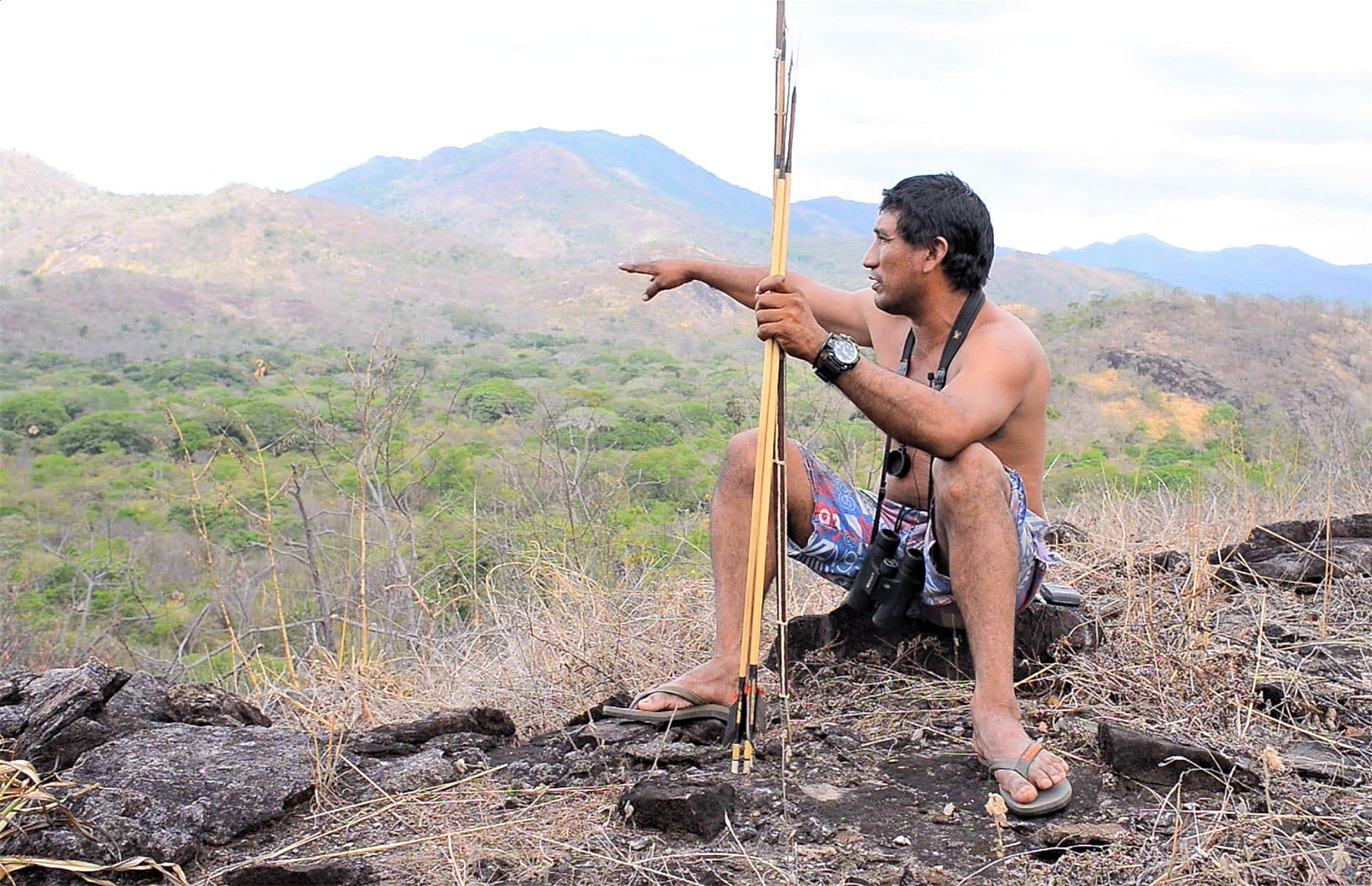
The Indigenous communities of the North Rupununi region in Guyana, including the Makushi and Wapishana, have inhabited the savannas and forests for generations. Their livelihoods are deeply intertwined with the land, relying on traditional practices such as fishing, hunting, and small-scale agriculture. These communities possess extensive ecological knowledge, which they utilize to sustainably manage their environment and preserve their cultural heritage.
Despite their deep-rooted connection to the land, these communities face significant challenges. Legal recognition of land rights remains a pressing issue, with many traditional territories lacking formal titles. This lack of recognition exposes them to external threats, including logging and mining activities that can lead to environmental degradation. Additionally, climate change poses risks to their traditional ways of life, affecting agriculture and access to natural resources.
In response to these challenges, the communities have initiated various efforts to preserve their culture and environment. Projects focusing on the documentation of traditional knowledge, such as participatory video initiatives, have been instrumental in educating younger generations and raising awareness. Collaborations with organizations have also led to the development of sustainable practices that align with their cultural values, showcasing their resilience and commitment to preserving their heritage for future generations.