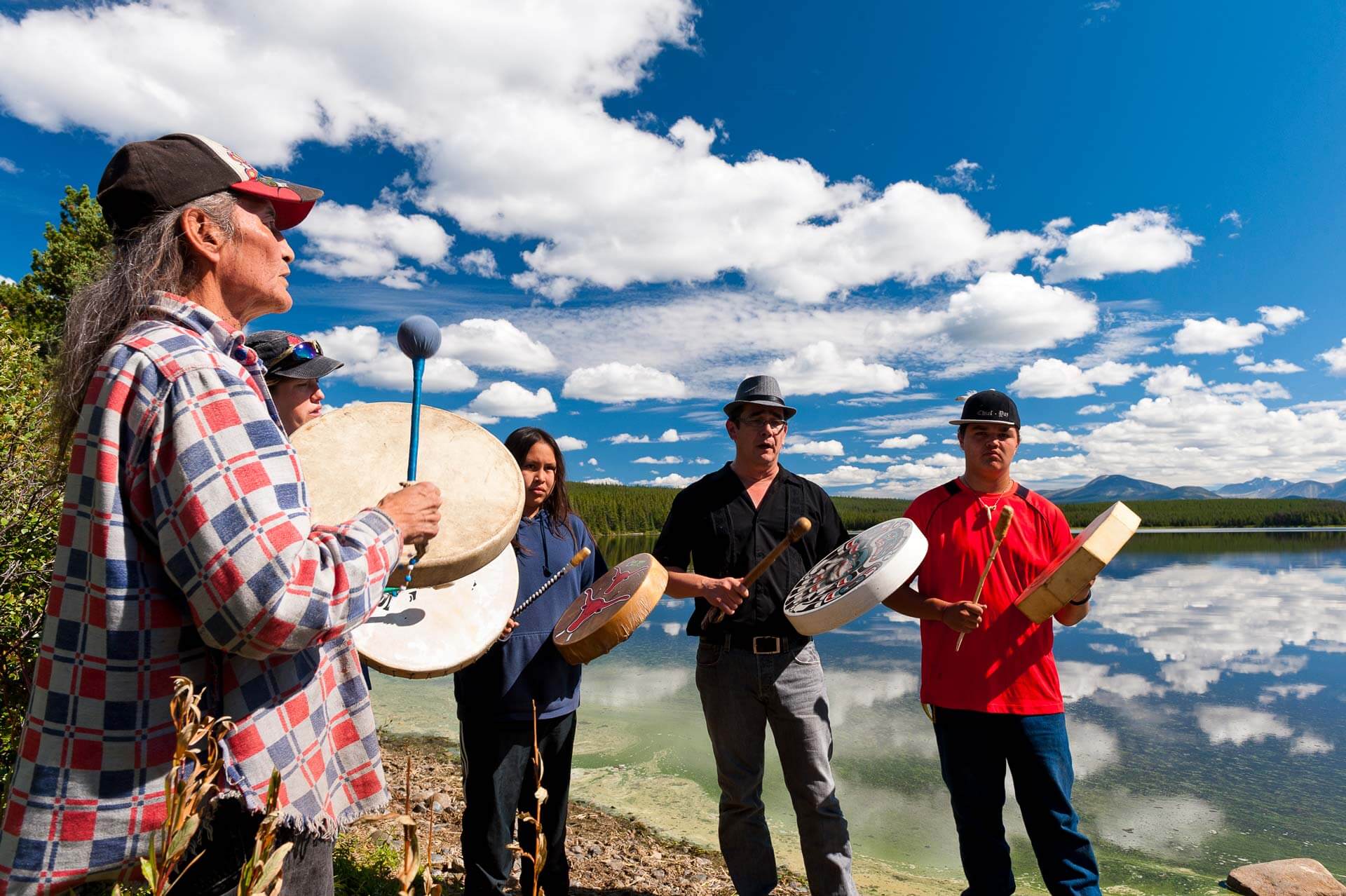
The Tsilhqot’in are an Indigenous nation whose homeland spans the interior plateau of what is now British Columbia. With deep connections to the land, rivers, and forests of the Chilcotin region, the Tsilhqot’in have sustained themselves through fishing, hunting, and gathering for countless generations. Their oral traditions, laws, and governance systems reflect a worldview rooted in balance, reciprocity, and respect for all living beings. The Tsilhqot’in language and ceremonial life continue to serve as anchors of identity, cultural pride, and continuity in the face of ongoing colonial pressures.
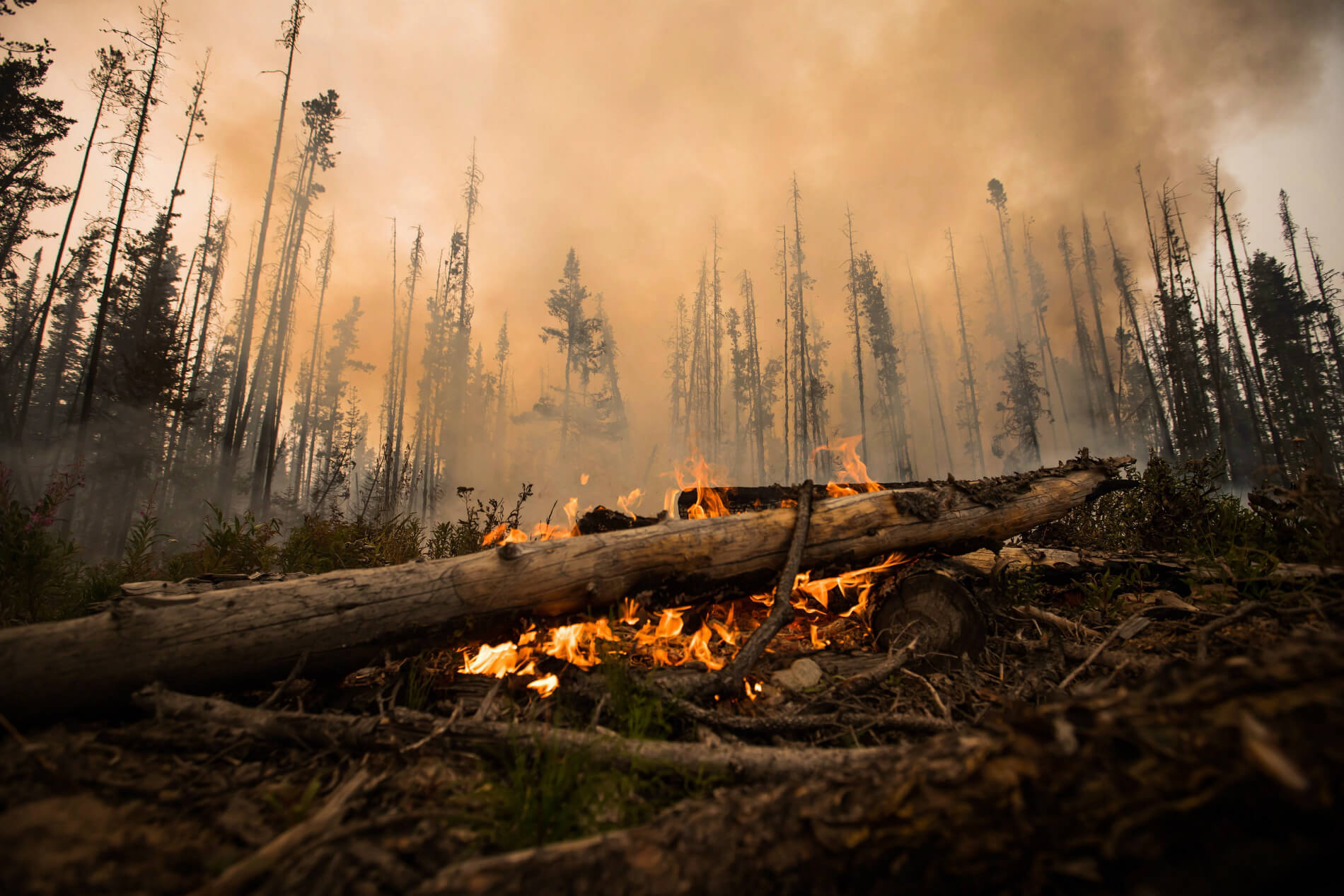
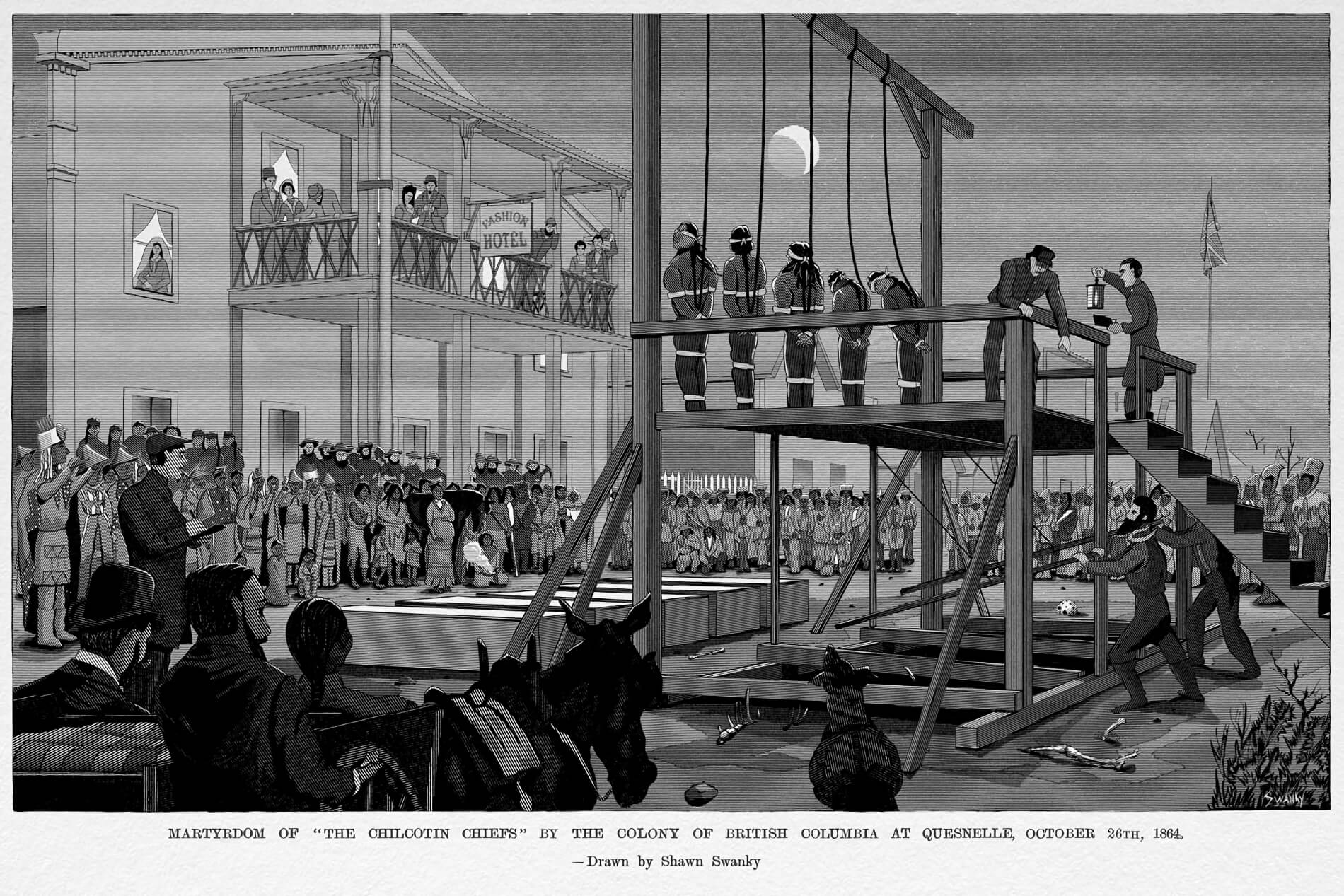
The Tsilhqot’in have faced decades of marginalization, including forced assimilation, environmental exploitation, and denial of land rights. Logging, mining, and industrial development have repeatedly threatened their territory, often without consent or benefit to the nation. One of the most significant challenges came in the form of legal battles to protect ancestral lands—fights that required extraordinary persistence and resilience. Generations were affected by the intergenerational trauma of residential schools, systemic discrimination, and political exclusion. Yet through sustained legal advocacy and grassroots resistance, the Tsilhqot’in have pushed back against these injustices with strength and clarity.
What stands out as profoundly inspiring is the Tsilhqot’in Nation’s landmark legal victory in 2014, when the Supreme Court of Canada recognized Aboriginal title to a significant portion of their territory—the first such ruling in Canadian history. This transformative decision affirmed what the Tsilhqot’in had always known: their enduring sovereignty over their homeland. Since then, they have advanced initiatives in governance, language revitalization, environmental stewardship, and economic development that reflect their values and vision. The Tsilhqot’in continue to lead by example, showing how Indigenous law, cultural strength, and political determination can reshape the future with dignity and purpose.