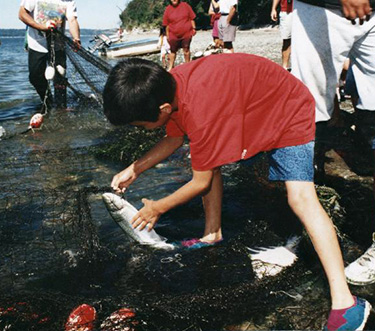
The Tulalip are a Coast Salish nation located along the shores of Puget Sound in what is now Washington State. Formed through the unification of several neighboring nations—including the Snohomish, Snoqualmie, Skykomish, and others—the Tulalip hold deep ancestral ties to the water, forest, and land. Their culture is rooted in fishing, canoe travel, spiritual ceremonies, and community governance passed down through generations. Despite centuries of colonization, the Tulalip have preserved their traditions, language, and relationships to the environment, sustaining a powerful cultural legacy that continues to thrive today.
The Tulalip have endured a long history of forced relocation, assimilation policies, and environmental degradation. The signing of the 1855 Treaty of Point Elliott confined them to a reservation and resulted in the loss of vast territories and traditional fishing rights. The boarding school era aimed to erase language and cultural practices, causing deep intergenerational trauma. More recently, urban expansion, industrial pollution, and legal battles over fishing and land use have continued to threaten their sovereignty. Nevertheless, the Tulalip have fought persistently in courts and communities to reclaim their rights, defend their waterways, and rebuild cultural strength.
What is profoundly inspiring about the Tulalip is their innovative approach to self-determination and cultural renewal. They have established powerful institutions—from tribal courts and health systems to schools that teach Coast Salish languages and traditions. The Tulalip Tribes have become national leaders in sustainable development, environmental stewardship, and cultural preservation. Through salmon restoration projects, youth leadership programs, and the revitalization of canoe journeys and ceremonies, the Tulalip demonstrate that tradition and progress are not opposing forces. Their story is one of powerful resurgence—where deep roots, visionary leadership, and cultural pride shape a thriving future.