Last Updated on April 7, 2025
On May 16, the Affiliated Tribes of Northwest Indians (ATNI) unanimously adopted a resolution entitled Oppose the Proposals for the Transportation and Export of Fossil Fuels in the Pacific Northwest. In this resolution, the 57 ATNI Tribes of Oregon, Idaho, Washington, southeast Alaska, Northern California, Nevada and Western Montana voiced, “unified opposition to investors such as Goldman Sachs, as well as the transporters and exporters of fossil fuel energy, who are proposing projects in the ancestral territories of ATNI Tribes.”
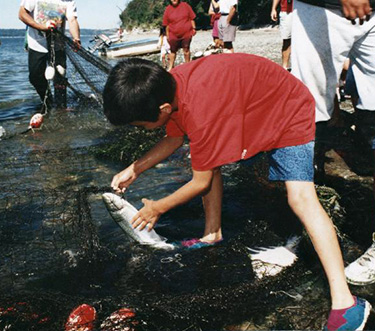
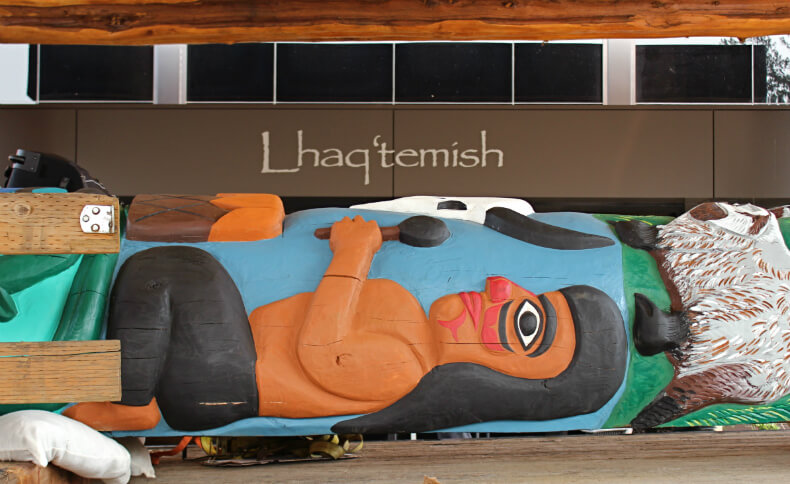
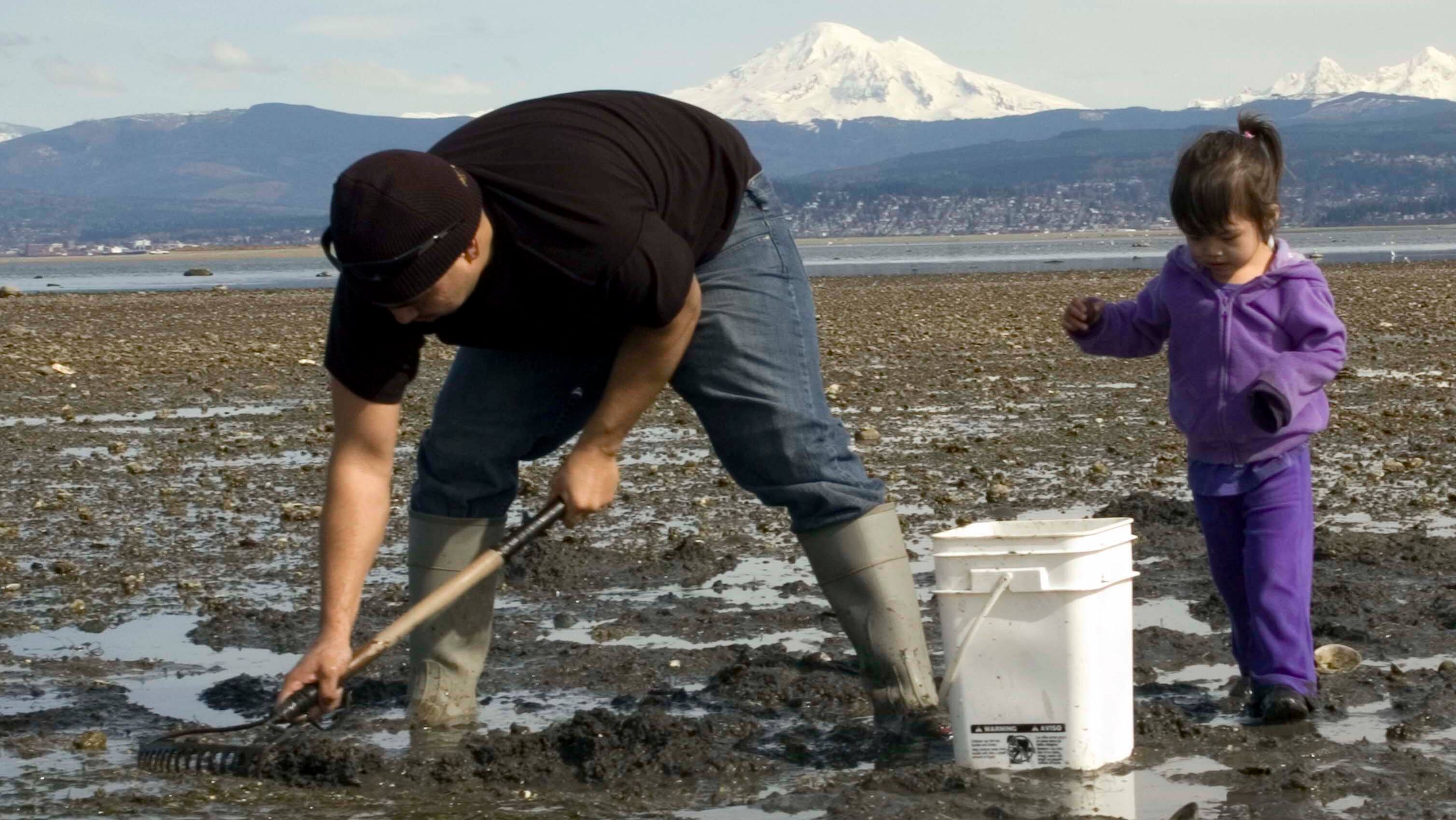
From the Powder River Basin of the Northern Cheyenne, through the Columbia River to the Salish Sea, ATNI Tribes believe it their sacred duty to protect their ancestral territories and natural resources. As such, the ATNI resolution specifically calls out support for protection of the Lummi Nation’s treaty-protected fishing economy and sacred places that would be affected by the proposed Gateway Pacific Terminal (GPT) at Cherry Point, Washington. According to Lummi Nation Councilman Jay Julius, the GPT coal export terminal — planned to displace 3,500-year-old Lummi burial grounds — would result in, “irreversible and irretrievable damage to our spiritual values.”
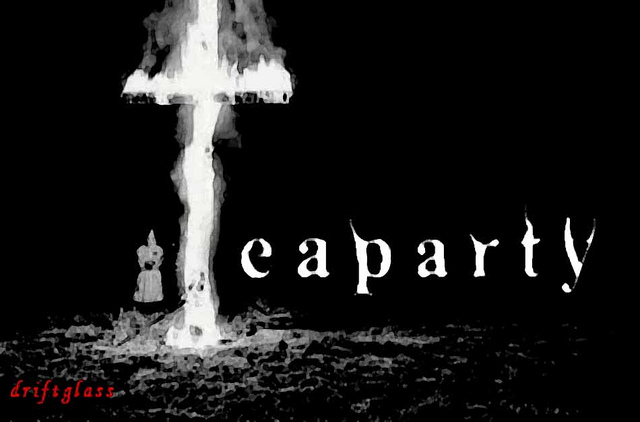
As I noted in my May 5 article White Power on the Salish Sea, the Wall Street/Tea Party convergence supporting GPT has emerged as a threat not only to endangered species like the Orca whale and Chinook salmon, but also to the continued existence of democratic functions of governance. As the Wall Street/AFL-CIO alliance attempts to stampede local and state authorities, the Anti-Indian Movement is gearing up for a multi-year, multi-pronged offensive to undermine environmental protection and tribal sovereignty. As Ken Toole of the Montana Human Rights Network remarked in his 2000 report Drumming Up Resentment, “in this last iteration, the elimination [of Indian people] is not by the murder of individuals, but by the termination of their structures of self-governance, the taking of their resources, and by defining them as part of ‘the rest of the country’ through forced assimilation.”
Download the resolution (right-click & save as)
Across the world right now, Indigenous peoples are facing a renewed assault on their lands, rights, and ways of life.
From extractive industries pushing deeper into ancestral territories, to governments rolling back hard-won protections,
the threat is global—and it is growing.
What makes this moment especially dangerous is how little attention it receives.
Stories like this are disappearing in real time. Mainstream media
barely covers it and the coverage is fragmented. The public is left without the context
needed to understand what is truly at stake.
That is exactly why IC Magazine exists..
For more than 20 years, IC has reported on Indigenous struggles worldwide — consistently, independently, and without compromise.
We don’t follow news cycles; we trace patterns. We don’t sensationalize; we provide context.
And when the world looks away, we stay focused.
But this work is increasingly difficult to sustain.
We refuse to lock our reporting behind a paywall. We don’t sell access through subscriptions.
And we don’t answer to advertisers. IC Magazine survives solely because readers like you choose to
support independent Indigenous journalism.
Please donate today if you can. Every contribution helps us to continue this crucial work.
Thank you,
John Ahni Schertow
Founder and Editor in Chief