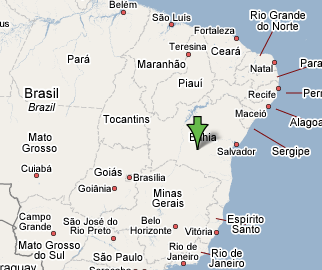
The Tupinikim are an Indigenous nation with ancestral roots along Brazil’s southeastern coastline, particularly in the state of Espírito Santo. Known for their deep knowledge of the Atlantic Forest and their spiritual ties to land and sea, the Tupinikim have maintained cultural practices that emphasize communal life, agriculture, and reverence for the natural world. Their identity is closely linked to a long lineage of resistance, beginning with early encounters during the colonial invasion of Brazil. Language revival, traditional craftwork, and ceremonial gatherings remain vital to sustaining their heritage and affirming their connection to ancestral territory.
The Tupinikim face persistent challenges, including historical displacement, deforestation, and the expansion of agribusiness—particularly eucalyptus plantations used for pulp production. Much of their land has been exploited or claimed by powerful corporate interests, despite constitutional rights that affirm Indigenous territorial claims. This has led to environmental degradation, cultural erosion, and economic hardship. In addition, delayed legal recognition of their lands and limited access to quality public services have compounded intergenerational struggles. Nonetheless, the Tupinikim continue to organize through legal channels and direct action, demanding justice and the demarcation of lands that have been theirs for centuries.
What is truly inspiring about the Tupinikim is their unwavering resolve to reclaim and restore their territory and culture. Through land reoccupation movements and sustainable reforestation initiatives, they are breathing life back into degraded ecosystems and traditional lifeways. Elders and youth collaborate in the transmission of language and oral histories, while community-led schools incorporate Tupinikim worldviews into education. Their efforts to blend tradition with innovation—such as agroecological farming and artisanal cooperatives—