The Wampanoag are an Indigenous nation whose ancestral lands span present-day Massachusetts, Rhode Island, and the islands of Martha’s Vineyard and Nantucket. Known as the “People of the First Light,” the Wampanoag have lived along the Atlantic coast for thousands of years, sustained by fishing, agriculture, and a profound connection to the land and sea. Their traditions, including storytelling, wampum belt-making, and seasonal ceremonies, continue to reflect a worldview centered on balance, kinship, and spiritual responsibility. Despite centuries of colonization, the Wampanoag maintain a vibrant cultural identity rooted in deep historical and ecological knowledge.
Since the 17th century, the Wampanoag have endured land theft, forced displacement, and the devastating effects of colonial violence. Treaties were broken, sacred lands taken, and traditional governance undermined. In modern times, legal battles over tribal recognition, land sovereignty, and federal rights continue to pose major challenges. The suppression of the Wampanoag language and traditional practices through missionary efforts and state policies has left lasting scars. Economic marginalization and limited access to services in some communities persist, yet efforts to reclaim identity and rights have never ceased.
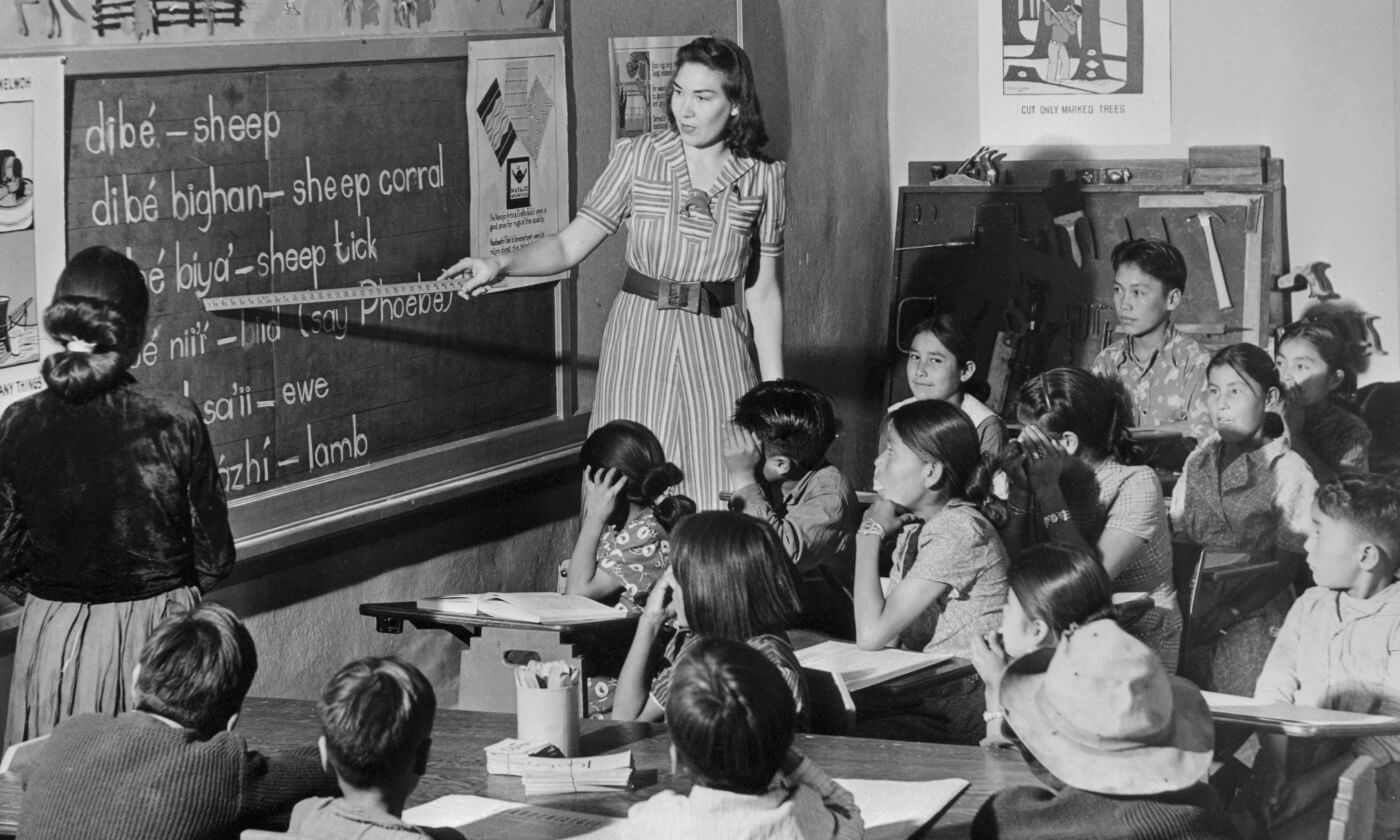
What is truly inspiring about the Wampanoag is their powerful cultural resurgence and unwavering fight for sovereignty. The Wôpanâak Language Reclamation Project has successfully brought the Wampanoag language back into daily use after generations of dormancy, becoming a symbol of resilience and healing. Traditional governance is being revitalized, and ceremonies are returning to sacred sites. Through activism, education, and storytelling, Wampanoag leaders and youth are challenging colonial narratives and asserting their rightful place in history. Their ongoing journey affirms that identity, once nearly erased, can rise with renewed strength and illuminate a path toward justice and cultural restoration.