Last Updated on April 10, 2025
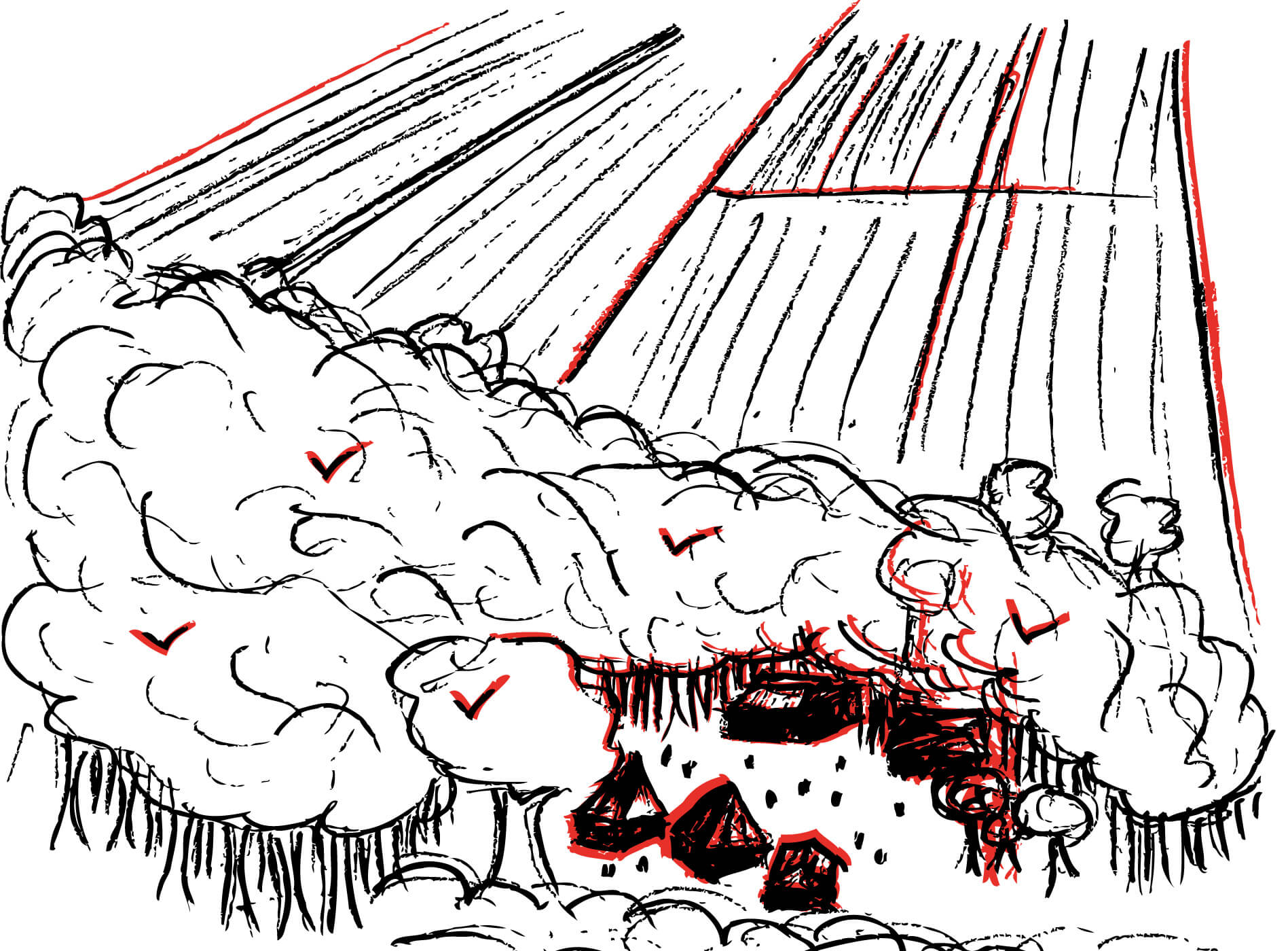
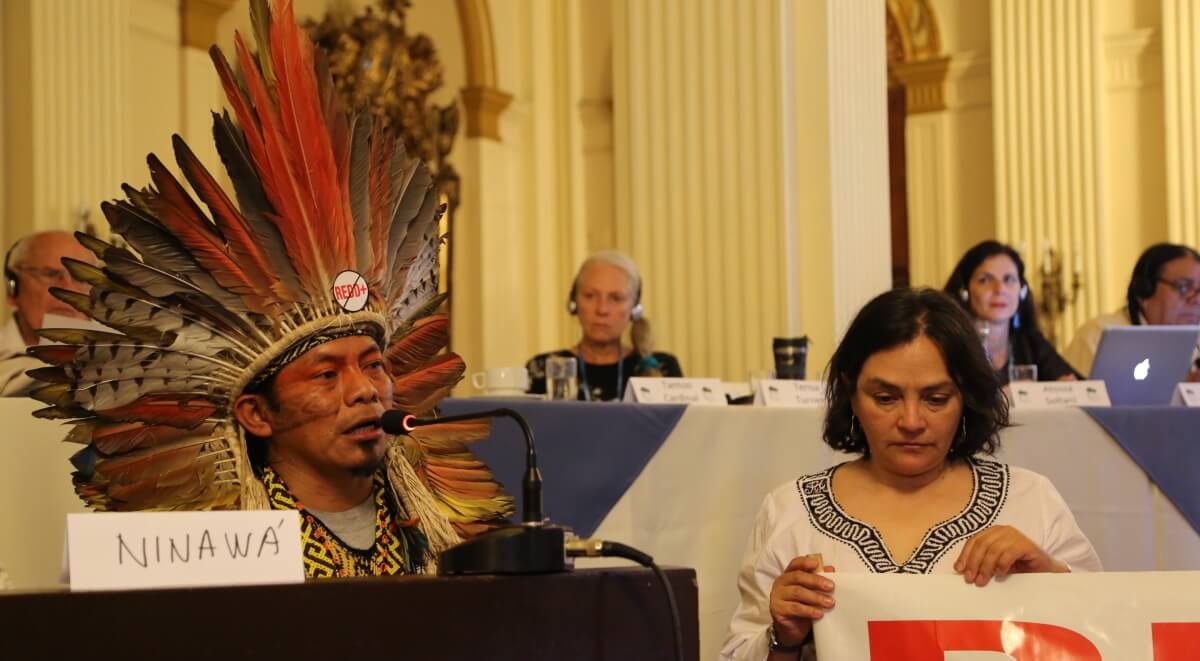
Twenty years ago, market propaganda promoted what Wall Street called Free Market environmentalism. As a capitalist philosophy, it laid the basis for shell games like the UN Millenium Development Goals and pyramid schemes like the REDD carbon market trading programs. Today, neoliberals are promoting neoenvironmentalism, essentially a recycled Free Market environmentalism imbued with a harsh criticism of collective cultural values and indigenous spiritual traditions. In his essay Dark Ecology, Paul Kingsnorth reflects on neoenvironmentalism and neoenvironmental propaganda aimed at romanticizing the future through its pseudo optimism and promotion of green technology populism. Rejecting the false hope of market hype, Kingsworth recommends ways of weathering socioeconomic and ecosystem collapse that keep one’s values and psyches intact.
Across the world right now, Indigenous peoples are facing a renewed assault on their lands, rights, and ways of life.
From extractive industries pushing deeper into ancestral territories, to governments rolling back hard-won protections,
the threat is global—and it is growing.
What makes this moment especially dangerous is how little attention it receives.
Stories like this are disappearing in real time. Mainstream media
barely covers it and the coverage is fragmented. The public is left without the context
needed to understand what is truly at stake.
That is exactly why IC Magazine exists..
For more than 20 years, IC has reported on Indigenous struggles worldwide — consistently, independently, and without compromise.
We don’t follow news cycles; we trace patterns. We don’t sensationalize; we provide context.
And when the world looks away, we stay focused.
But this work is increasingly difficult to sustain.
We refuse to lock our reporting behind a paywall. We don’t sell access through subscriptions.
And we don’t answer to advertisers. IC Magazine survives solely because readers like you choose to
support independent Indigenous journalism.
Please donate today if you can. Every contribution helps us to continue this crucial work.
Thank you,
John Ahni Schertow
Founder and Editor in Chief