Last Updated on December 10, 2013
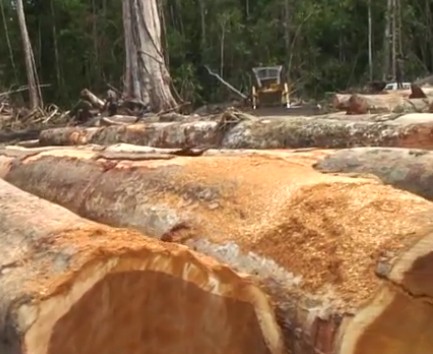
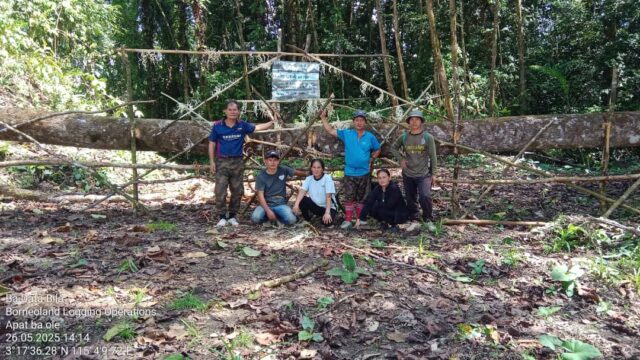
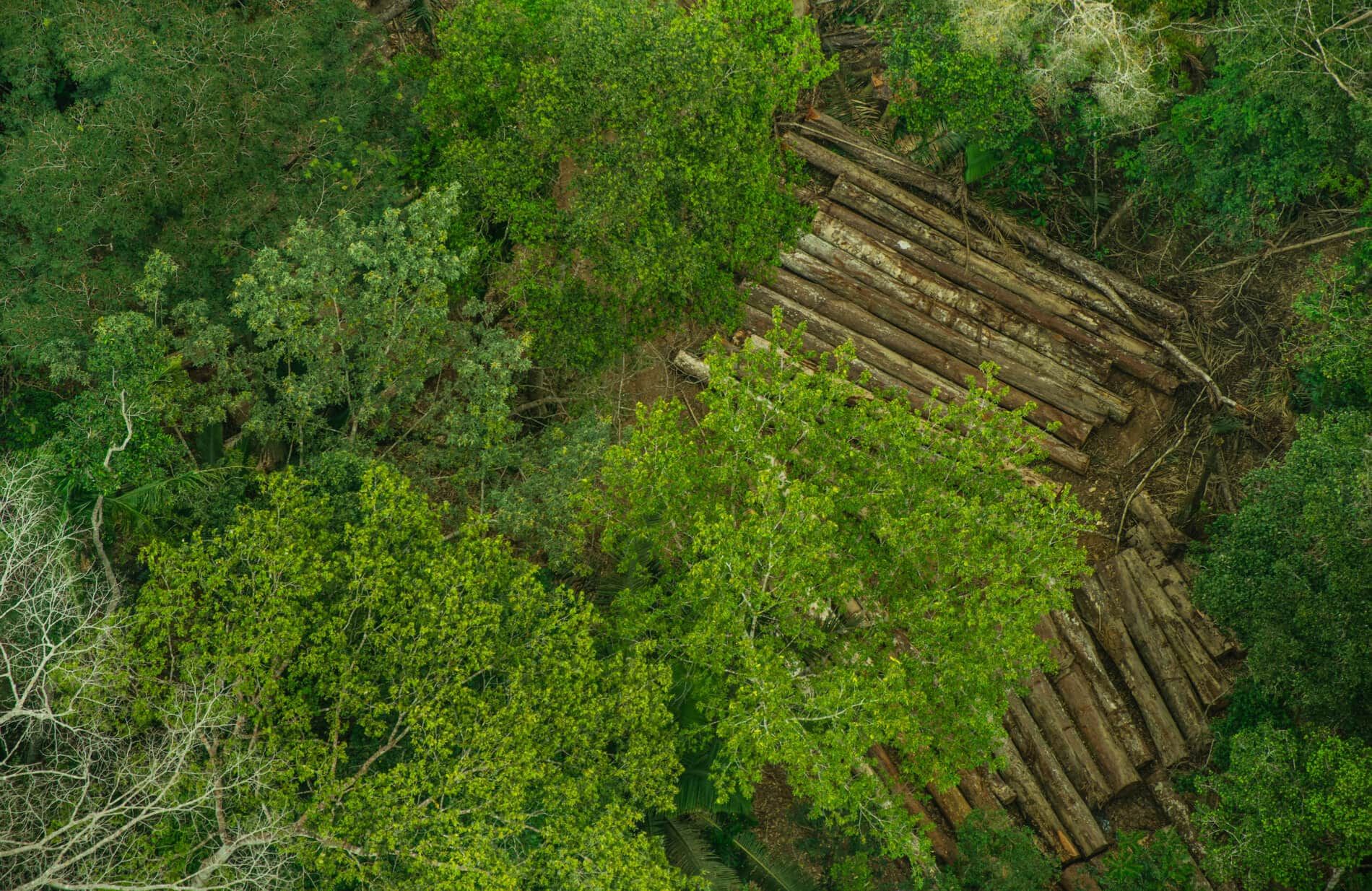
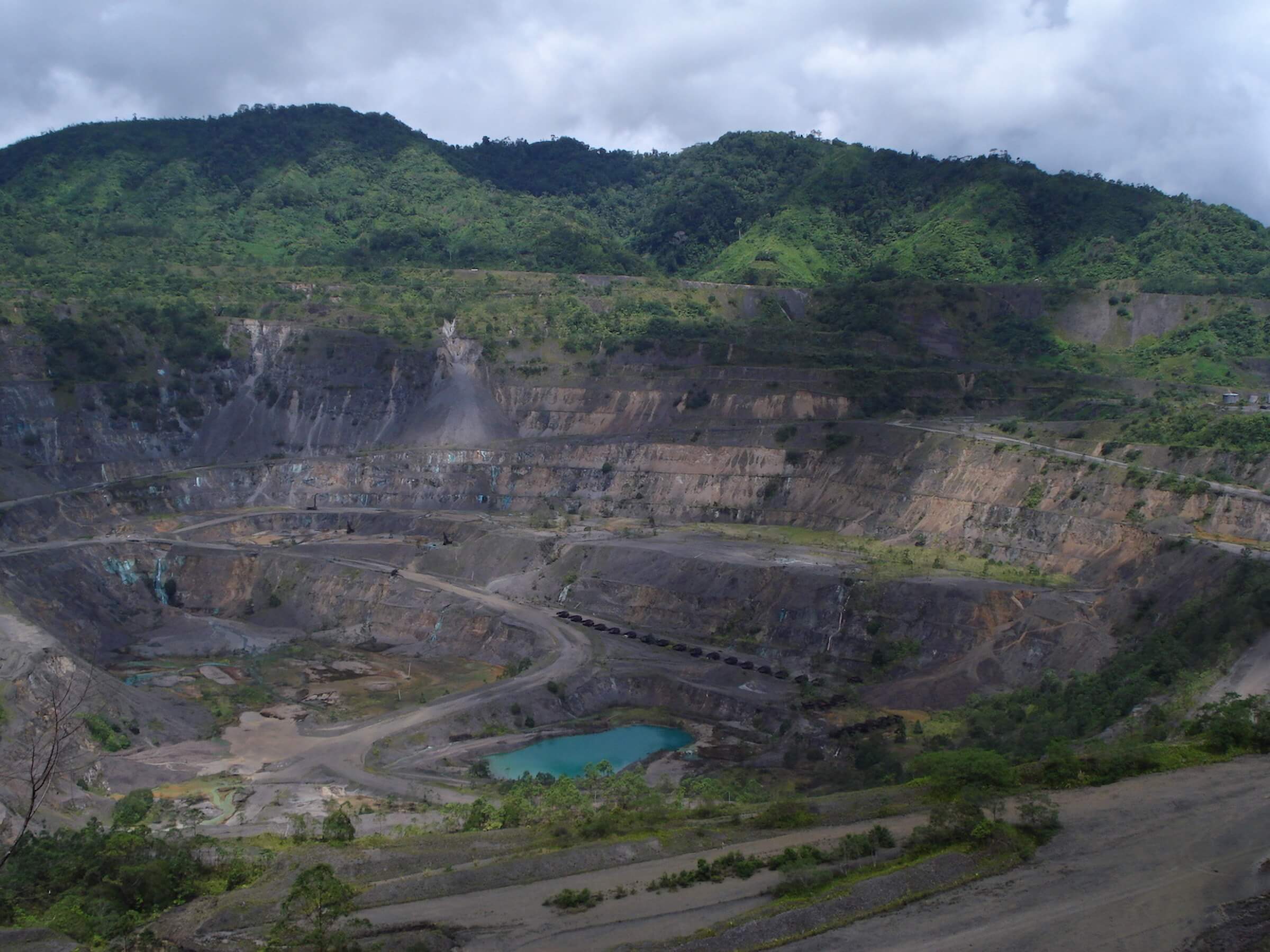
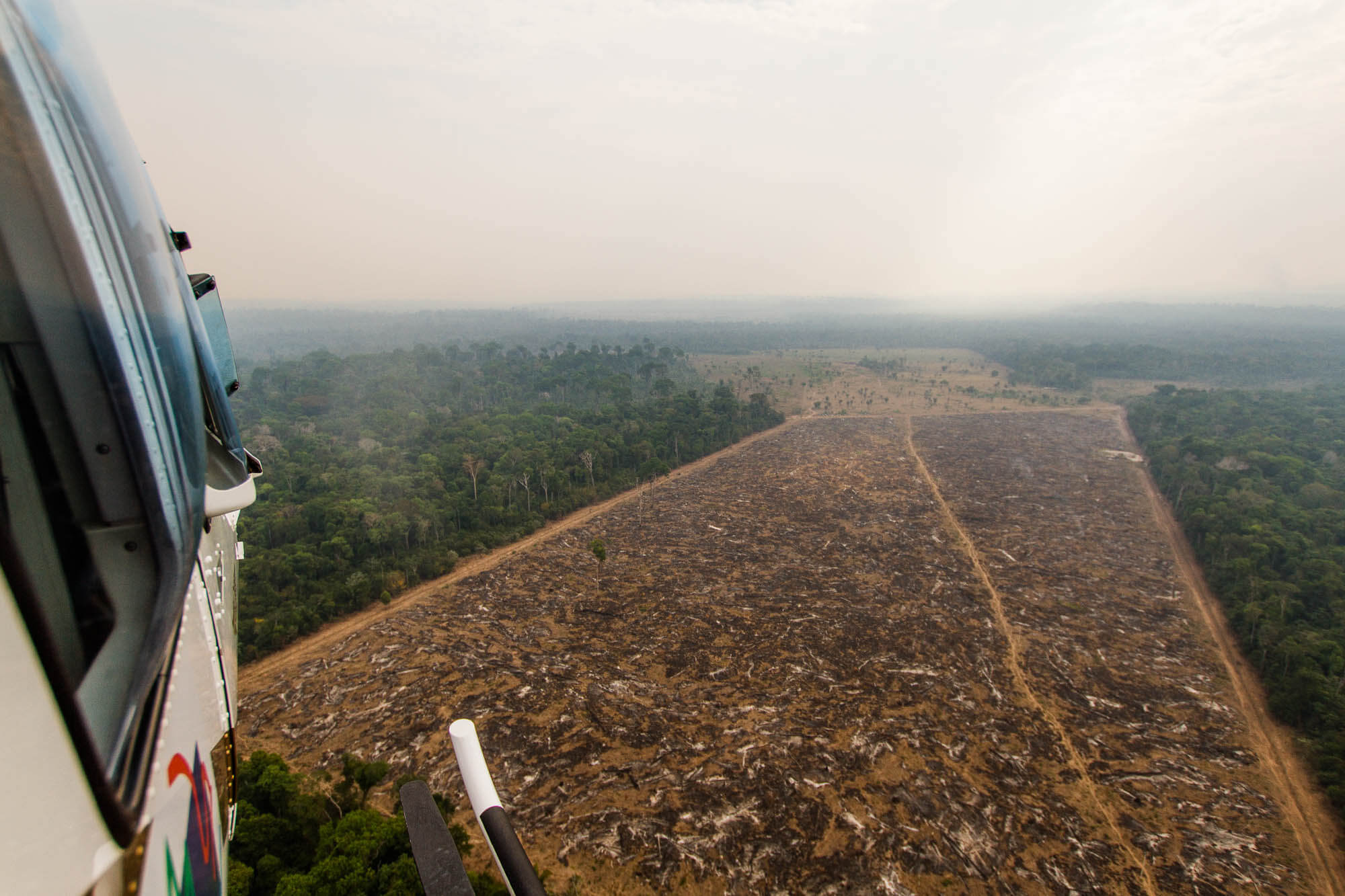
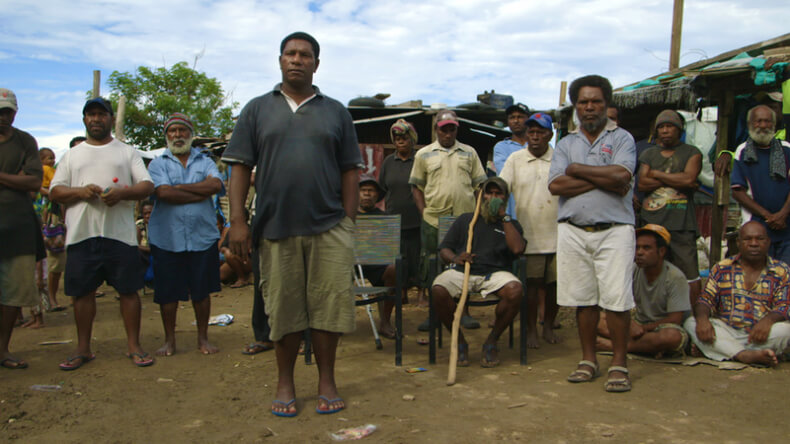
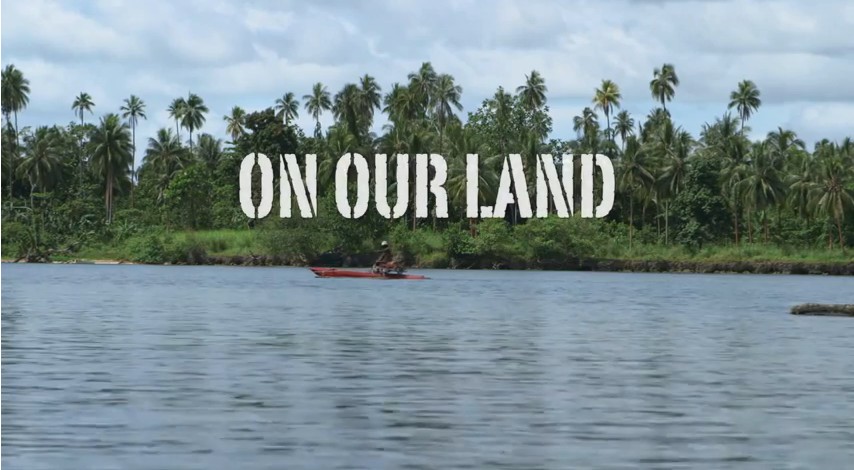
On Our Land chronicles the experiences of rural communities in Papua New Guinea–giving a voice to those who are losing their land and natural resources to illegal logging operations. The film exposes the failure of current development strategies and highlights community and local NGO struggles to take back what is rightfully theirs.
According to Olivier De Schutter, UN Special Rapporteur on the Right to Food, “Fluent and fearless . . . On Our Land uncovers an important, underreported story of human and environmental devastation.”
Stefano Liberti, author of the best-selling Land Grabbing: Journeys into the New Colonialism says, “A shocking documentary that discloses the untold story of a whole country sold out to corporate interests. The powerful photography and the interviews with the people concerned give a compelling account on how a wealthy country is giving up its resources to a bunch of foreign companies just for the benefit of local corrupt elites.”
Learn more at www.OnOurLandFilm.com
Across the world right now, Indigenous peoples are facing a renewed assault on their lands, rights, and ways of life.
From extractive industries pushing deeper into ancestral territories, to governments rolling back hard-won protections,
the threat is global—and it is growing.
What makes this moment especially dangerous is how little attention it receives.
Stories like this are disappearing in real time. Mainstream media
barely covers it and the coverage is fragmented. The public is left without the context
needed to understand what is truly at stake.
That is exactly why IC Magazine exists..
For more than 20 years, IC has reported on Indigenous struggles worldwide — consistently, independently, and without compromise.
We don’t follow news cycles; we trace patterns. We don’t sensationalize; we provide context.
And when the world looks away, we stay focused.
But this work is increasingly difficult to sustain.
We refuse to lock our reporting behind a paywall. We don’t sell access through subscriptions.
And we don’t answer to advertisers. IC Magazine survives solely because readers like you choose to
support independent Indigenous journalism.
Please donate today if you can. Every contribution helps us to continue this crucial work.
Thank you,
John Ahni Schertow
Founder and Editor in Chief