Last Updated on June 4, 2025
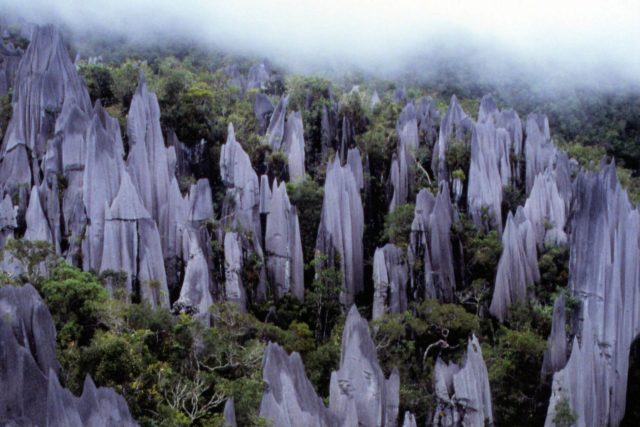
Logging in one of Sarawak’s protected forest areas is sparking resistance from several Indigenous Penan communities.
The timber company involved—Borneoland Timber Resources—is extracting around 4,000 tonnes of wood each month from the Upper Baram Forest Area, without public oversight or environmental safeguards.
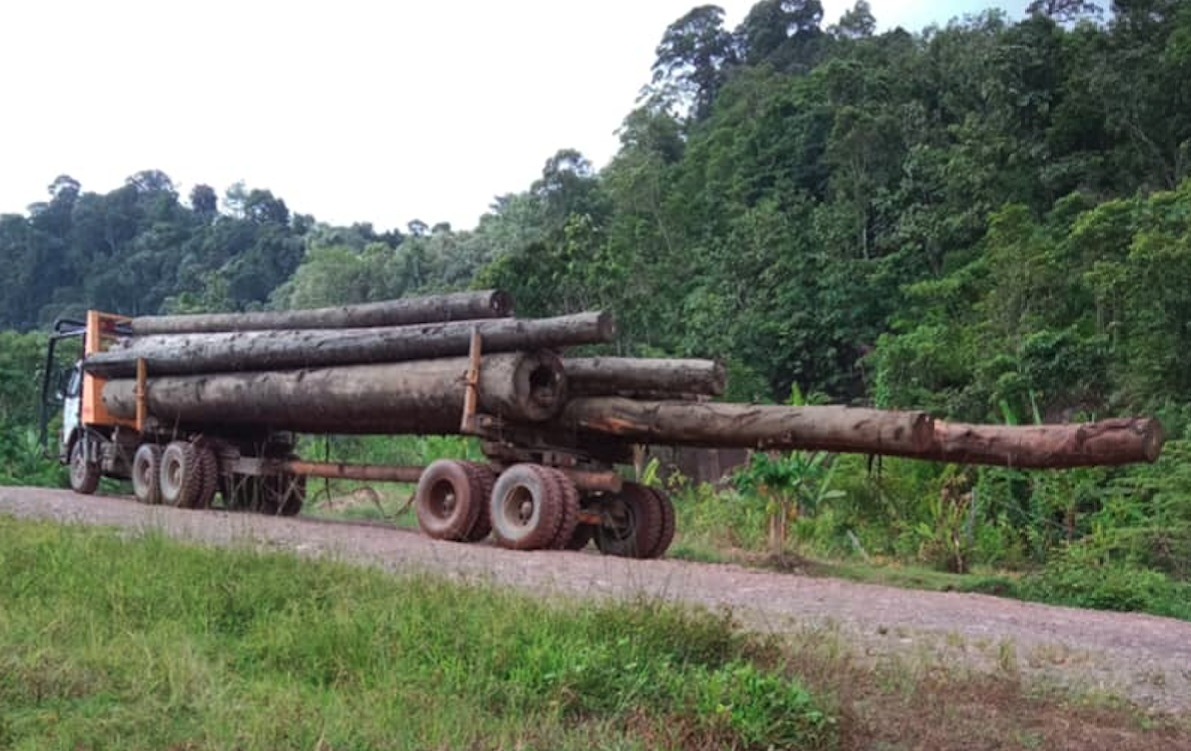
April 14, 2025: 4000 tonnes of timber per month are being extracted from Ba Data Bila
Penan villagers from Ba Olé, Long Benali, and Ba Pengaran Kelian have responded by setting up road blockades to stop the flow of logging trucks.
While some blockades have been forcibly dismantled by timber workers, others remain in place.
Indigenous community’s blockade against logging operations in Ba Olé, Sarawak’s Upper Baram region
The dispute centers on a timber concession that was awarded to Borneoland in 2024.
That concession gave the company license to 170,000-hectares—an area about the size of Delaware.
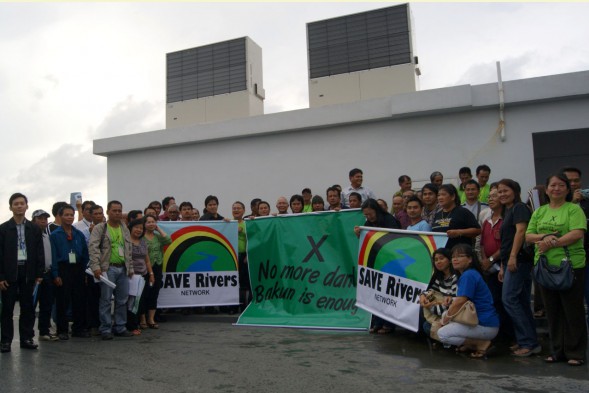
According to a joint statement by Keruan, SAVE Rivers, Bruno Manser Fonds and The Borneo Project, the company extracted an estimated 25 metric tons of timber in April alone. That’s roughly MYR 9 million (USD 2.1 million) worth of wood in one month.
However, the company is currently working inside a designated protected forest.
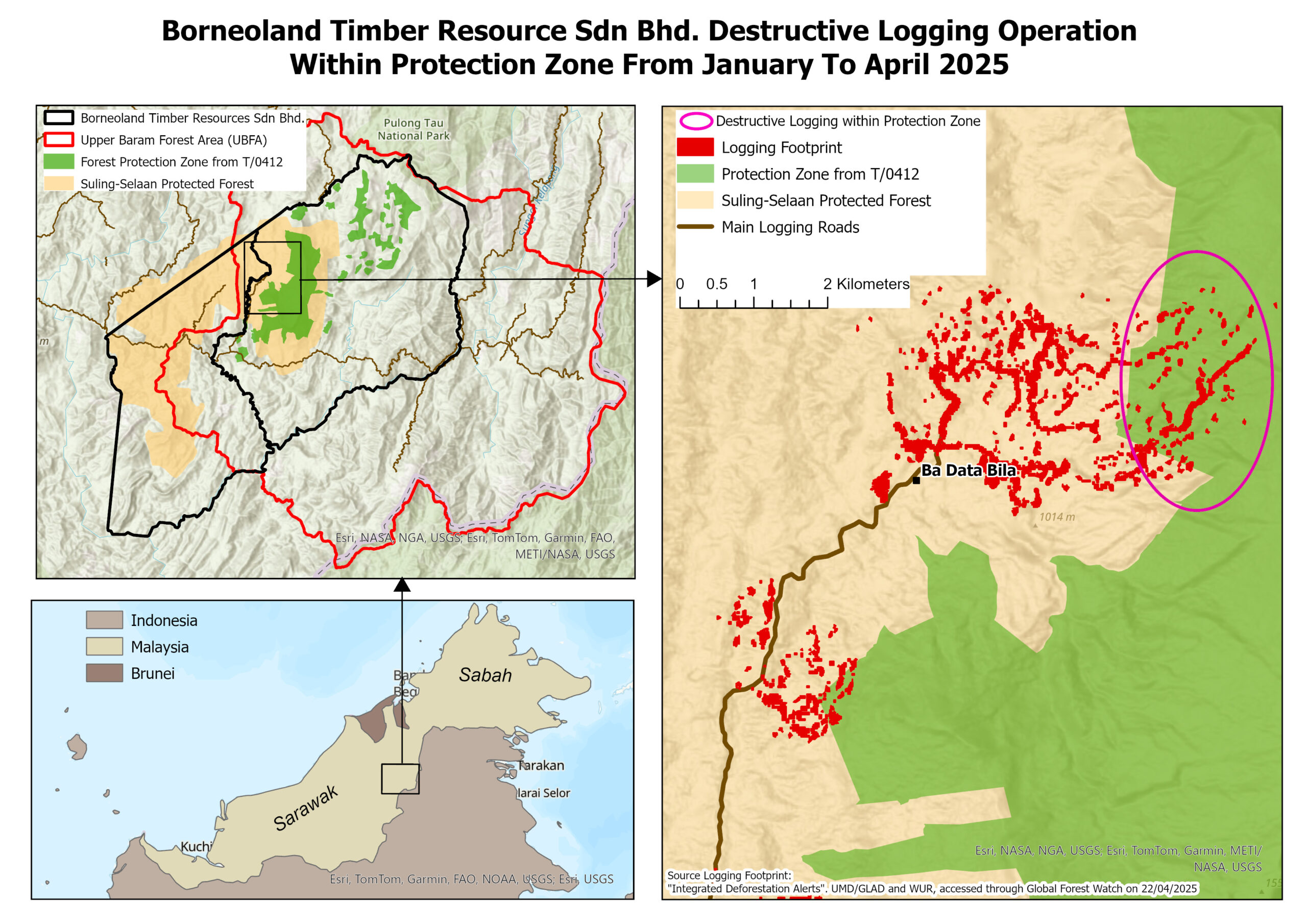
Destructive Logging Operations of Borneoland within Protected Forest, 2025
The area was previously part of a sustainability initiative that was backed by the International Tropical Timber Organization (ITTO), but this project ended last year after Sarawak authorities pulled out of the project without warning.
So far, the company has no certification and has failed to release any public reports on its environmental or social impact.
The Sarawak government doesn’t appear to be taking any action to enforce the protected status of the precious forest area, leaving the Penan to take matters into their own hands.
Earlier in 2025, eleven Penan leaders also filed for a judicial review in the High Court, challenging the logging license that was issued to Borneoland. The case is ongoing.
Across the world right now, Indigenous peoples are facing a renewed assault on their lands, rights, and ways of life.
From extractive industries pushing deeper into ancestral territories, to governments rolling back hard-won protections,
the threat is global—and it is growing.
What makes this moment especially dangerous is how little attention it receives.
Stories like this are disappearing in real time. Mainstream media
barely covers it and the coverage is fragmented. The public is left without the context
needed to understand what is truly at stake.
That is exactly why IC Magazine exists..
For more than 20 years, IC has reported on Indigenous struggles worldwide — consistently, independently, and without compromise.
We don’t follow news cycles; we trace patterns. We don’t sensationalize; we provide context.
And when the world looks away, we stay focused.
But this work is increasingly difficult to sustain.
We refuse to lock our reporting behind a paywall. We don’t sell access through subscriptions.
And we don’t answer to advertisers. IC Magazine survives solely because readers like you choose to
support independent Indigenous journalism.
Please donate today if you can. Every contribution helps us to continue this crucial work.
Thank you,
John Ahni Schertow
Founder and Editor in Chief