
Last Updated on June 5, 2026
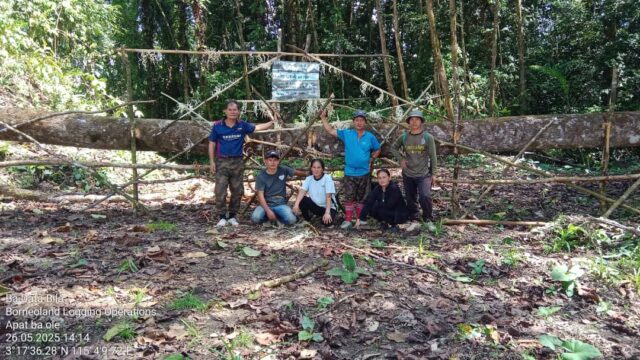
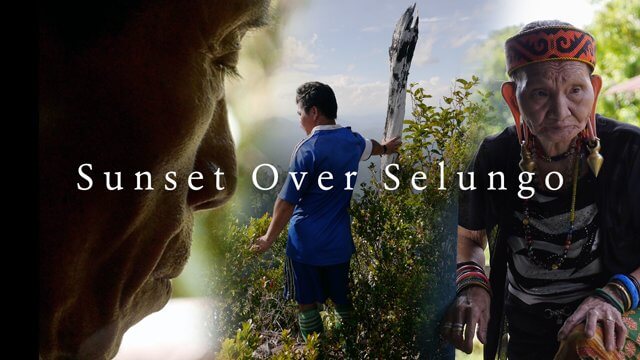
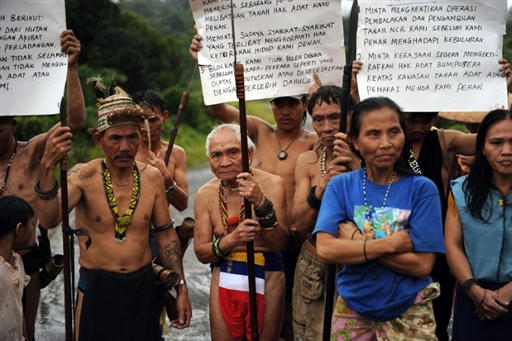
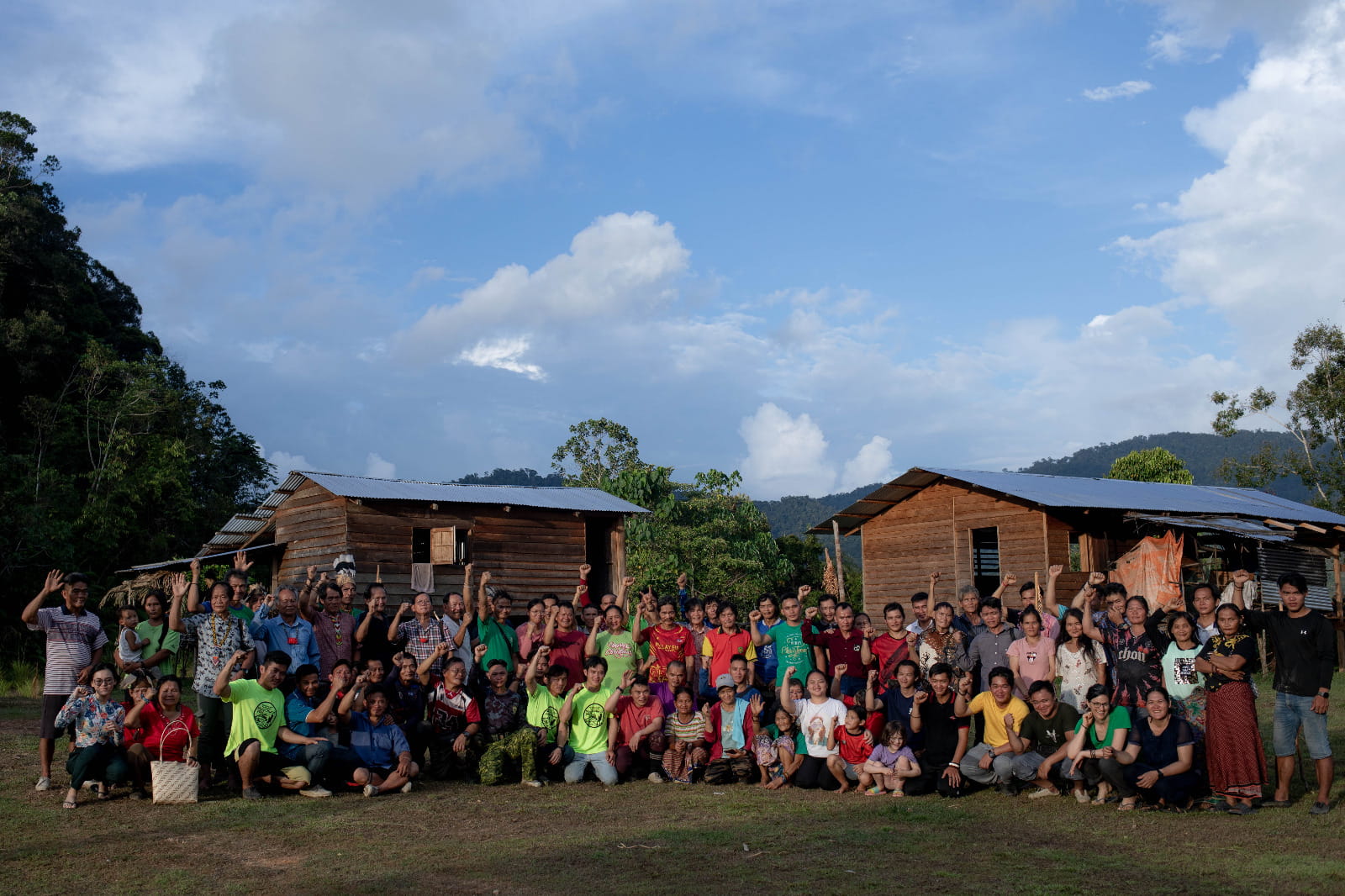
Twenty-two Penan communities in Sarawak, Malaysia, are urging the state government to halt logging in the Magoh and Limbang regions, following the expiration of a major forest certification.
The certification for the Ravenscourt Forest Management Unit (FMU T/0294), one of the largest logging concessions in Magoh, expired on 3 June 2026, opening a rare opportunity to protect the area’s forests. In a letter to the Premier of Sarawak, the communities call for the certification not to be renewed and for official support for community-led conservation. Ravenscourt is a subsidiary of Samling, one of Sarawak’s largest timber conglomerates.
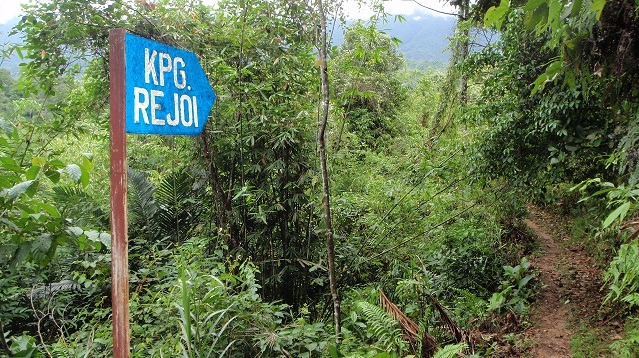
The Ravenscourt/Samling logging concession in the Limbang/North Magoh impacts villages including Long Gita, Ba Nyakit, Ba Peresek, and Long Tevenga, as well as the surrounding Batu Lawi National Park.
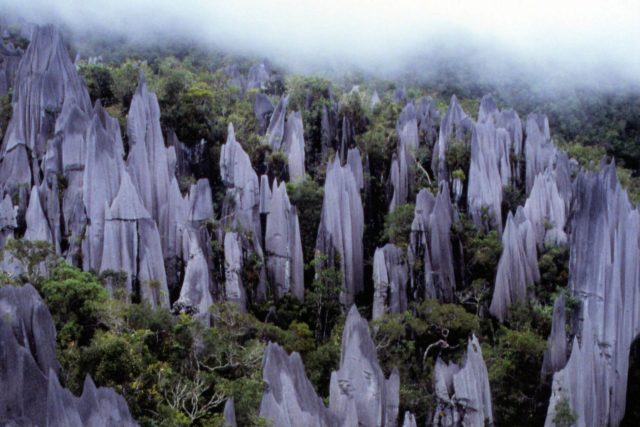
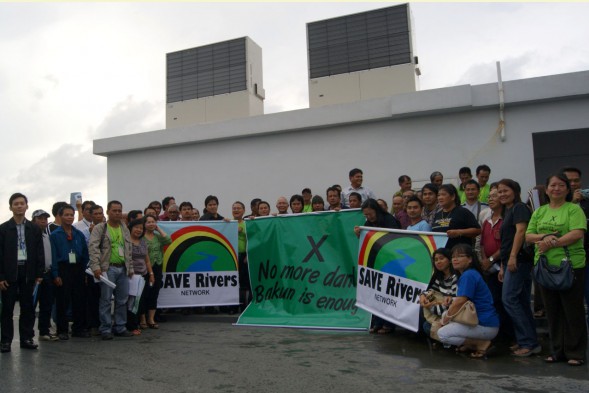
The affected area forms a critical wildlife corridor between Mulu and Pulong Tau National Parks, making it a key zone for biodiversity conservation. “The communities have consistently defended their forests through peaceful blockades,” said Komeok Joe, director of the Penan organization Keruan. “With the concession now expired, there is a real opportunity to stop logging and secure long-term protection for one of Sarawak’s most important forest landscapes.”
In August 2024, Penan communities in the Magoh region signed a declaration proposing a community-managed conservation area. Their plan includes protected core zones, sustainable livelihood options, and improved access to essential services.
The communities emphasize that protecting the Magoh forests is crucial not only for their way of life but also for Sarawak’s environmental future and global rainforest conservation efforts.
Across the world right now, Indigenous peoples are facing a renewed assault on their lands, rights, and ways of life.
From extractive industries pushing deeper into ancestral territories, to governments rolling back hard-won protections,
the threat is global—and it is growing.
What makes this moment especially dangerous is how little attention it receives.
Stories like this are disappearing in real time. Mainstream media
barely covers it and the coverage is fragmented. The public is left without the context
needed to understand what is truly at stake.
That is exactly why IC Magazine exists..
For more than 20 years, IC has reported on Indigenous struggles worldwide — consistently, independently, and without compromise.
We don’t follow news cycles; we trace patterns. We don’t sensationalize; we provide context.
And when the world looks away, we stay focused.
But this work is increasingly difficult to sustain.
We refuse to lock our reporting behind a paywall. We don’t sell access through subscriptions.
And we don’t answer to advertisers. IC Magazine survives solely because readers like you choose to
support independent Indigenous journalism.
Please donate today if you can. Every contribution helps us to continue this crucial work.
Thank you,
John Ahni Schertow
Founder and Editor in Chief