Last Updated on April 10, 2025
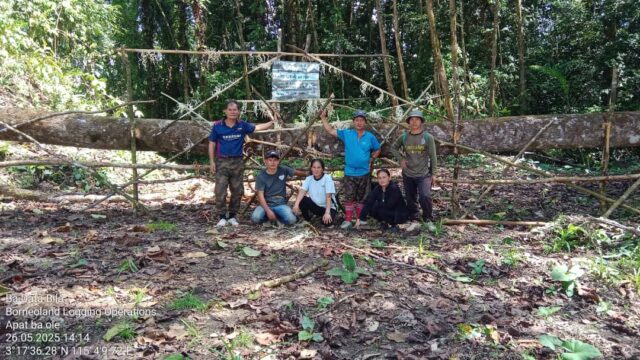
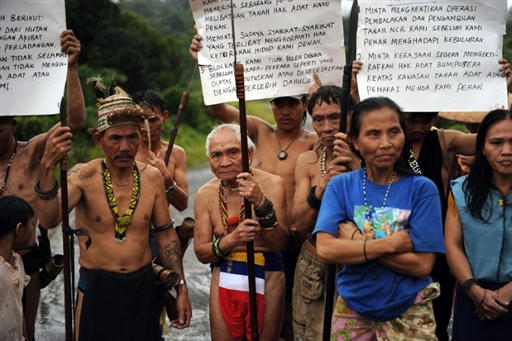
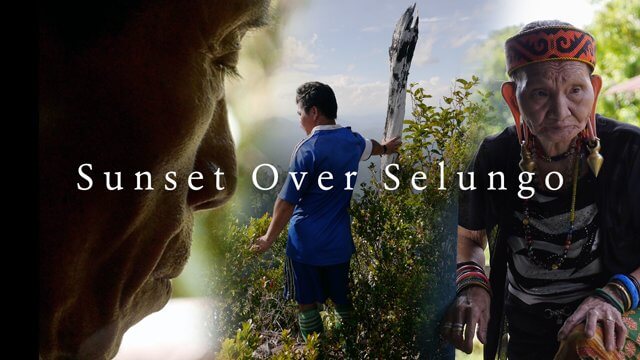
Sunset Over Selungo is the inspiring story of people from the Penan tribe fighting to defend their rainforest home from being cut down. They need your support to create the Penan Peace Park – a grassroots initiative that would recognize their land rights and protect the jungle for generations to come.
What is the Penan Peace Park?
In 2009, 18 Penan villages united to create a proposal for a new protected area. The aim: to guard their lands against loggers and preserve their culture for generations to come. The Penan Peace Park was born.
Although the Penan communities have always lived here, they do not have official title deeds to their land because the government has not provided them. There is a risk logging companies will try and bribe the villages to sign away their land rights forever. Until the Penan Peace Park is officially recognised by the government then the risk of complete deforestation remains.
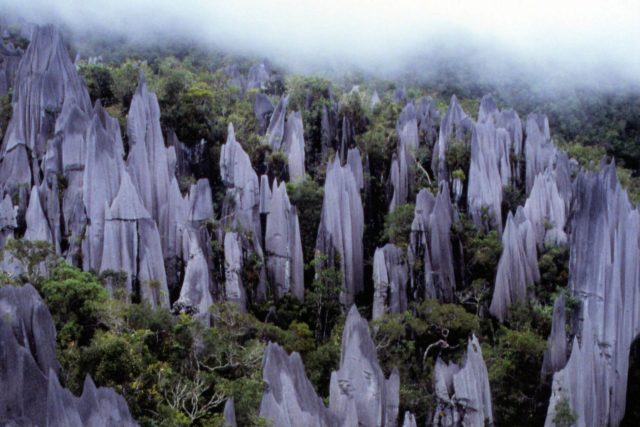
The area around Selungo is one of the last untouched pockets of jungle left. The villages in Upper Baram are calling out for support as they struggle to defend their land.
Officially establishing the Penan Peace Park by law would be a milestone for tribal peoples and a shining example of conservation and justice. But the villages cannot do it alone. Your support can make this happen.
Find out more at www.selungo.com
Across the world right now, Indigenous peoples are facing a renewed assault on their lands, rights, and ways of life.
From extractive industries pushing deeper into ancestral territories, to governments rolling back hard-won protections,
the threat is global—and it is growing.
What makes this moment especially dangerous is how little attention it receives.
Stories like this are disappearing in real time. Mainstream media
barely covers it and the coverage is fragmented. The public is left without the context
needed to understand what is truly at stake.
That is exactly why IC Magazine exists..
For more than 20 years, IC has reported on Indigenous struggles worldwide — consistently, independently, and without compromise.
We don’t follow news cycles; we trace patterns. We don’t sensationalize; we provide context.
And when the world looks away, we stay focused.
But this work is increasingly difficult to sustain.
We refuse to lock our reporting behind a paywall. We don’t sell access through subscriptions.
And we don’t answer to advertisers. IC Magazine survives solely because readers like you choose to
support independent Indigenous journalism.
Please donate today if you can. Every contribution helps us to continue this crucial work.
Thank you,
John Ahni Schertow
Founder and Editor in Chief