Last Updated on March 20, 2026
The Ontario government has moved to accelerate the approval process for a major gold mine in the province’s northwest, a decision critics say could heighten environmental risks for Indigenous communities already burdened by decades of industrial contamination.
Premier Doug Ford’s government has granted the proposed Great Bear gold project a fast-track designation under its “One Project, One Process” framework, a policy that is designed to compress regulatory timelines by coordinating multiple provincial approvals at once.
The mine, located about 24 kilometres southeast of Red Lake, is being developed by Kinross Gold Corp. and is expected to be one of the largest new gold operations in Ontario.
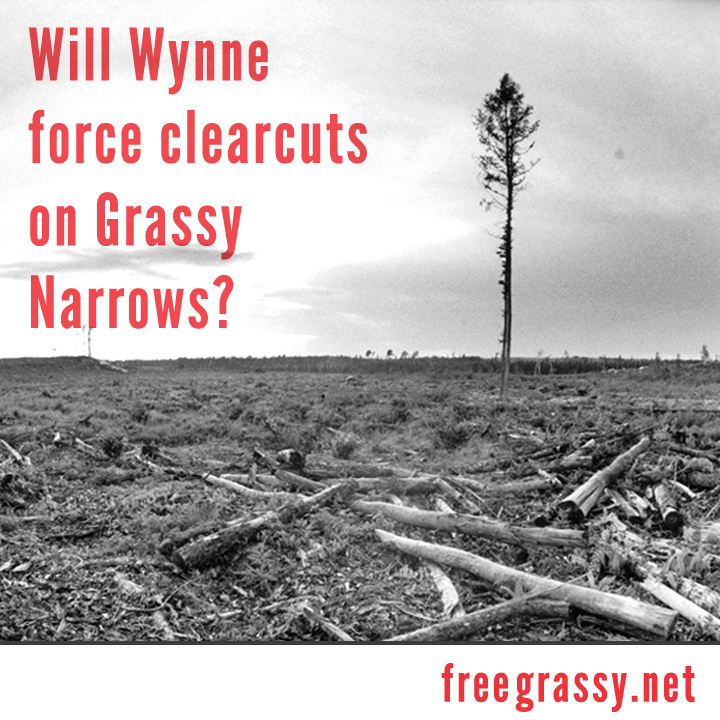
Provincial officials say the move will cut red tape; but Indigenous leaders and environmental advocates warn that speeding up reviews could limit meaningful consultation and overlook cumulative environmental impacts — particularly for downstream communities such as Grassy Narrows, which lies within the broader watershed potentially affected by the project.
Grassy Narrows has lived for generations with the legacy of mercury pollution in the Wabigoon-English River system, after industrial discharges in the mid-20th century poisoned fish and devastated the community’s economy, culture and health. Many residents continue to suffer neurological symptoms linked to mercury exposure, and fishing advisories remain in place decades later.
“The public is frequently told that these were mistakes made in the past, which could not be repeated under today’s laws and regulations. This is not true. The current regulatory regime for industry is woefully inadequate and continues to fail to protect Grassy Narrows from intense and ongoing industrial impacts,” Grassy Narrows said in a letter to Minister McCarthy and the Environmental Registry of Ontario.
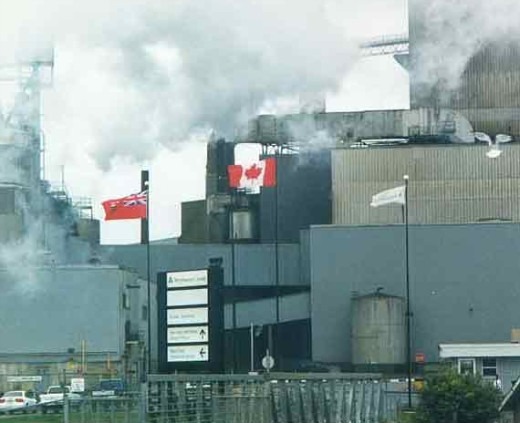
“Our waters remain contaminated with mercury, the Dryden mill continues double the mercury in our fish by discharging effluent that stimulates methylation in our river, gold mines upstream continue to pollute our headwaters, and giant dams continue to divert and alter the flow of our life-giving river,” the letter continues.
“And yet the Crown is setting the stage for nuclear waste disposal and multiple additional mines in our headwaters. The pollution of our water, the contamination of our fish, and the harm to our people continues to this day under Ontario’s current regulations, which clearly favour industrial extraction by multi-national corporations at our expense.”
The proposed mine raises fresh concerns because sulphates released in mine wastewater can intensify mercury contamination. Scientists have found that sulphates can stimulate chemical and biological processes that convert mercury into methylmercury — a far more toxic form that becomes increasingly concentrated as it moves up the food chain, ultimately affecting the people who rely on those fish for sustenance.
Ontario officials maintain that fast-tracking does not eliminate environmental safeguards or Indigenous consultation requirements. The project remains subject to a federal impact assessment.
Still, with the mine now advancing through a fast-tracked process, there’s an all-too-familiar tension in the air.
Across the world right now, Indigenous peoples are facing a renewed assault on their lands, rights, and ways of life.
From extractive industries pushing deeper into ancestral territories, to governments rolling back hard-won protections,
the threat is global—and it is growing.
What makes this moment especially dangerous is how little attention it receives.
Stories like this are disappearing in real time. Mainstream media
barely covers it and the coverage is fragmented. The public is left without the context
needed to understand what is truly at stake.
That is exactly why IC Magazine exists..
For more than 20 years, IC has reported on Indigenous struggles worldwide — consistently, independently, and without compromise.
We don’t follow news cycles; we trace patterns. We don’t sensationalize; we provide context.
And when the world looks away, we stay focused.
But this work is increasingly difficult to sustain.
We refuse to lock our reporting behind a paywall. We don’t sell access through subscriptions.
And we don’t answer to advertisers. IC Magazine survives solely because readers like you choose to
support independent Indigenous journalism.
Please donate today if you can. Every contribution helps us to continue this crucial work.
Thank you,
John Ahni Schertow
Founder and Editor in Chief