Last Updated on November 24, 2025
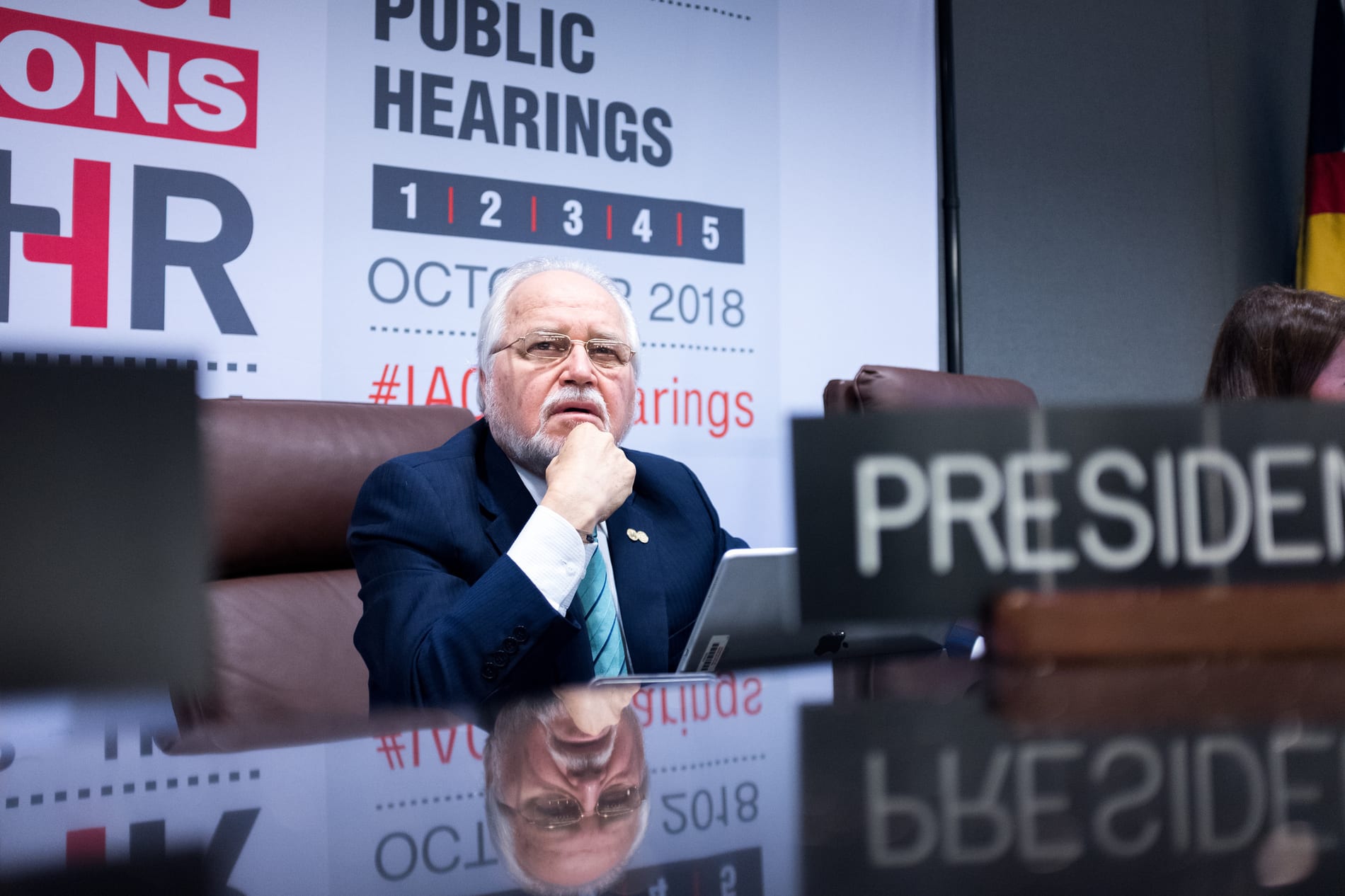
Indigenous communities from Panama made their voices heard at the 194th hearing of the Interamerican Commission on Human Rights (IACHR), which took place at the University of Miami on November 19.
Civil society organizations representing Indigenous groups throughout the country presented powerful testimony concerning the historical and ongoing dispossession of Indigenous people in Panama, and the intensifying pattern of restrictions on civic space that targets Indigenous communities.
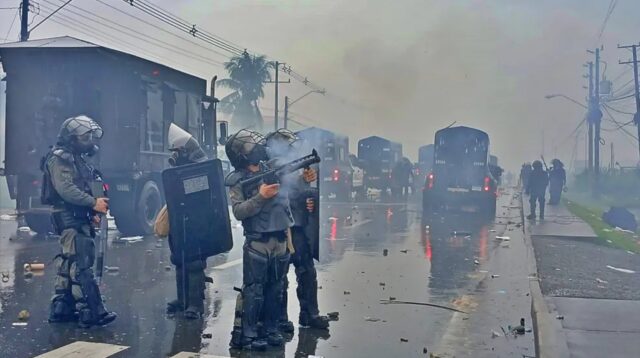
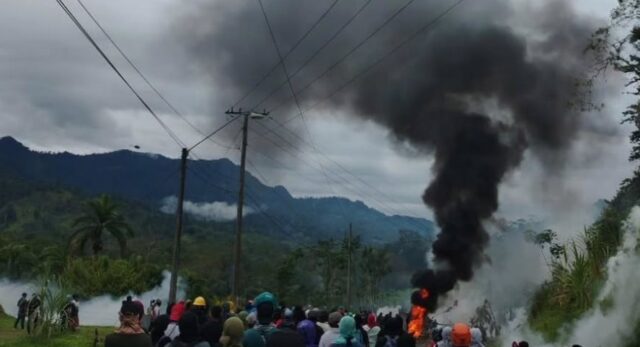
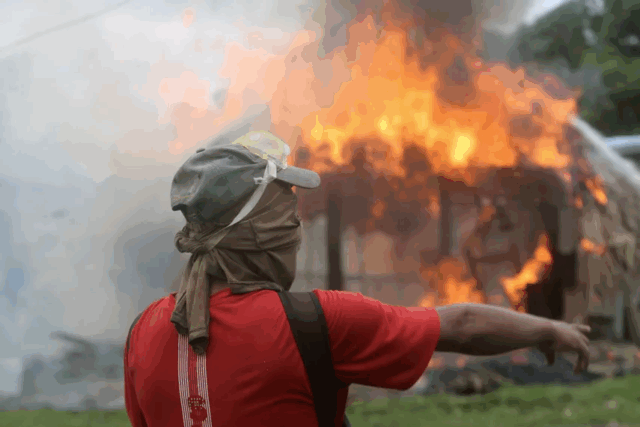
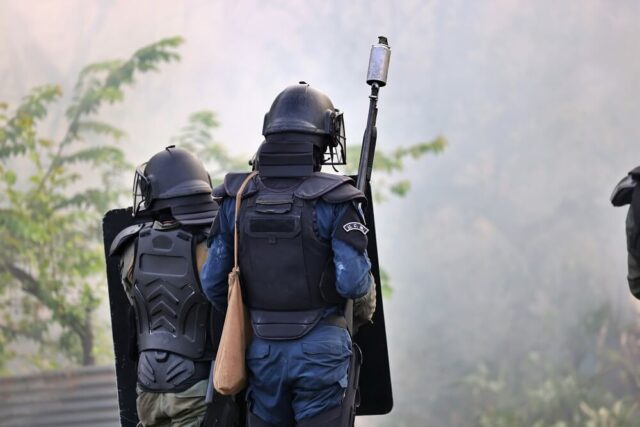
In May and June this year, the government of José Raúl Mulino launched a heavy-handed police operation – so-called “Operation Omega” – to suppress peaceful protests in the province of Bocas del Toro. Operation Omega involved the excessive and lethal use of force by state security forces, a wave of arbitrary detentions, an extended communication blackout, and the suspension of constitutional guarantees. There were widespread reports of police violence, intimidation, hate speech, torture, sexual assault, and the denial of legal assistance.
The IACHR meeting was attended by representatives from the Movement for the Defense of the Territories and Ecosystems of Bocas del Toro (MODETEAB), the Ngäbe Center for Development and Technical Assistance (CEDETENG), the Local Congress of Piriatí Emberá, the Center for International Environmental Law (CIEL), the Alliance for Conservation and Development (ACD), and Cultural Survival, as well as by representatives from the Panamanian government.
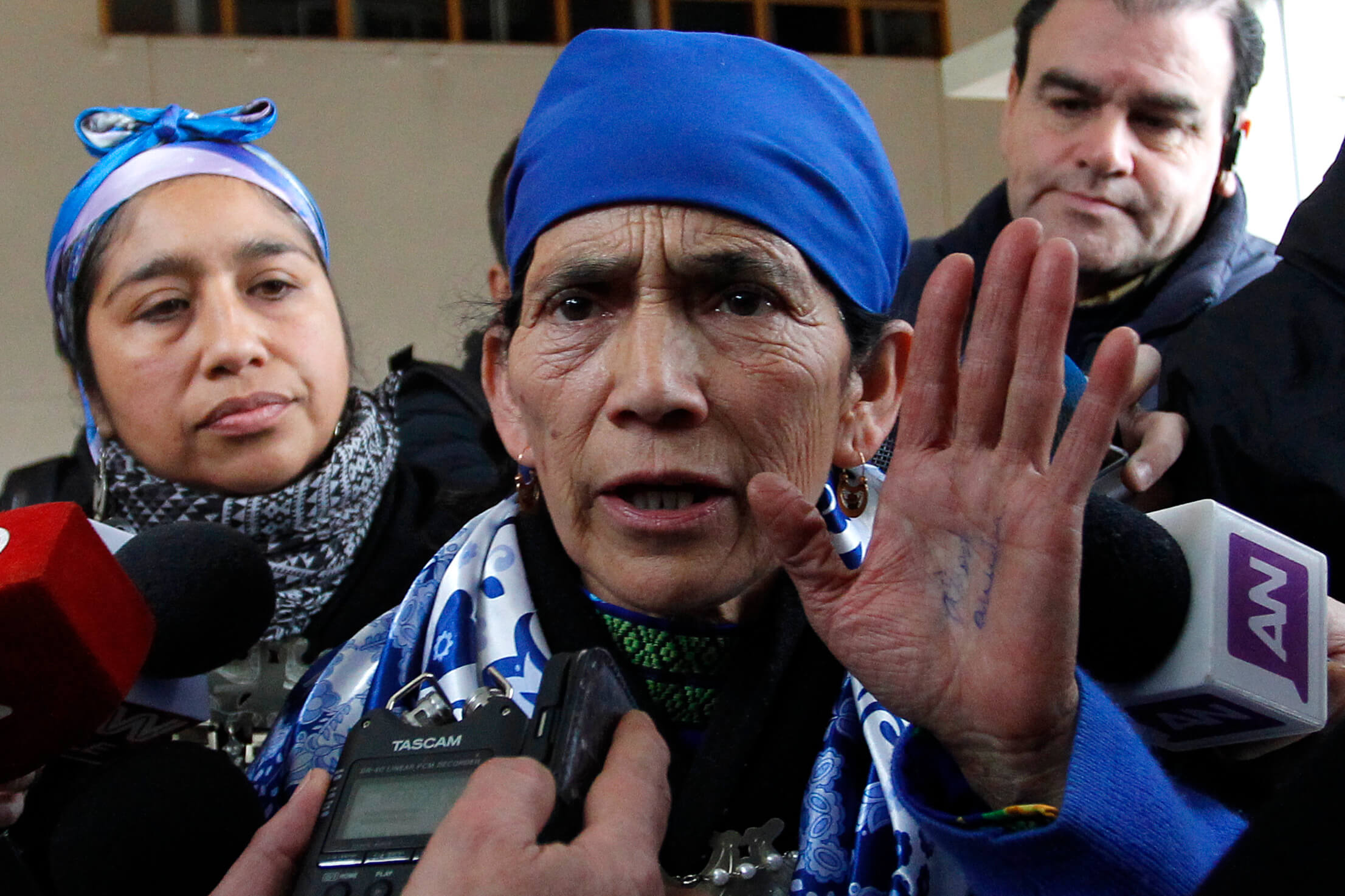
Weni Bagama, a Ngäbe woman from the community of Kiad, described harrowing scenes in the Comarca Ngäbe-Buglé, a semi-autonomous Indigenous region in western Panama.
“The State violated the rights of women, children, and elderly people in their own homes,” she said. “Communities were besieged day and night. They launched tear gas into our own homes. Mothers had to flee to the mountains with their children and endure hunger because they were being persecuted in their own homes.”
She went on to describe women being handcuffed, shackled, and beaten by groups of male police officers. Furthermore, women uninvolved in the protests were taken off local buses and into police custody, she said, where they were subsequently raped.
Ilenia Pérez, a Guna woman and coordinator for the NGO Cultural Survival, described the impact on Indigenous women as “devastating”.
“For us, violence doesn’t stop at the skin, it pierces the spirit, breaks the harmony of the community, and impacts our relations with the whole territory. When an Indigenous woman is humiliated or violated, the entire community is hurt, because we are the ones who sustain its life, memory, culture, and spirituality.”
Legal representatives for those detained during the crisis shared graphic images as evidence of torture and cruel treatment. Describing the violence as “shameful”, one of them said that Operation Omega had instilled such fear in Indigenous children that they now wet themselves when they see a police officer.
“As a lawyer, I feel ashamed of the system,” he said. “The violence was brutal, and I reiterate this point, absolutely brutal.”
Another lawyer described how a court hearing for a group of 12 women who were transferred to a local prison took place two months after the Superior Court of Chiriquí issued a habeas corpus – a writ which demands an immediate response to determine if an arrest has been illegal. He suggested that the unlawful delay was to allow their visible injuries to heal.
Meanwhile, Bernadino Morales, a Ngäbe man from the community of Guayabal, pointed to a climate of impunity. Referring to IACHR hearings in 2012 and 2014, which similarly highlighted violence perpetuated against Indigenous protesters, he said, “Despite calls for justice, there were no independent judicial investigations, and those responsible for abuses went unpunished and continued working for the State.”
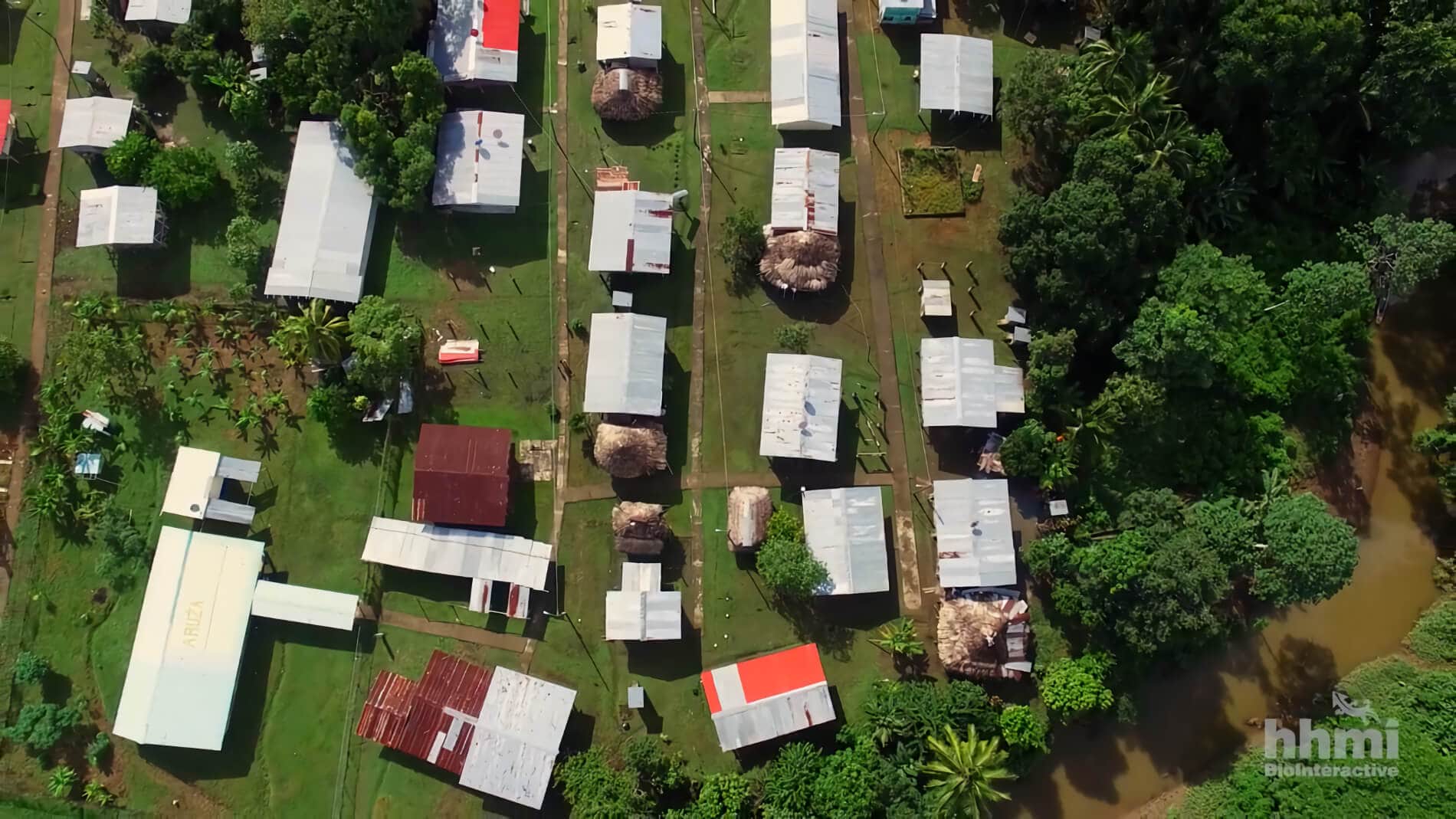
Finally, Indigenous representatives reiterated that the State had not complied with its legal obligation to demarcate and title Indigenous lands.
In response, representatives of the State recognized the “historical challenges faced by Indigenous people” and reiterated its commitment to Inter-American jurisprudence, including “ensuring that Indigenous peoples are key players in defining their priorities and development strategies.”
Juan Francisco Borrell, Deputy Minister of Government said, “The national government affirms that the decisions adopted during this crisis responded to the need to protect life, social peace and rights, and fundamental guarantees for all members, always within the constitutional framework and standards of Inter-American human rights bodies, in accordance with the international instruments ratified by the Republic of Panama.”
He said that the measures taken in Bocas del Toro were proportionate and necessary to “restore public order” and to remove roadblocks that had “severely affected mobility, the supply chain of food, medicine and essential basic services.” He added that “in reality” it was the protesters who had closed civic space, not the government.
For its part, IACHR panel highlighted the importance of the State’s openness to accountability and reaffirmed its commitment to facilitating spaces for dialogue. Their investigations into the events reported during the hearing will continue.
Across the world right now, Indigenous peoples are facing a renewed assault on their lands, rights, and ways of life.
From extractive industries pushing deeper into ancestral territories, to governments rolling back hard-won protections,
the threat is global—and it is growing.
What makes this moment especially dangerous is how little attention it receives.
Stories like this are disappearing in real time. Mainstream media
barely covers it and the coverage is fragmented. The public is left without the context
needed to understand what is truly at stake.
That is exactly why IC Magazine exists..
For more than 20 years, IC has reported on Indigenous struggles worldwide — consistently, independently, and without compromise.
We don’t follow news cycles; we trace patterns. We don’t sensationalize; we provide context.
And when the world looks away, we stay focused.
But this work is increasingly difficult to sustain.
We refuse to lock our reporting behind a paywall. We don’t sell access through subscriptions.
And we don’t answer to advertisers. IC Magazine survives solely because readers like you choose to
support independent Indigenous journalism.
Please donate today if you can. Every contribution helps us to continue this crucial work.
Thank you,
John Ahni Schertow
Founder and Editor in Chief