Last Updated on April 14, 2025
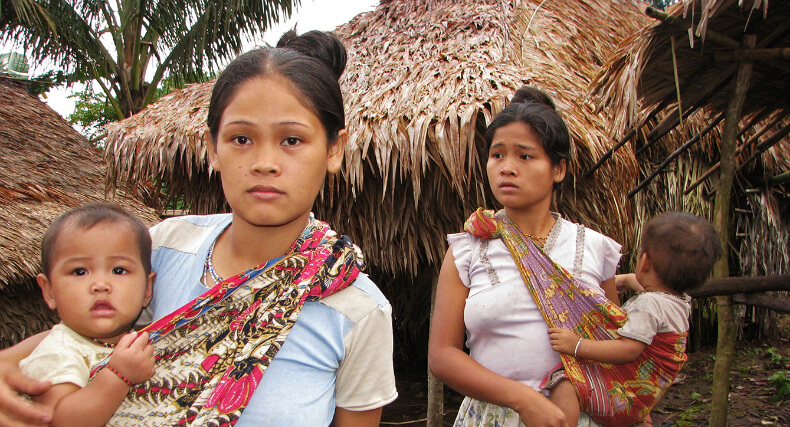
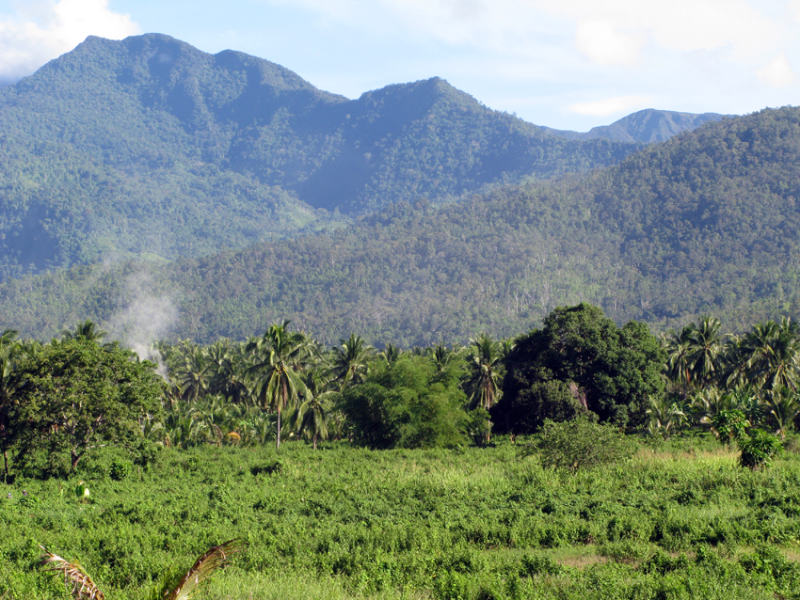
The struggle to save Palawan is not only about saving trees and rare species. It is also about nourishing the Filipino cultural heritage, so powerfully represented by those indigenous communities that – after escaping Spanish and American colonization (while resisting the new ‘mining imperialism’ now) – continue to represent the ‘living roots’ from which all Filipinos originate. Therefore, environmental plundering by mining companies is not only a crime against nature but it is also a crime against culture, a sort of genocide that annihilates the most profound roots of the Filipino’s history and ultimately plunders the cultural heritage of the whole nation.
In this movie, Kawali, the mythical ancestor depicted by Batak narrators emphasizes humility and trust towards the supernal beings in charge of animals and plants. On the contrary, the attitude of Kawali’s brother-in-law comes to represent the epitome of inappropriate behaviour, such as the lack of respect towards the mystical keepers of animals and – here specifically – towards the “father of bees”: a relationship that contemporary Batak continues to restore though the lambay ceremony.
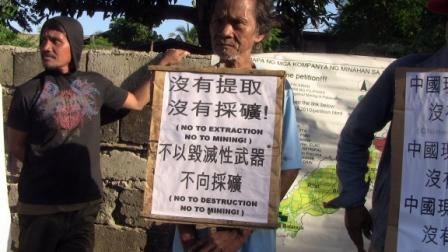
The sudden switch between the narration of the Batak myth and the threats posed by mining companies serves to introduce the work of ALDAW, a local network of indigenous peoples struggling for the protection of their ancestral land against large-scale corporations.
Across the world right now, Indigenous peoples are facing a renewed assault on their lands, rights, and ways of life.
From extractive industries pushing deeper into ancestral territories, to governments rolling back hard-won protections,
the threat is global—and it is growing.
What makes this moment especially dangerous is how little attention it receives.
Stories like this are disappearing in real time. Mainstream media
barely covers it and the coverage is fragmented. The public is left without the context
needed to understand what is truly at stake.
That is exactly why IC Magazine exists..
For more than 20 years, IC has reported on Indigenous struggles worldwide — consistently, independently, and without compromise.
We don’t follow news cycles; we trace patterns. We don’t sensationalize; we provide context.
And when the world looks away, we stay focused.
But this work is increasingly difficult to sustain.
We refuse to lock our reporting behind a paywall. We don’t sell access through subscriptions.
And we don’t answer to advertisers. IC Magazine survives solely because readers like you choose to
support independent Indigenous journalism.
Please donate today if you can. Every contribution helps us to continue this crucial work.
Thank you,
John Ahni Schertow
Founder and Editor in Chief