Last Updated on June 16, 2014
Trafficking of women and children for sex slavery is a growing aspect of organized crime. According to transnational crime expert Phil Williams, it is often responsible for funding other aspects of criminal enterprise, like trafficking in arms and drugs.
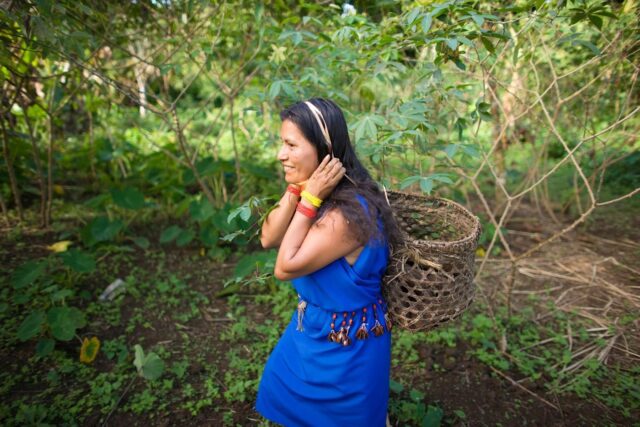
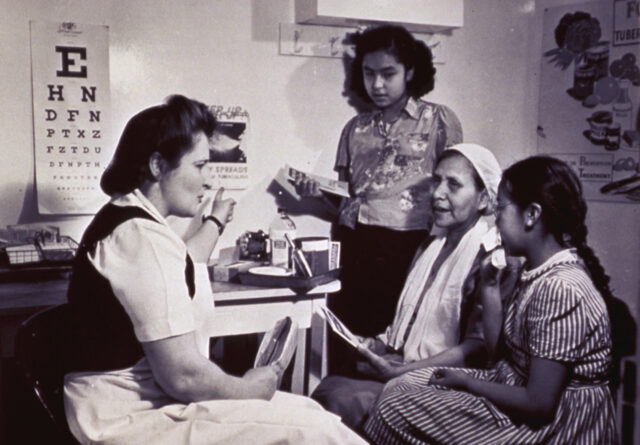
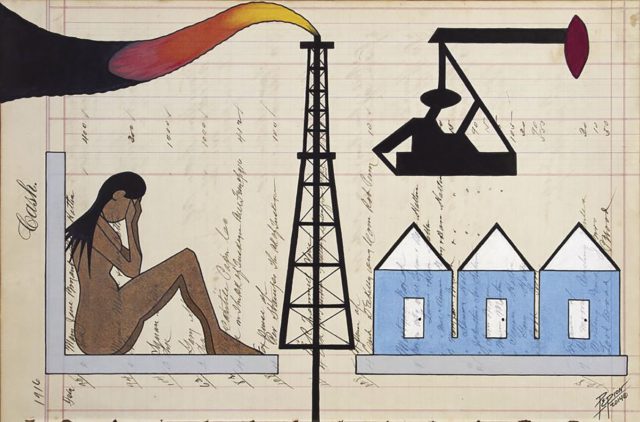
Targeting the most vulnerable countries and communities, sex traffickers increasingly prey on Indigenous women and children, making false promises of normal employment as nannies and housekeepers, then brutally coercing the victims into sex slavery. Even in the United States and Canada, Indigenous women and children are vastly more vulnerable than non-indigenous.
As the premier international organization combating this aspect of organized crime, Prostitution Research and Education has taken on mainstream advertising that profits from sex trafficking, forcing such corporations as Craigslist to remove adult services from its website. Currently, PRE — along with federal law enforcement — is focused on Village Voice Media (publishers of Seattle Weekly, San Francisco Weekly and LA Weekly) for aiding and abetting this abhorrent criminal enterprise.
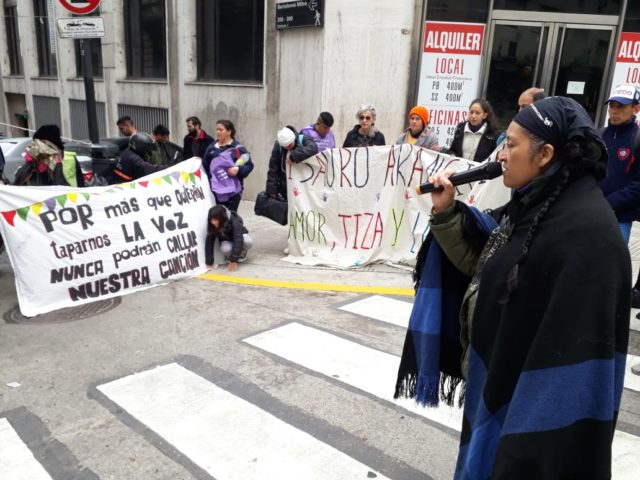
Across the world right now, Indigenous peoples are facing a renewed assault on their lands, rights, and ways of life.
From extractive industries pushing deeper into ancestral territories, to governments rolling back hard-won protections,
the threat is global—and it is growing.
What makes this moment especially dangerous is how little attention it receives.
Stories like this are disappearing in real time. Mainstream media
barely covers it and the coverage is fragmented. The public is left without the context
needed to understand what is truly at stake.
That is exactly why IC Magazine exists..
For more than 20 years, IC has reported on Indigenous struggles worldwide — consistently, independently, and without compromise.
We don’t follow news cycles; we trace patterns. We don’t sensationalize; we provide context.
And when the world looks away, we stay focused.
But this work is increasingly difficult to sustain.
We refuse to lock our reporting behind a paywall. We don’t sell access through subscriptions.
And we don’t answer to advertisers. IC Magazine survives solely because readers like you choose to
support independent Indigenous journalism.
Please donate today if you can. Every contribution helps us to continue this crucial work.
Thank you,
John Ahni Schertow
Founder and Editor in Chief