Last Updated on August 3, 2018
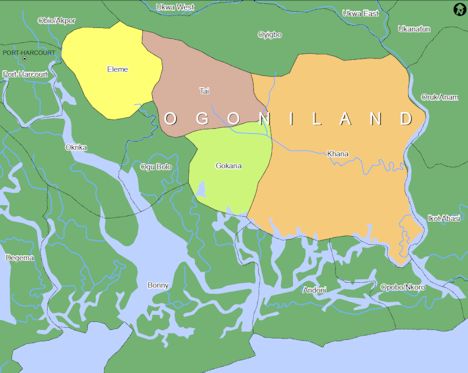
Shell’s decision to pay out $15 million dollars to the Ogoni People this week has been hailed an important victory for corporate social responsibility. Some are even saying it may set precedent that could turn over a page of world history so drenched in barbarism and human rights abuse that we can scarcely come to terms with what has happened. As we are reminded by what’s happening in Peru right now, it’s a page that drips in the blood of innocent people.
Though the settlement has been welcomed by the Ogoni, and will surely help to ease the pain of loss for the families of Ken Saro-Wiwa and the other Ogoni who were killed by the Nigerian military, the settlement itself can be nothing more than a last ditch way for Shell to evade responsibility for its actions.
Indeed, Shell may have claimed that it “had no part in the violence that took place” when they announced the settlement on June 8, but who spends $15 million to avoid the chance to vindicate themselves through the courts?
It’s “Blood money” says Ogon Patterson, a human rights activist in the Niger Delta and founder of the Iaw council for Human Rights: a plain and simple admission of guilt.
Incidentally, guilt that has just been confirmed by documents obtained by PLATFORM London and Channel 4 news. Never before seen in the public, the documents reveal “Shell’s intimate relationship with the military” and “how the alliance of the Nigerian regime and Shell used force to keep the Ogoni ‘under control’.”
While the settlement is most certainly a victory for the Ogoni people, we must remember how time and again companies like Shell have done everything in their power to avoid taking any type of real responsibility for themselves.
Even now, we can see it happening in Peru and Tanzania, Canada, Burma, Papua New Guinea, Ireland, Colombia, Pakistan and dozens of other countries. Wherever there are resources to be plundered.
The names and tragedies may be different, but it always comes down to the same thing (money, power, privilege, approval). That will never change as long as “responsibility” can be reduced to a choice when we all know it is a obligation: affirmed by courts and understood through our very own conscience.
For more information, visit shellguilty.com, wiwavshell.org and remembersarowiwa.com
Across the world right now, Indigenous peoples are facing a renewed assault on their lands, rights, and ways of life.
From extractive industries pushing deeper into ancestral territories, to governments rolling back hard-won protections,
the threat is global—and it is growing.
What makes this moment especially dangerous is how little attention it receives.
Stories like this are disappearing in real time. Mainstream media
barely covers it and the coverage is fragmented. The public is left without the context
needed to understand what is truly at stake.
That is exactly why IC Magazine exists..
For more than 20 years, IC has reported on Indigenous struggles worldwide — consistently, independently, and without compromise.
We don’t follow news cycles; we trace patterns. We don’t sensationalize; we provide context.
And when the world looks away, we stay focused.
But this work is increasingly difficult to sustain.
We refuse to lock our reporting behind a paywall. We don’t sell access through subscriptions.
And we don’t answer to advertisers. IC Magazine survives solely because readers like you choose to
support independent Indigenous journalism.
Please donate today if you can. Every contribution helps us to continue this crucial work.
Thank you,
John Ahni Schertow
Founder and Editor in Chief