Last Updated on April 10, 2025
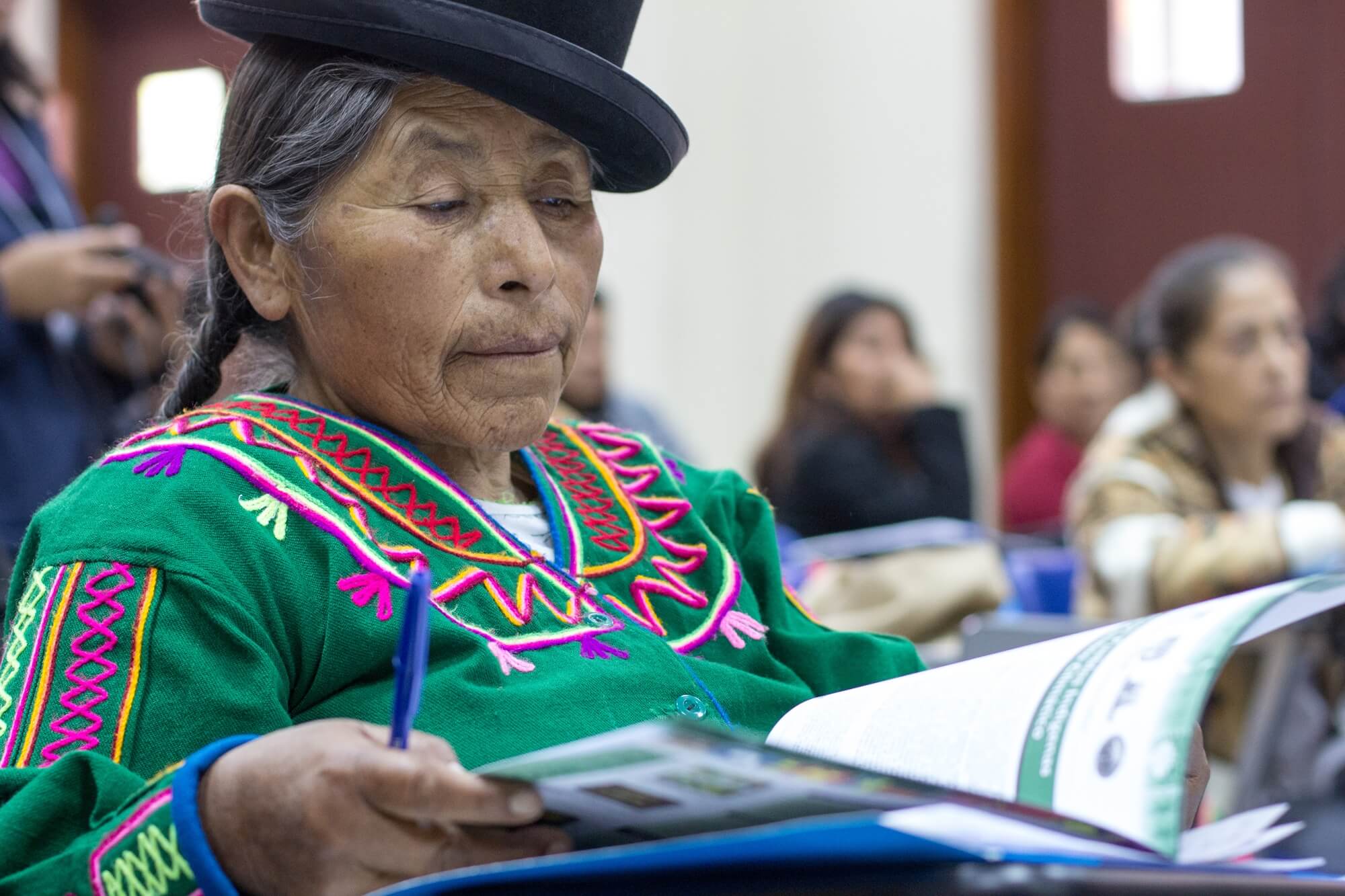
Storytelling in the Fourth World is a vital part of transmitting identity and creating community essential to maintaining resilient holistic cultures. Intercultural communications serve as diplomatic tools, while intracultural communications maintain group cohesion. Cooperation and adaptation depend on effective and pervasive communications, responsive to new threats, challenges and opportunities.
In today’s world — in addition to reaching out to a global indigenous audience — indigenous communications are required to interact with the dominant mainstream media, as well as connect with alternative non-indigenous forms of media. As the forces of globalization attempt to homogenize the ideoscape, independent media – both indigenous and otherwise – must learn to perforate the spectacle of state propaganda and corporate marketing. Fourth World communications in this context must weave a new narrative for survival, while simultaneously protecting indigenous societies from attack. Indeed, this war of ideas is a perpetual contest between competing narratives in a zero sum game.
To compete effectively in modern communications, Fourth World researchers, analysts, journalists and activists need not only understand their cultures and identities, but must also manage to navigate the sacred dimensions common to all humanity, with an appreciation for the science of coercion as practiced by their enemies, adversaries and allies. Protecting the world indigenous peoples’ movement, using new technologies and protocols, is all part of Fourth World communications; investigating how various indigenous communities have managed to surmount the barriers erected by states and markets, informs future practitioners in the art of communicating social transformation. In this role, tribes — as a primary form of social organization — find themselves key players in global networks devoted to conservation and reciprocity; how they go about that will determine the outcome of the most crucial initiatives that have faced humankind since time immemorial.
Communication takes many forms, depending on the purpose and audience. It can be written, audio/visual, on or off line. The story told can be fictional or true, artistic, academic or journalistic, inspirational or motivational. Narratives can be in the form of a briefing, documentary, expose, occasional paper, white paper, concept paper, intelligence estimate, or investigative report. How these stories are told and disseminated determines their effectiveness.
Digital media, like oral or print media, is essentially storytelling; the narrative orients an audience toward a point of view or perception of reality. Based on that perception, an inspired audience can become further educated, make efforts at organizing others, and participate in community actions for social change. The articles in this post on netwar contain ideas relevant to how digital media relates to activism, and would be especially useful for students.
The application of one’s worldview, as I note in this post, also benefits from an informed analysis of social evolution. A comprehension of this broader context enables digital media writers, editors and publishers to seek out correspondents investigating how applied research is more effective when exposed to sociological concepts. This book examines some of the relationships between digital media and Indigenous activism in Chiapas, Mexico.
Communication in Network Society looks at how competing narratives redistribute political power.
Across the world right now, Indigenous peoples are facing a renewed assault on their lands, rights, and ways of life.
From extractive industries pushing deeper into ancestral territories, to governments rolling back hard-won protections,
the threat is global—and it is growing.
What makes this moment especially dangerous is how little attention it receives.
Stories like this are disappearing in real time. Mainstream media
barely covers it and the coverage is fragmented. The public is left without the context
needed to understand what is truly at stake.
That is exactly why IC Magazine exists..
For more than 20 years, IC has reported on Indigenous struggles worldwide — consistently, independently, and without compromise.
We don’t follow news cycles; we trace patterns. We don’t sensationalize; we provide context.
And when the world looks away, we stay focused.
But this work is increasingly difficult to sustain.
We refuse to lock our reporting behind a paywall. We don’t sell access through subscriptions.
And we don’t answer to advertisers. IC Magazine survives solely because readers like you choose to
support independent Indigenous journalism.
Please donate today if you can. Every contribution helps us to continue this crucial work.
Thank you,
John Ahni Schertow
Founder and Editor in Chief