Last Updated on May 13, 2025
What happens when we manipulate markets to solve the climate crisis?” Discover the emerging “green-gold” multi-billion dollar carbon industry & the people most impacted.
Information
Release Date: Spring 2012
Studio: Wide Open Exposure
Directed By: Amy Miller
Produced By: Byron A Martin, Amy Miller
Synopsis
Hundreds of hydroelectric dams in Panama. Incinerators burning garbage in India. Biogas extracted from palm oil in Honduras. Eucalyptus forests harvested for charcoal in Brazil. What do these projects have in common? They are all receiving carbon credits for offsetting pollution created somewhere else. But what impact are these offsets having? Are they actually reducing emissions? And what about the people and the communities where these projects have been set up?
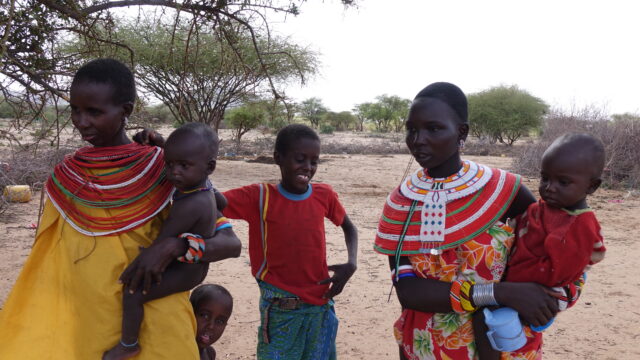
THE CARBON RUSH takes us around the world to meet the people most impacted. They are the least heard in the cacophony surrounding this emerging “green-gold” multi-billion dollar carbon industry.
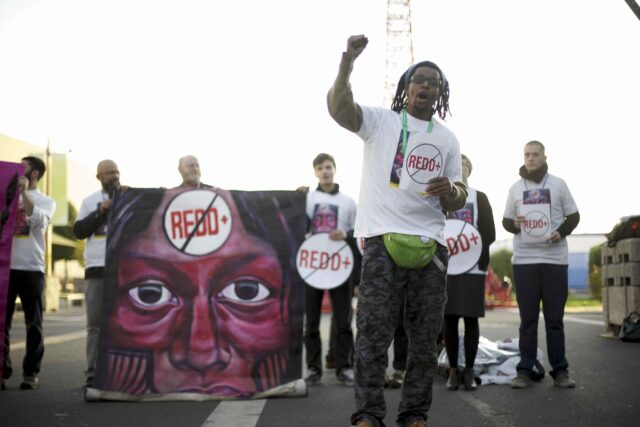
From indigenous rain forest dwellers having their way of life completely threatened, to dozens of Campesinos assassinated, to the livelihood of waste pickers at landfills taken away, THE CARBON RUSH travels across four continents and brings us up close to projects working through the United Nations, Kyoto Protocol designed Clean Development Mechanism. This groundbreaking documentary feature asks the fundamental questions “What happens when we manipulate markets to solve the climate crisis? Who stands to gain and who stands to suffer?”
Across the world right now, Indigenous peoples are facing a renewed assault on their lands, rights, and ways of life.
From extractive industries pushing deeper into ancestral territories, to governments rolling back hard-won protections,
the threat is global—and it is growing.
What makes this moment especially dangerous is how little attention it receives.
Stories like this are disappearing in real time. Mainstream media
barely covers it and the coverage is fragmented. The public is left without the context
needed to understand what is truly at stake.
That is exactly why IC Magazine exists..
For more than 20 years, IC has reported on Indigenous struggles worldwide — consistently, independently, and without compromise.
We don’t follow news cycles; we trace patterns. We don’t sensationalize; we provide context.
And when the world looks away, we stay focused.
But this work is increasingly difficult to sustain.
We refuse to lock our reporting behind a paywall. We don’t sell access through subscriptions.
And we don’t answer to advertisers. IC Magazine survives solely because readers like you choose to
support independent Indigenous journalism.
Please donate today if you can. Every contribution helps us to continue this crucial work.
Thank you,
John Ahni Schertow
Founder and Editor in Chief