
Last Updated on May 13, 2025
A high-profile carbon offset project in Kenya has been suspended for the second time following serious concerns over its impact on Indigenous communities in the region.
The project, managed by the Northern Rangelands Trust (NRT), aims to sequester carbon by altering traditional livestock grazing patterns over an area that spans over one million hectares. It has attracted significant corporate interest, with companies like Netflix and Meta buying carbon credits to offset their emissions.
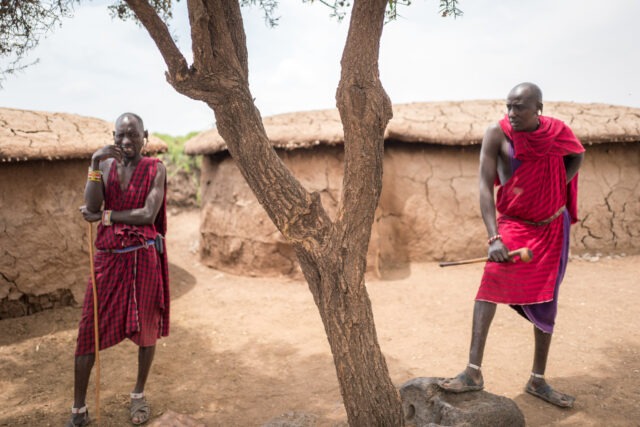
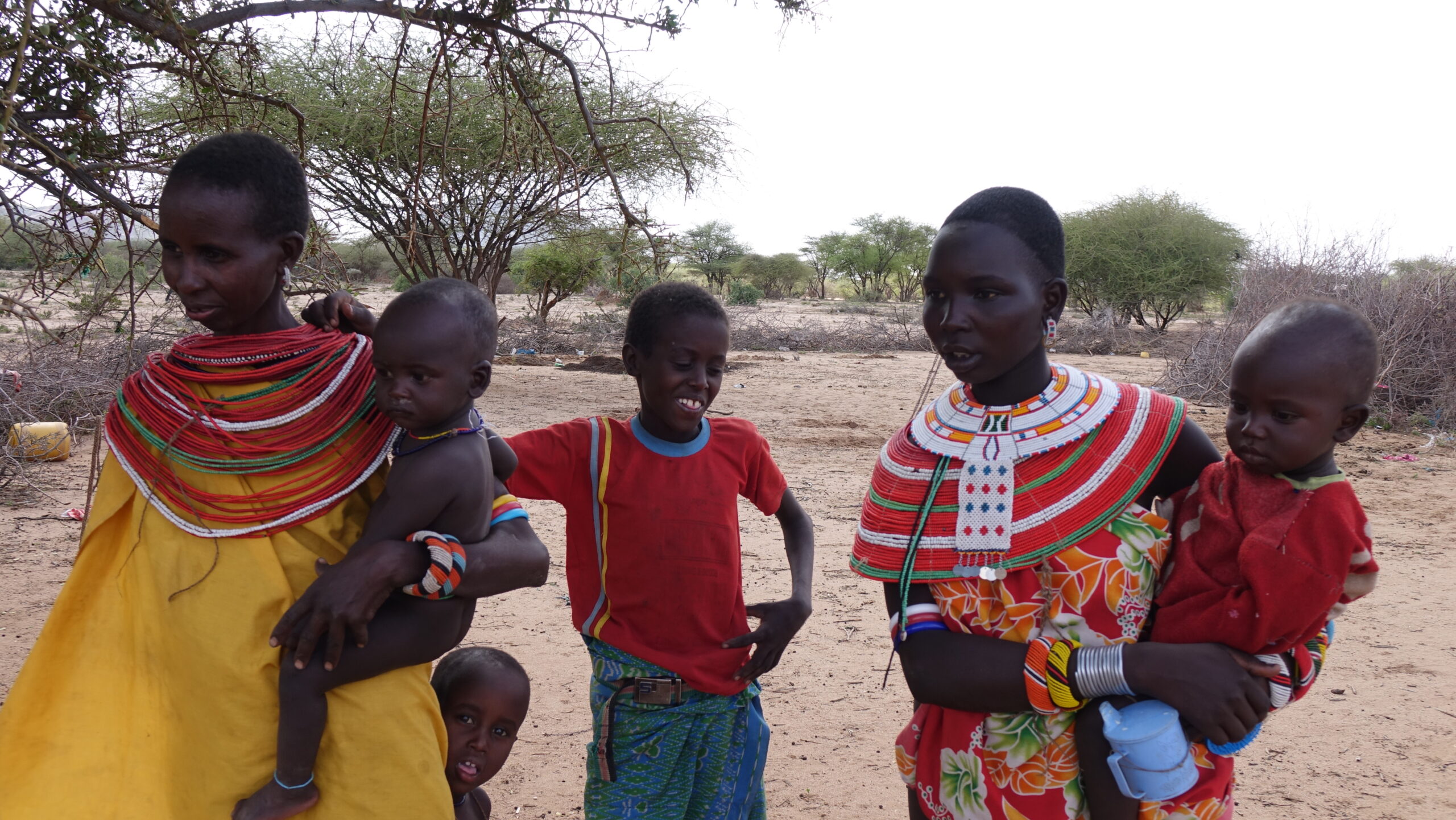
But for the Maasai, Borana, Samburu, and other pastoralist peoples, the project has come at a steep cost: the project has disrupted their traditional grazing practices and limited access to their ancestral lands.
In January 2025, a Kenyan court ruled that two major conservancies set up under the scheme—Biliqo Bulesa and Girgir—were established without any constitutional or legal basis. Biliqo Bulesa alone accounts for roughly 20 percent of the project’s carbon credits. The ruling could affect half of the conservancies involved in the broader program, casting doubt on the legal standing of the entire initiative.
In 2023, Verra—the world’s largest carbon offset certifier—suspended the project after a report by Survival International, Blood Carbon, exposed how the scheme was generating millions of dollars while undermining Indigenous rights.
Now, in light of the recent court ruling and growing legal scrutiny, Verra has suspended the project again.
Hassan Bidhu, a plaintiff in the court case, commented that “The project completely destroyed the traditional system and brought another one, which is like a displacement.”
Caroline Pearce of Survival International called on Verra to terminate the project entirely. “The NRT carbon credits scheme has violated Indigenous rights from the start, and has now become a complete fiasco. It’s impossible to understand how it was approved by Verra in the first place, and it should now be scrapped once and for all – along with the whole idea of violating Indigenous people’ rights to generate carbon credits.”
For the Maasai, Borana, Samburu and other Indigenous peoples, this case serves as a cautionary tale about the pitfalls of carbon offset schemes that do not adequately account for the rights and needs of Indigenous Peoples.
Across the world right now, Indigenous peoples are facing a renewed assault on their lands, rights, and ways of life.
From extractive industries pushing deeper into ancestral territories, to governments rolling back hard-won protections,
the threat is global—and it is growing.
What makes this moment especially dangerous is how little attention it receives.
Stories like this are disappearing in real time. Mainstream media
barely covers it and the coverage is fragmented. The public is left without the context
needed to understand what is truly at stake.
That is exactly why IC Magazine exists..
For more than 20 years, IC has reported on Indigenous struggles worldwide — consistently, independently, and without compromise.
We don’t follow news cycles; we trace patterns. We don’t sensationalize; we provide context.
And when the world looks away, we stay focused.
But this work is increasingly difficult to sustain.
We refuse to lock our reporting behind a paywall. We don’t sell access through subscriptions.
And we don’t answer to advertisers. IC Magazine survives solely because readers like you choose to
support independent Indigenous journalism.
Please donate today if you can. Every contribution helps us to continue this crucial work.
Thank you,
John Ahni Schertow
Founder and Editor in Chief