Last Updated on April 10, 2025
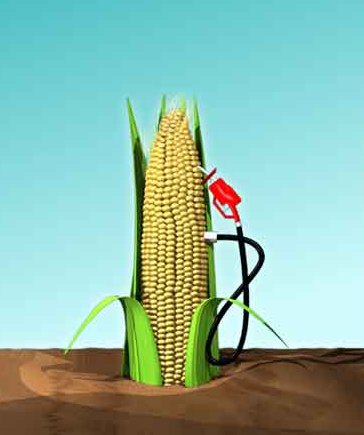
China Confidential writes, “When it comes to biofuels–especially corn-based ethanol–the jury is in. What is supposed to be a universally accepted human right–namely, the right to adequate food for the world’s 854 million hungry people–is being threatened by the mad conversion of wheat, sugar, soy–and corn–into fuel instead of food.
“It is a crime against humanity to convert agricultural productive soil into soil which produces food stuff that will be burned into biofuel,” Jean Ziegler, the UN special rapporteur on the Right to Food, recently told reporters.
“I am gravely concerned that biofuels will bring hunger in their wake,” he said, branding the “sudden, ill-conceived dash to convert food” into fuels “is a recipe for disaster.”
In a 23-page report to the UN General Assembly, Ziegler called on the 192 member states to establish a five-year moratorium on all initiatives to develop biofuels through conversion of food.
“This should provide time for an assessment of the potential impact on the right to food, as well as on other social, environmental and human rights, and should ensure that biofuels do not produce hunger,” he said.
The People of the Corn Starve
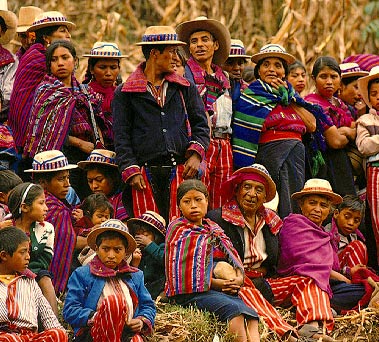
According to a recent by Louisa Reynolds, subsistence farmers along with Guatemala’s Maya (the People of the Corn) are already getting a feel of what the biofuel craze means for them.
“The United Nations Food and Agriculture Organization (FAO) estimates that ethanol production in the United States has increased four-fold since 2000, and that in 2006, 20 percent of the world’s yellow corn production was used to meet US demands for biofuel, which has pushed up prices on the world market.”
“China also consumes 3 to 5 million tons of ethanol a year and has recently set up four new processing plants.”
“Local corn prices began to soar early this year. Between January and March, the price of white corn in Guatemala shot up from US$180 to $320 per ton, a 78-percent increase in only three months.”
This has placed a heavy burden on everyone who depends on corn–especially during the “annual hunger season, a time when poor households have limited access to food, which began in April.”
“This year, as households ran out of food reserves from the harvest that ended in January, families had to depend on the market to purchase their food. Household cereal reserves from the harvest in early this year have been depleted, and there is a lack of wild fruits and herbs, causing households to depend almost exclusively on markets to purchase their food;” which of course they cannot afford to do.
This, coupled with rising oil prices and a low demand for unskilled labor–means that in the very near future, Guatemala’s indigenous People may be forced into starvation.
States, corporations, and environmentalists in particular would do well to think very carefully before they continue pushing the biofuel agenda forward. Otherwise, corn oil won’t be the only thing on their hands.
Across the world right now, Indigenous peoples are facing a renewed assault on their lands, rights, and ways of life.
From extractive industries pushing deeper into ancestral territories, to governments rolling back hard-won protections,
the threat is global—and it is growing.
What makes this moment especially dangerous is how little attention it receives.
Stories like this are disappearing in real time. Mainstream media
barely covers it and the coverage is fragmented. The public is left without the context
needed to understand what is truly at stake.
That is exactly why IC Magazine exists..
For more than 20 years, IC has reported on Indigenous struggles worldwide — consistently, independently, and without compromise.
We don’t follow news cycles; we trace patterns. We don’t sensationalize; we provide context.
And when the world looks away, we stay focused.
But this work is increasingly difficult to sustain.
We refuse to lock our reporting behind a paywall. We don’t sell access through subscriptions.
And we don’t answer to advertisers. IC Magazine survives solely because readers like you choose to
support independent Indigenous journalism.
Please donate today if you can. Every contribution helps us to continue this crucial work.
Thank you,
John Ahni Schertow
Founder and Editor in Chief