Last Updated on October 3, 2013
It is not uncommon among humanist milieus and publications to encounter arguments against tribalism as backward, hostile, and ignorant. Indeed, humanism is often posited as the antithesis of tribalism.Yet, some tribalism has led the way in the evolution of human rights.
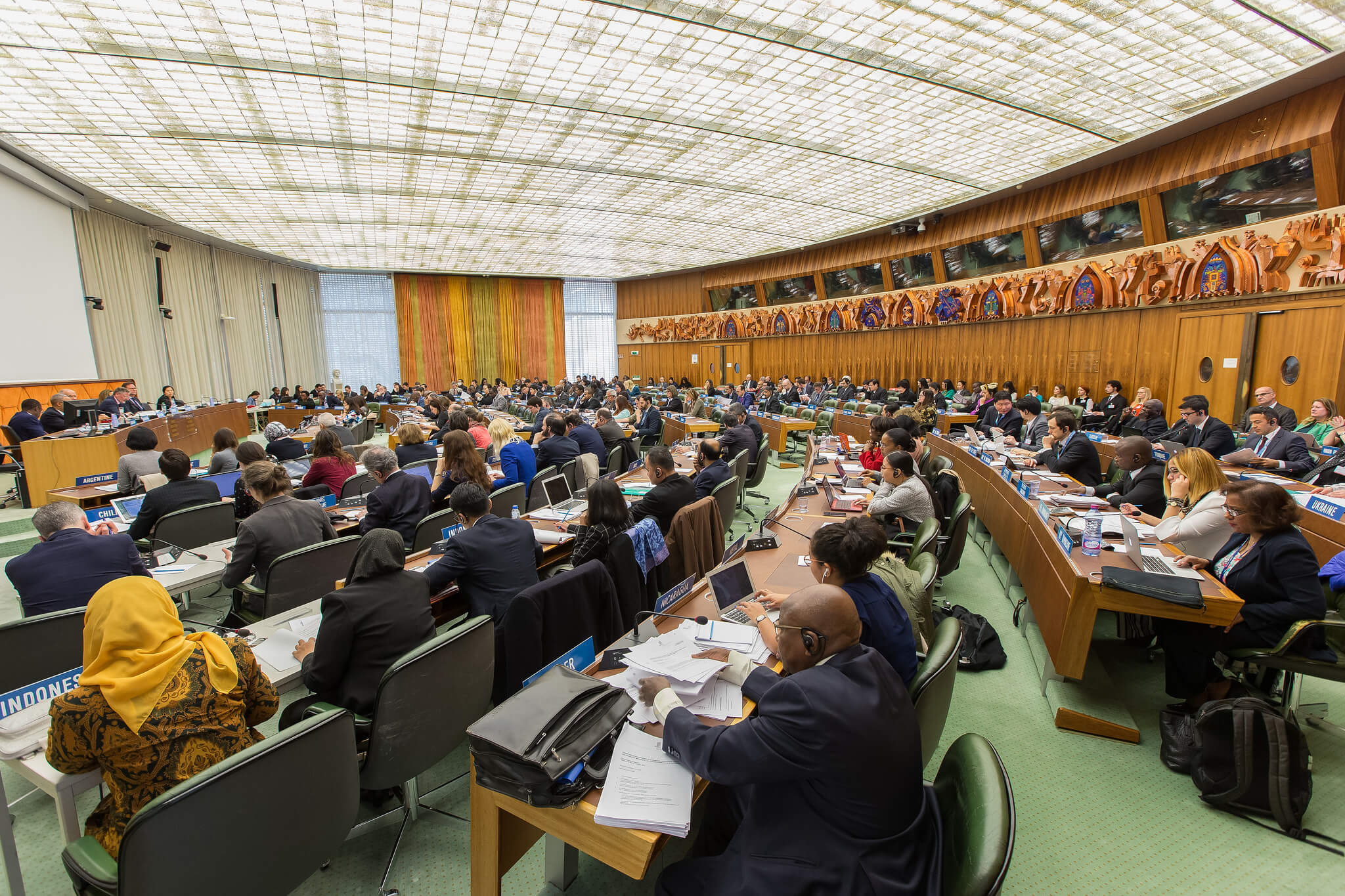
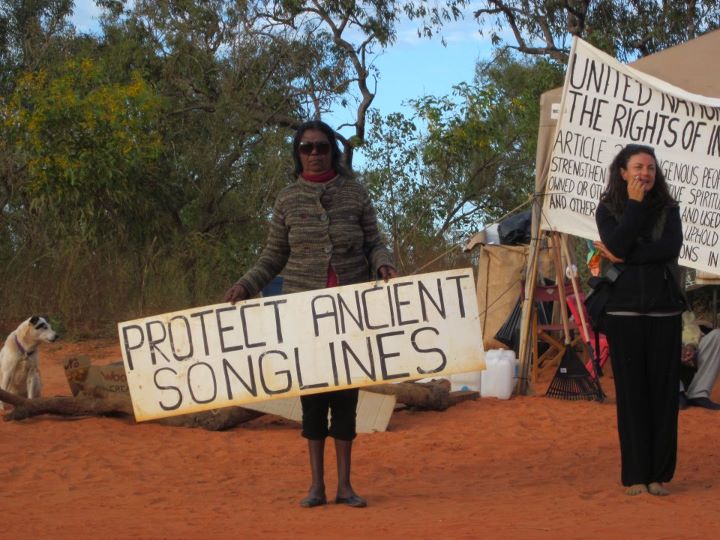
The 2007 UN Declaration on the Rights of Indigenous Peoples was the result of three decades of work begun by the World Council of Indigenous Peoples meeting in British Columbia in 1979. What could be more cosmopolitan than tribal leaders and scholars from all continents unifying to protect conservation cultures from states, markets,and transnational criminal enterprise?
Tribalism and humanism are, of course, not mutually exclusive. As some humanists observe, respectful relations based on generosity are key.
With reciprocity as an operating principle, tribal sovereignty and identity can be part of the strengthening of humanity through diversity. Multiculturalism, as such, brings with it the traditional knowledge essential to the survival of humankind.
One of the things the Internet has helped facilitate is a shared universal identity as members of a species under threat from man-made disasters: climate change, microbial metamorphosis, and nuclear annihilation comprising the most overwhelming. Adapting organizationally to meet these challenges requires cooperation, even beginning from a point of self-interest. Solidarity in this sense, forms a nexus where self-interest and universal demands overlap; working with others who demonstrate a commitment to the shared values inherent in bedrock first nations is simply common sense. Were this not so, tribal societies would not have bothered to develop such inclusive global networks in order to deal with these challenges. What is holding us back is not the extant aboriginal entities that preceded modern states, markets and religions by millenia, but rather the immature industrialized societies that have largely supplanted them.
Tribal heritage — including original languages, songs, dance and art — contain within them the stories of the journey of man. More than anything else, they are essential to what it means to be human. Erosion of this identity through diaspora, industrialization, and colonization has diminished our collective humanity. The recovery of this heritage in the Americas and elsewhere has begun to heal the historical cultural traumas, and indeed, formal tribal engagement with international institutions like the EU, UN and OAS, has demonstrated the benefit of formerly excluded traditional knowledge to the survival of humankind.
Even for Euro-Americans, discovering tribal heritage can be an enriching and enlightening experience. One which illustrates the importance of autonomy in such things as education and governance for ancient nations like Sami, Scotland, Pais Basque and Slovenia. Celebrating diversity in tribal heritage is the foundation of multiculturalism; mandating the homogeneity of industrialism is not only anathema to indigenous values, it is also suicidal for all humankind.
In the ongoing conflict between industrial and indigenous societies, it is helpful to remember who initially attacked whom. Conflict resolution requires acknowledging past wrongs by making amends in the present. Until industrial societies stop attacking tribal peoples, nothing fundamental can be achieved by international institutions.
Across the world right now, Indigenous peoples are facing a renewed assault on their lands, rights, and ways of life.
From extractive industries pushing deeper into ancestral territories, to governments rolling back hard-won protections,
the threat is global—and it is growing.
What makes this moment especially dangerous is how little attention it receives.
Stories like this are disappearing in real time. Mainstream media
barely covers it and the coverage is fragmented. The public is left without the context
needed to understand what is truly at stake.
That is exactly why IC Magazine exists..
For more than 20 years, IC has reported on Indigenous struggles worldwide — consistently, independently, and without compromise.
We don’t follow news cycles; we trace patterns. We don’t sensationalize; we provide context.
And when the world looks away, we stay focused.
But this work is increasingly difficult to sustain.
We refuse to lock our reporting behind a paywall. We don’t sell access through subscriptions.
And we don’t answer to advertisers. IC Magazine survives solely because readers like you choose to
support independent Indigenous journalism.
Please donate today if you can. Every contribution helps us to continue this crucial work.
Thank you,
John Ahni Schertow
Founder and Editor in Chief