
Last Updated on April 9, 2025
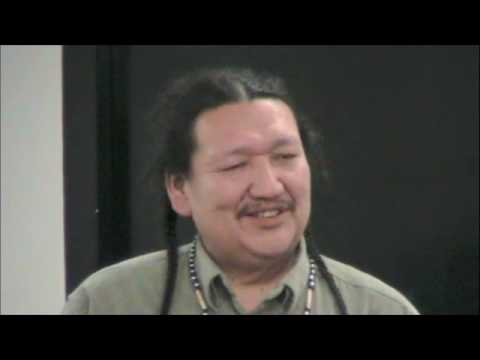
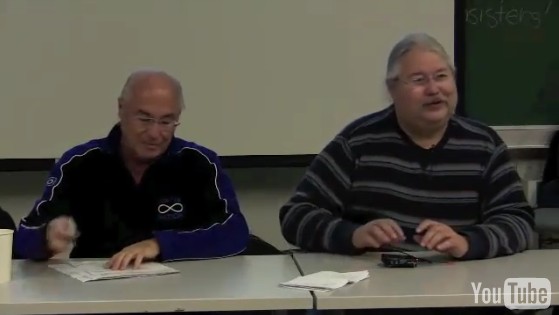
Russell Diabo, a member of the Mohawk Nation at Kahnawake, talks about “Canada’s War on First Nations”. This talk was a part of Indigenous Sovereignty Week 2010 in Ottawa, unceded and unsurrendered Algonquin Territory.
Russell Diabo is a member of the Mohawk Nation at Kahnawake, Quebec. He worked as an Advisor to the Algonquins of Barrier Lake. He was a founding member of the Defenders of the Land Network, also bringing his experience as editor of the First Nations Strategic Bulletin.
In his talk, Russell Diabo explores various aspects of Canada’s war on the Innu, Haudenosaunee, Algonquin, Cree, Dakelh, Miq’maq, Inuit, Metis and other Indigenous Peoples in Canada.
Even though this war has been going on for centuries, it is no longer a conventional war, like the kind we see on television. Rather than battlefields, this “war” is waged from lush offices buildings around the country. And rather than rifles and grenade launchers, Canada’s weapon of choice is nothing more than pen (though they reserve the right to use guns whenever they see fit).
In any event, one thing that hasn’t changed is Canada’s goal in the war. Whether we’re talking about Residential Schools or BC Treaties, that goal has always been to extinguish the Indigenous population legally, culturally, economically, and politically.
To learn more about some of the specific issues that Russell Diabo brings up in his talk, including Harper’s plan to “privatize” reserves and AFN’s recent proposal to remove the Indian Act, spend some time reading the First Nations Strategic Bulletin. Here’s the two lasted editions:
You may also want to watch:
Across the world right now, Indigenous peoples are facing a renewed assault on their lands, rights, and ways of life.
From extractive industries pushing deeper into ancestral territories, to governments rolling back hard-won protections,
the threat is global—and it is growing.
What makes this moment especially dangerous is how little attention it receives.
Stories like this are disappearing in real time. Mainstream media
barely covers it and the coverage is fragmented. The public is left without the context
needed to understand what is truly at stake.
That is exactly why IC Magazine exists..
For more than 20 years, IC has reported on Indigenous struggles worldwide — consistently, independently, and without compromise.
We don’t follow news cycles; we trace patterns. We don’t sensationalize; we provide context.
And when the world looks away, we stay focused.
But this work is increasingly difficult to sustain.
We refuse to lock our reporting behind a paywall. We don’t sell access through subscriptions.
And we don’t answer to advertisers. IC Magazine survives solely because readers like you choose to
support independent Indigenous journalism.
Please donate today if you can. Every contribution helps us to continue this crucial work.
Thank you,
John Ahni Schertow
Founder and Editor in Chief