Last Updated on May 19, 2019
A Federal judge in Brazil has suspended work on the controversial Belo Monte dam project, citing concerns that it would impact local fish stocks and harm indigenous peoples who rely on fishing.
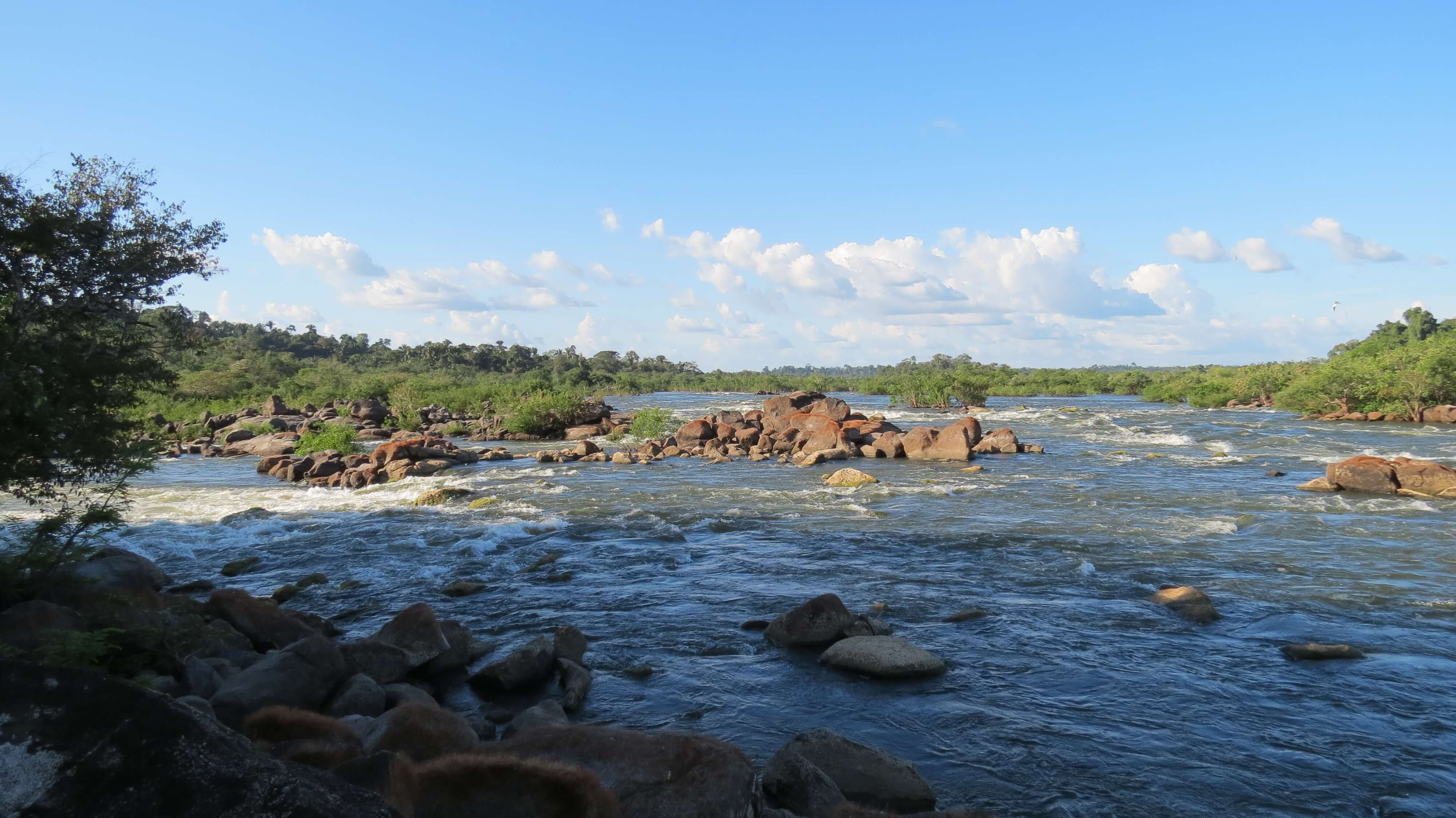
In his ruling, Judge Carlos Castro Martins explicitly forbade Norte Energia, the consortium behind the dam, from “building a port, using explosives, installing dikes, building canals and any other infrastructure work that would interfere with the natural flow of the Xingu river, thereby affecting local fish stocks” .
Judge Martins also warned Norte Energia that it will face a daily fine of over US$100,000 if it fails to comply with the ruling.
However, according to the BBC, any work on the dam that wouldn’t effect local fishing can still continue, including the construction of “accommodation blocks for the project’s many workers”.
The consortium is also expected to appeal the ruling, even though it protects thousands of Indigenous Peoples and others in the Amazon region who rely on the Xingu river for subsistence.
The Belo Monte dam would divert about 80% the Xingu river, flooding about 500 square kilometers of the Amazon rainforest and displacing more than 20,000 people.
In June of this year, Brazil’s environmental agency, IMBAMA, granted a license for the dam’s construction by dismissing these and many other impacts and risks stemming from the project.
Four months earlier, another federal judge said no to the construction, until the government met 29 environmental and social conditions. The government still has not met those conditions.
Stop the Belo Monte Monster Dam! Send a message to Brazilian president Dilma Rousseff, urging her to defend the Amazon and its people by stopping the Belo Monte Dam!
Across the world right now, Indigenous peoples are facing a renewed assault on their lands, rights, and ways of life.
From extractive industries pushing deeper into ancestral territories, to governments rolling back hard-won protections,
the threat is global—and it is growing.
What makes this moment especially dangerous is how little attention it receives.
Stories like this are disappearing in real time. Mainstream media
barely covers it and the coverage is fragmented. The public is left without the context
needed to understand what is truly at stake.
That is exactly why IC Magazine exists..
For more than 20 years, IC has reported on Indigenous struggles worldwide — consistently, independently, and without compromise.
We don’t follow news cycles; we trace patterns. We don’t sensationalize; we provide context.
And when the world looks away, we stay focused.
But this work is increasingly difficult to sustain.
We refuse to lock our reporting behind a paywall. We don’t sell access through subscriptions.
And we don’t answer to advertisers. IC Magazine survives solely because readers like you choose to
support independent Indigenous journalism.
Please donate today if you can. Every contribution helps us to continue this crucial work.
Thank you,
John Ahni Schertow
Founder and Editor in Chief