Last Updated on January 14, 2012
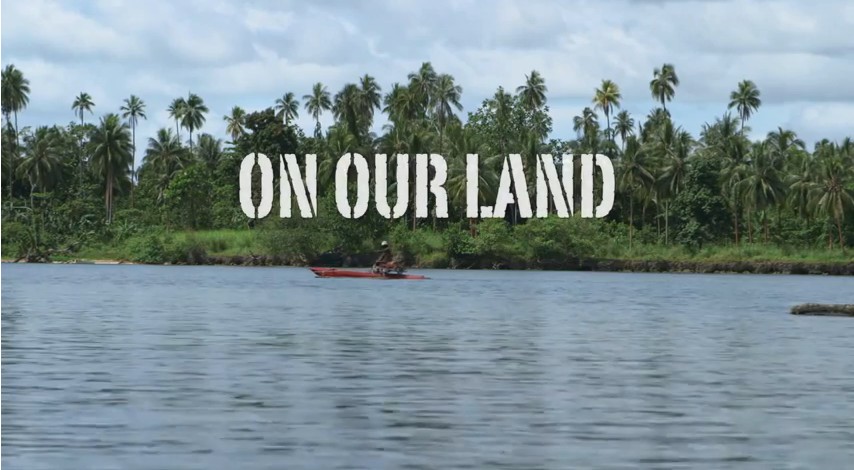
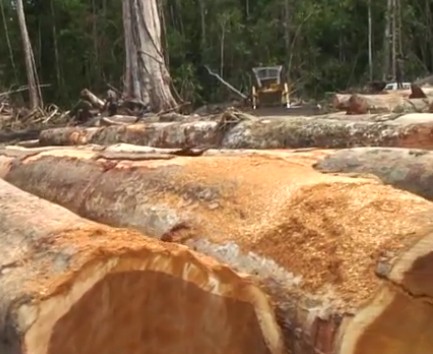
Bikpela Bagarap reveals the human face of logging in Papua New Guinea.
Filmed undercover, it is a tale of exploitation and broken promises, where local people are treated as second-rate citizens in their own country by Malaysian logging companies and corrupt politicians.
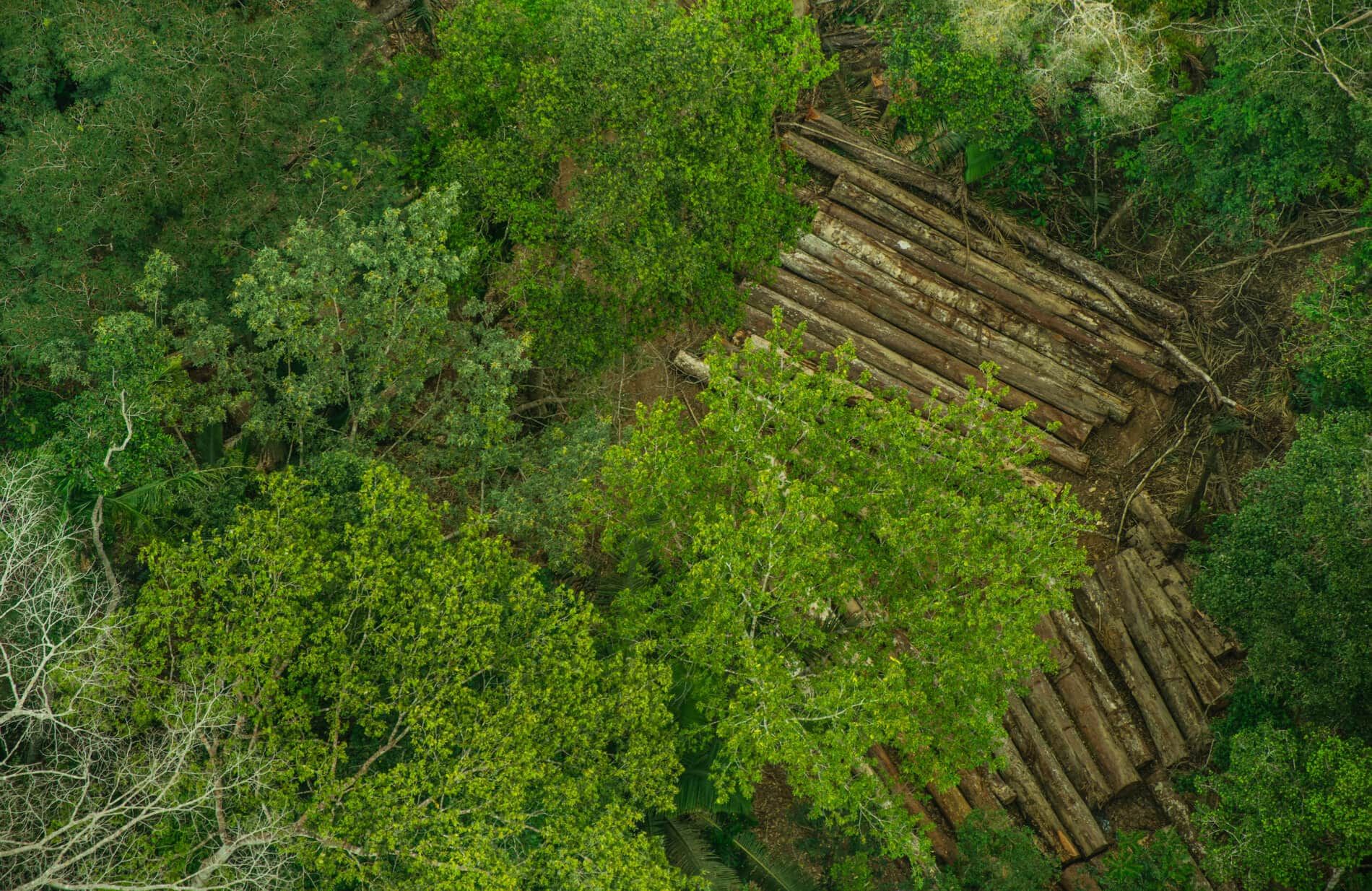
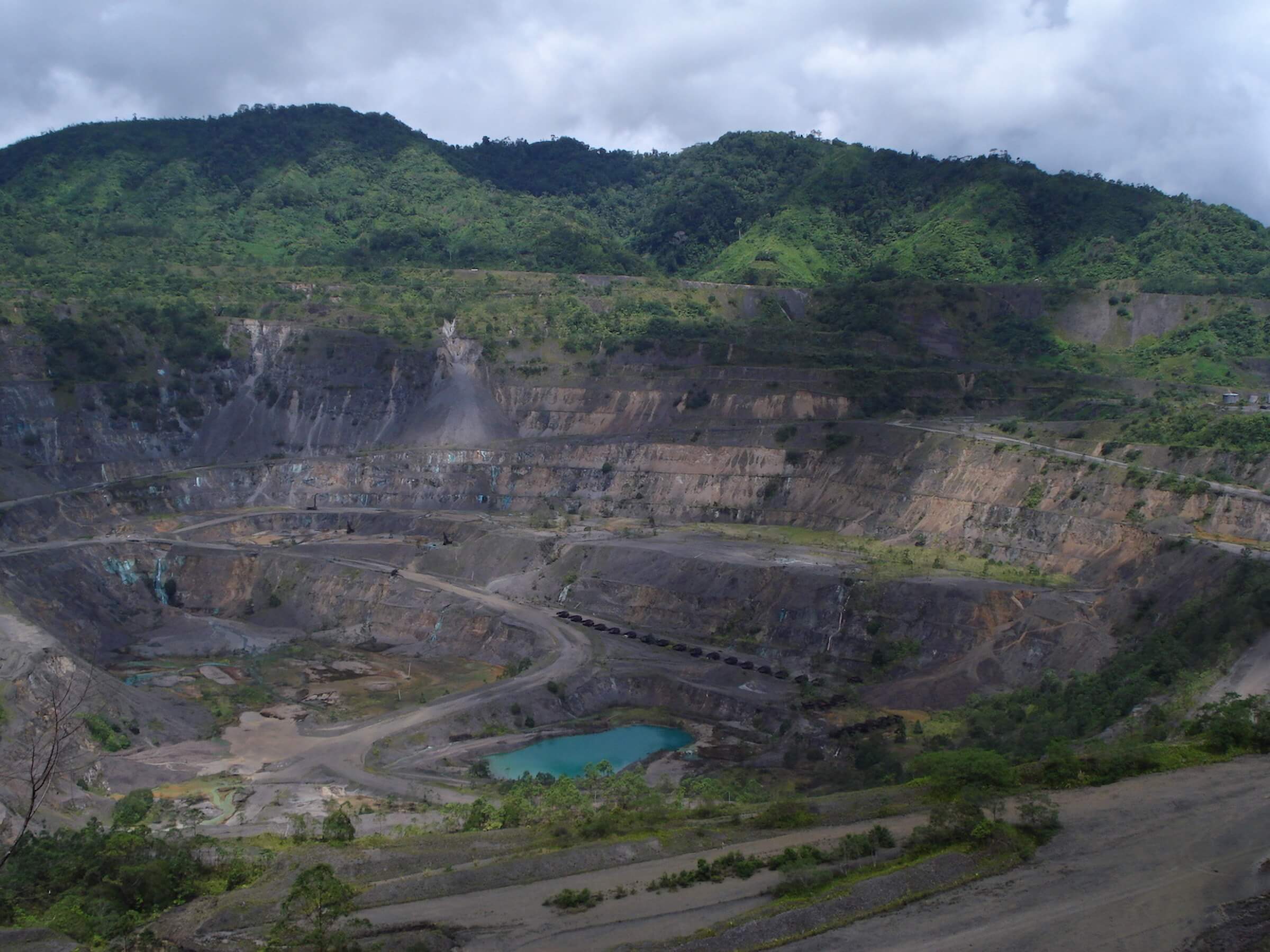
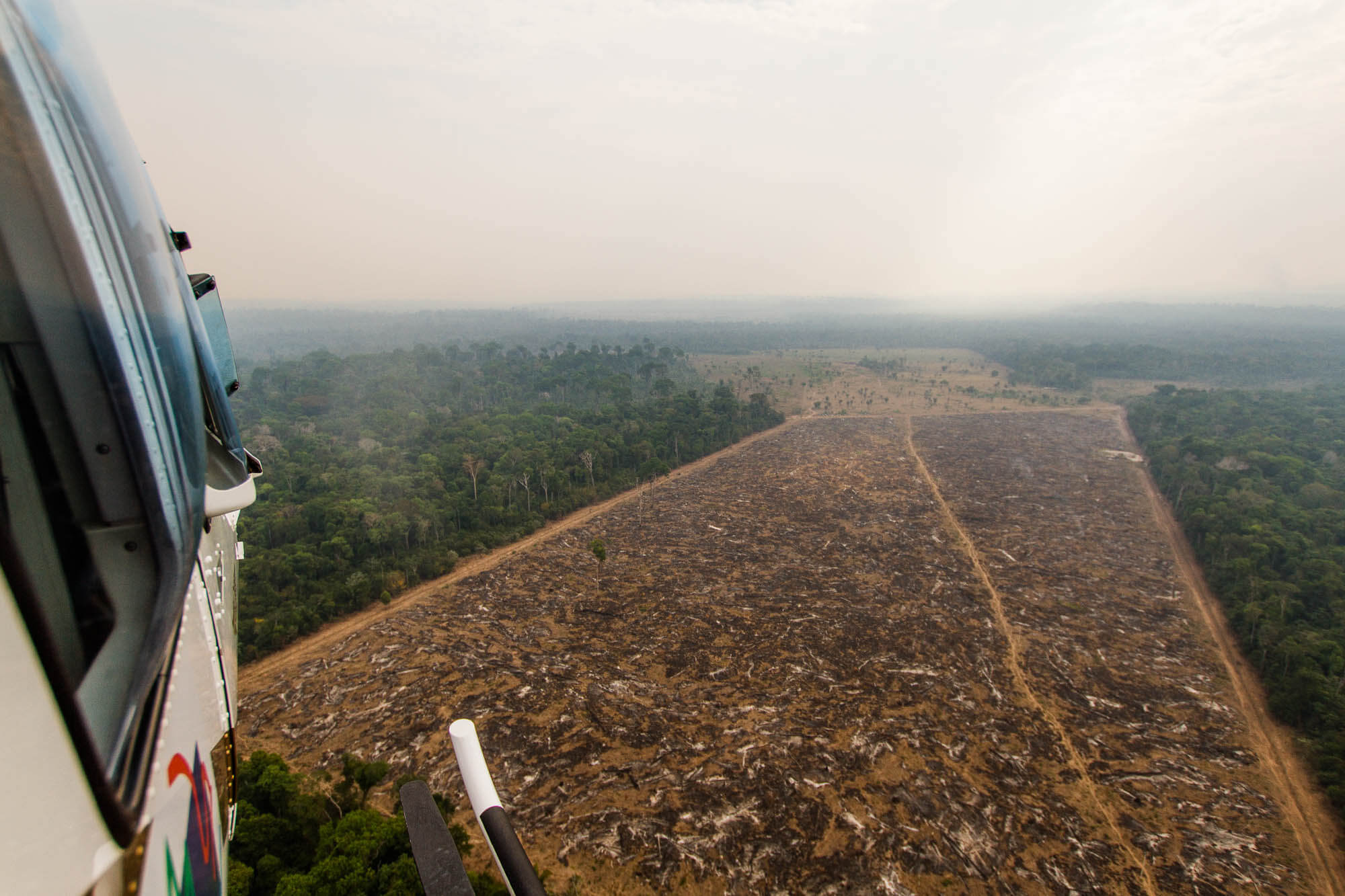
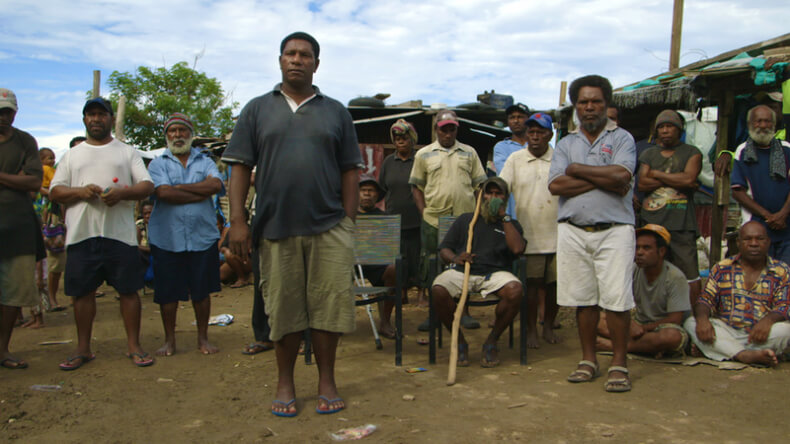
Customary landowners are forced into signing documents they don’t understand, for the promise of “development” – fresh water, health and education, but these essential services are rarely provided. Instead, their traditional hunting grounds are destroyed, waterways polluted, and their way of life ruined forever.
Filmmaker David Fedele spent almost three months travelling solo in Sandaun Province, Papua New Guinea, in order to film Bikpela Bagarap. Based in Vanimo town, David travelled extensively into the jungle visiting local villages and exploring current and past logging operations. A lot of time was also spent in two of the main logging camps in Sandaun Province – Maka Basecamp and Amanab 56 Basecamp.
Watch this film on Vimeo: English – French – German
For background or more information about the film, visit http://www.bikpelabagarap.com/
Note from the filmmaker
Bikpela Bagarap / Big Damage has been independently produced and funded. If you have been moved in any way by the film or the issues that it presents, please take it upon yourself to raise and spread awareness about the situation in Papua New Guinea.
The full film is available to watch for free on this website, and I am relying on YOU to spread the word. Please feel free to use social media to make people aware of this film/website and also follow/like on Facebook to help this film reach as wide an audience as possible.
“If a tree falls in a forest and no one hears it, it doesn’t make a sound”.
Across the world right now, Indigenous peoples are facing a renewed assault on their lands, rights, and ways of life.
From extractive industries pushing deeper into ancestral territories, to governments rolling back hard-won protections,
the threat is global—and it is growing.
What makes this moment especially dangerous is how little attention it receives.
Stories like this are disappearing in real time. Mainstream media
barely covers it and the coverage is fragmented. The public is left without the context
needed to understand what is truly at stake.
That is exactly why IC Magazine exists..
For more than 20 years, IC has reported on Indigenous struggles worldwide — consistently, independently, and without compromise.
We don’t follow news cycles; we trace patterns. We don’t sensationalize; we provide context.
And when the world looks away, we stay focused.
But this work is increasingly difficult to sustain.
We refuse to lock our reporting behind a paywall. We don’t sell access through subscriptions.
And we don’t answer to advertisers. IC Magazine survives solely because readers like you choose to
support independent Indigenous journalism.
Please donate today if you can. Every contribution helps us to continue this crucial work.
Thank you,
John Ahni Schertow
Founder and Editor in Chief