
Last Updated on May 20, 2019
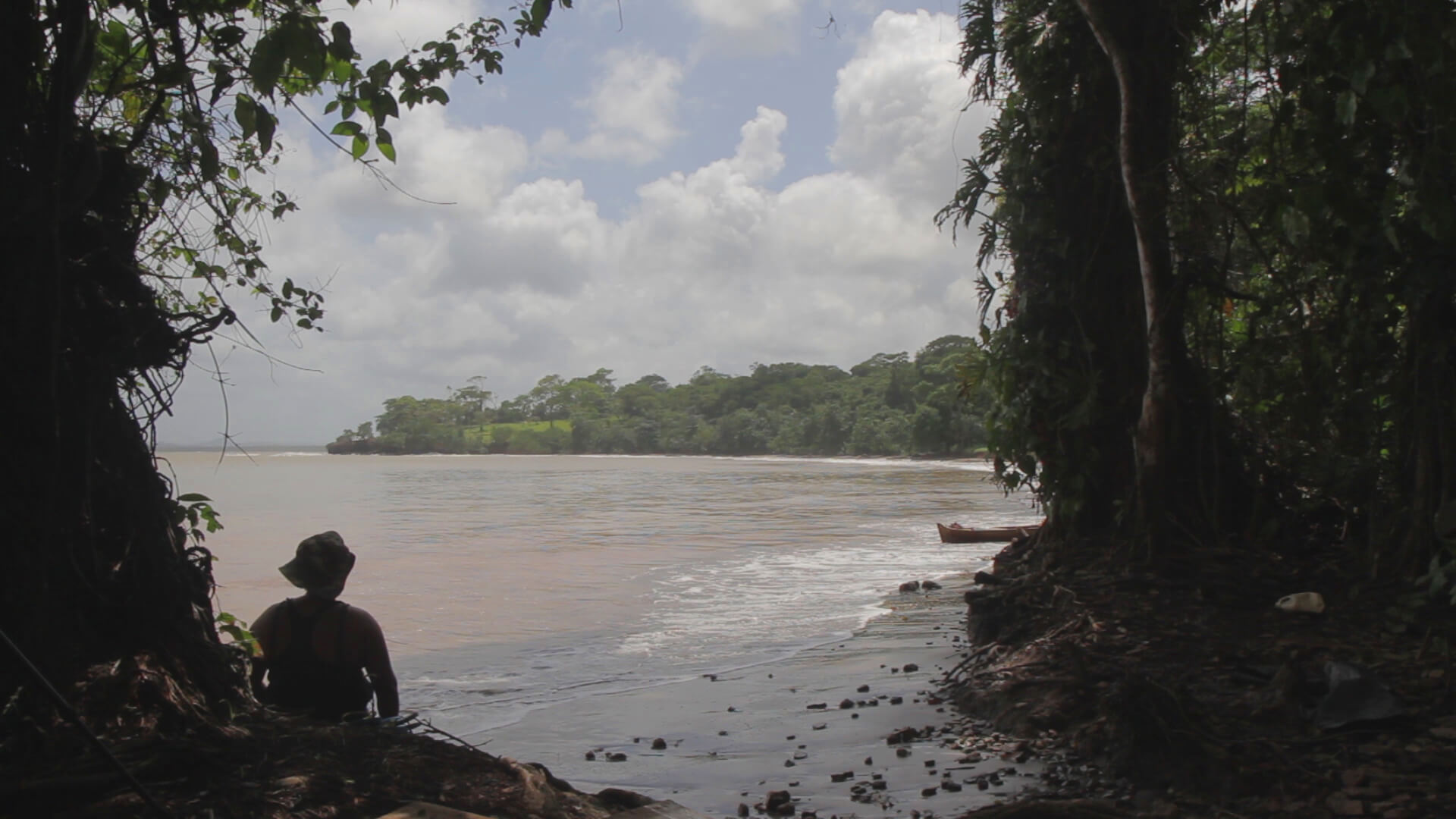
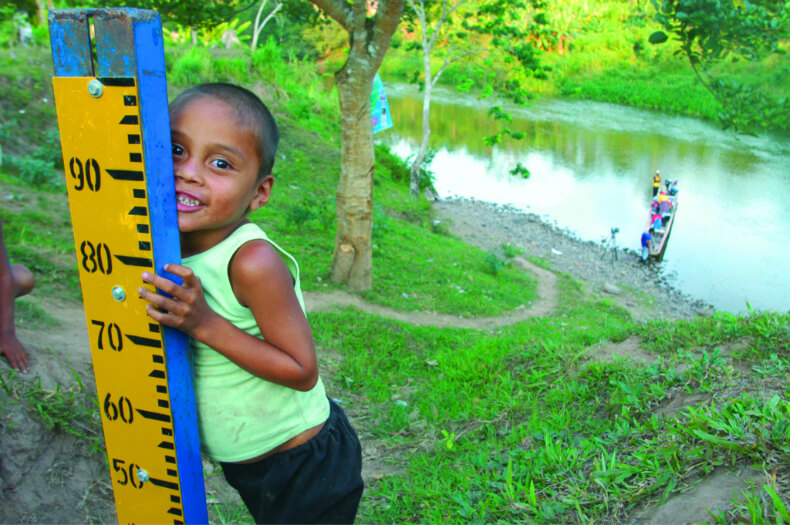
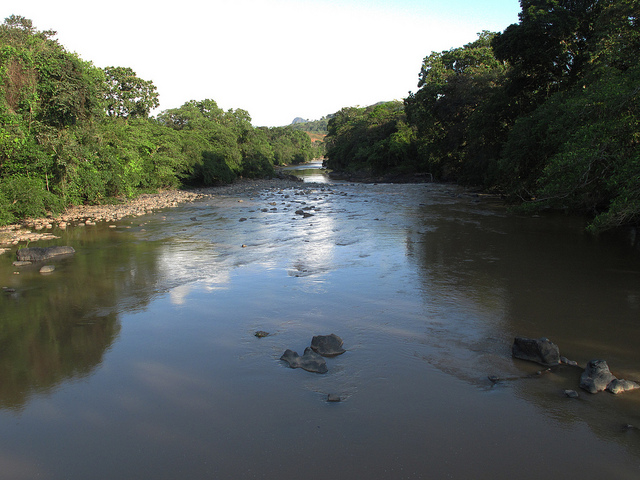
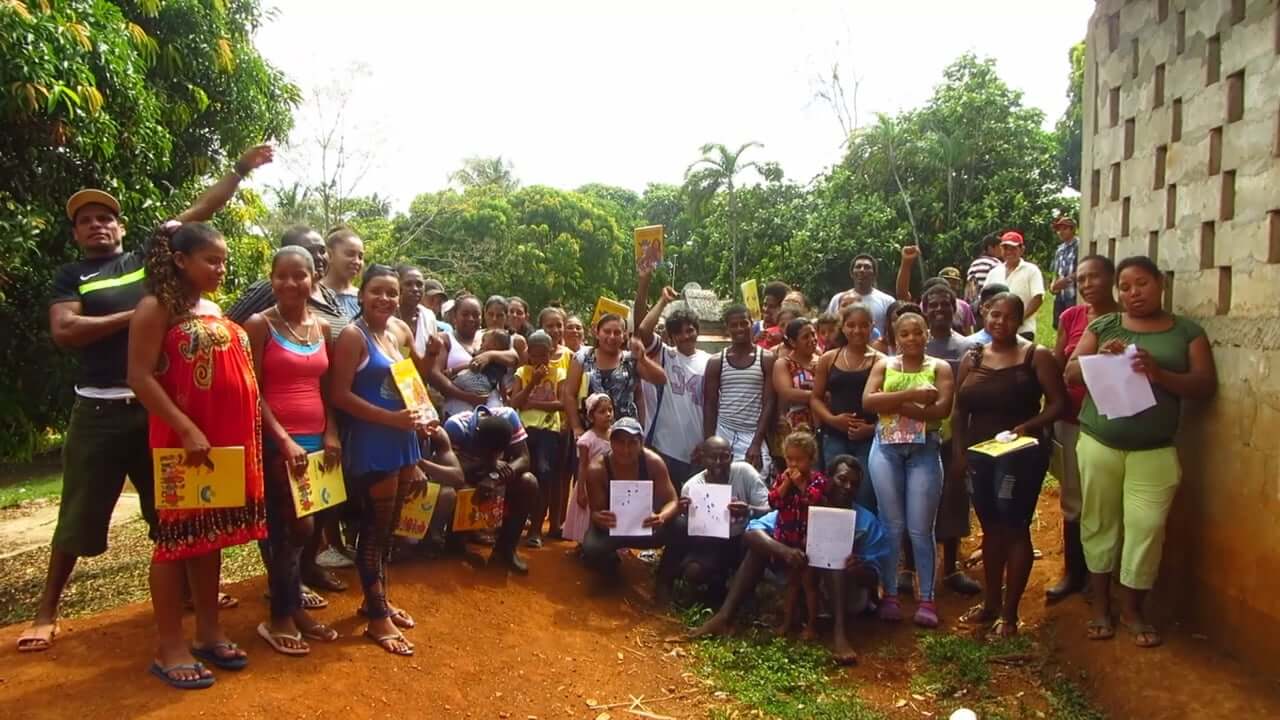
The Southern Autonomous Region of Nicaragua is home to 9 indigenous and afro-descendant communities represented by the Rama-Kriol Territorial Government.
On May 3, 2016 Rama-Kriol Territorial President Hector Thomas signed an agreement with the Nicaraguan Canal Development Commission giving consent for the indefinite lease of 173km of communal land to develop the canal.
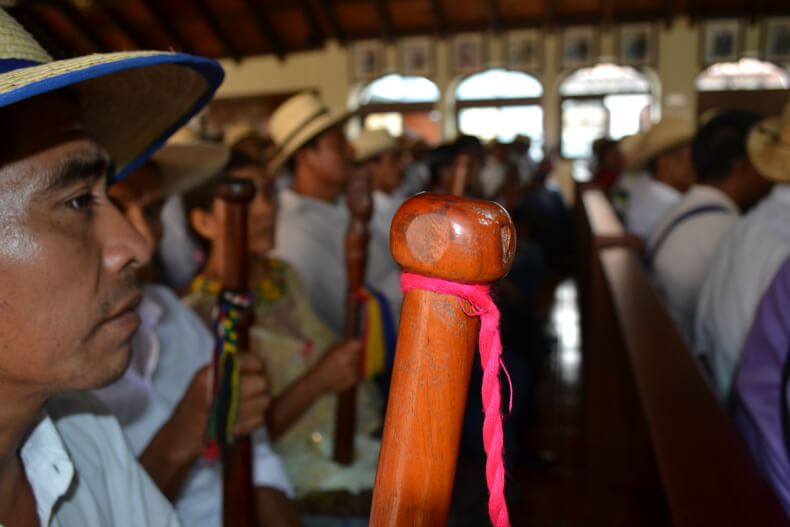
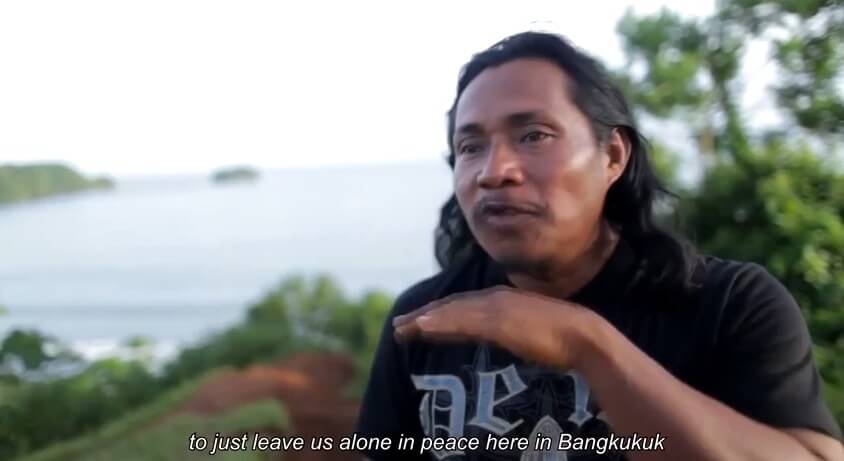
Communal representatives have denounced this action, claiming they have not been consulted and have not seen the terms of the agreement, which would remove several communities from their ancestral land.
According to international law (ILO Convenant 169 & The UN Declaration for the Rights of Indigenous Peoples) the government must obtain the free, prior and informed consent of the communities to use their land.
Over the past month, community members have given documented testimony and are organizing a formal legal appeal against this illegal land concession.
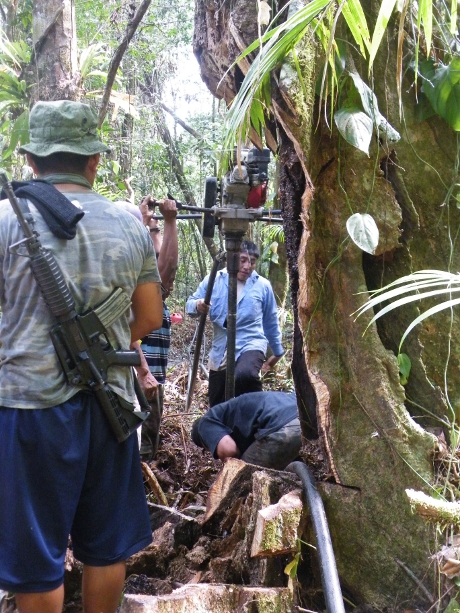
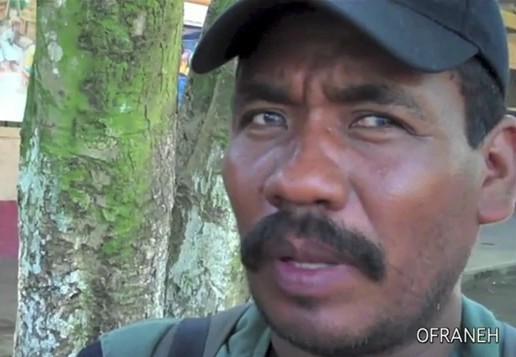
This short film documents this series of events and the response of the communities.
Across the world right now, Indigenous peoples are facing a renewed assault on their lands, rights, and ways of life.
From extractive industries pushing deeper into ancestral territories, to governments rolling back hard-won protections,
the threat is global—and it is growing.
What makes this moment especially dangerous is how little attention it receives.
Stories like this are disappearing in real time. Mainstream media
barely covers it and the coverage is fragmented. The public is left without the context
needed to understand what is truly at stake.
That is exactly why IC Magazine exists..
For more than 20 years, IC has reported on Indigenous struggles worldwide — consistently, independently, and without compromise.
We don’t follow news cycles; we trace patterns. We don’t sensationalize; we provide context.
And when the world looks away, we stay focused.
But this work is increasingly difficult to sustain.
We refuse to lock our reporting behind a paywall. We don’t sell access through subscriptions.
And we don’t answer to advertisers. IC Magazine survives solely because readers like you choose to
support independent Indigenous journalism.
Please donate today if you can. Every contribution helps us to continue this crucial work.
Thank you,
John Ahni Schertow
Founder and Editor in Chief