Last Updated on April 10, 2025
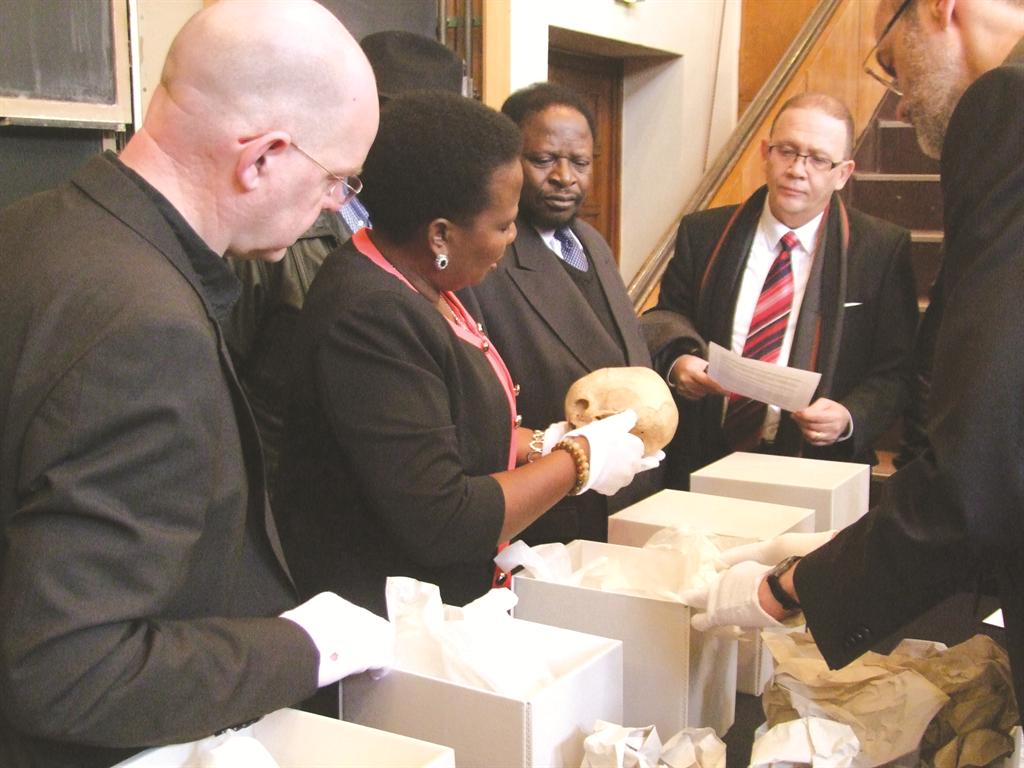
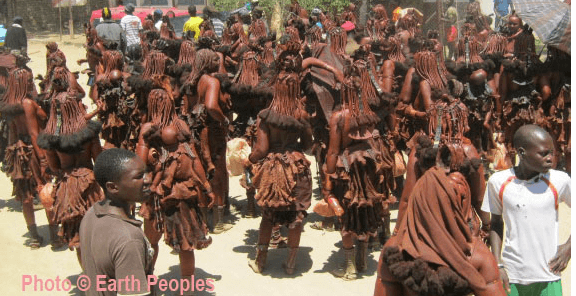
Colonialism Reparation supports the class action lawsuit filed by Herero and Nama to get reparations for their genocide and calls for Germany to present as soon as possible apologies and compensations for the crimes committed.
The Congress Restorative Justice after Genocide was held in Berlin, capital of Germany, from 14 to 16 October 2016 with the participation of about fifty Ovaherero and Nama delegates. The congress ended with the approval of the Berlin Resolution 2016, declaring critical debate about the genocide a global task and a subject for society as a whole, besides the demands for an official recognition of the genocides, a sincere apology by the German Parliament and Government and negotiations on reparations with the Ovaherero and Nama representatives from Namibia and their diaspora.
On January 5, 2017 the Ovaherero Paramount Chief Vekuii Rukoro and the Chairman of the Nama Traditional Authorities Association David Frederick, after having repeatedly petitioned the German Government to include them in the ongoing discussions without success, have filed a class action lawsuit in the Federal court in New York to get collective reparations and the right to be present at the ongoing negotiations between the German and Namibian Government. The news has had great diffusion, as well as in Germany and Namibia, also at international level (Al Jazeera, BBC, Daily Sabah, Deutsche Welle, Il Post, Jeune Afrique, Le Monde, Reuters, Russia Today, Sky, Sputnik, The Guardian, etc.).
Colonialism Reparation supports the class action lawsuit filed by Herero and Nama to get reparations for their genocide and calls for Germany to present as soon as possible apologies and compensations for the crimes committed involving the victims people in the negotiations.
###
For further information, inquiries and interviews:
Colonialism Reparation http://www.colonialismreparation.org/
Press Office: media@colonialismreparation.org
Across the world right now, Indigenous peoples are facing a renewed assault on their lands, rights, and ways of life.
From extractive industries pushing deeper into ancestral territories, to governments rolling back hard-won protections,
the threat is global—and it is growing.
What makes this moment especially dangerous is how little attention it receives.
Stories like this are disappearing in real time. Mainstream media
barely covers it and the coverage is fragmented. The public is left without the context
needed to understand what is truly at stake.
That is exactly why IC Magazine exists..
For more than 20 years, IC has reported on Indigenous struggles worldwide — consistently, independently, and without compromise.
We don’t follow news cycles; we trace patterns. We don’t sensationalize; we provide context.
And when the world looks away, we stay focused.
But this work is increasingly difficult to sustain.
We refuse to lock our reporting behind a paywall. We don’t sell access through subscriptions.
And we don’t answer to advertisers. IC Magazine survives solely because readers like you choose to
support independent Indigenous journalism.
Please donate today if you can. Every contribution helps us to continue this crucial work.
Thank you,
John Ahni Schertow
Founder and Editor in Chief