
Last Updated on September 24, 2018
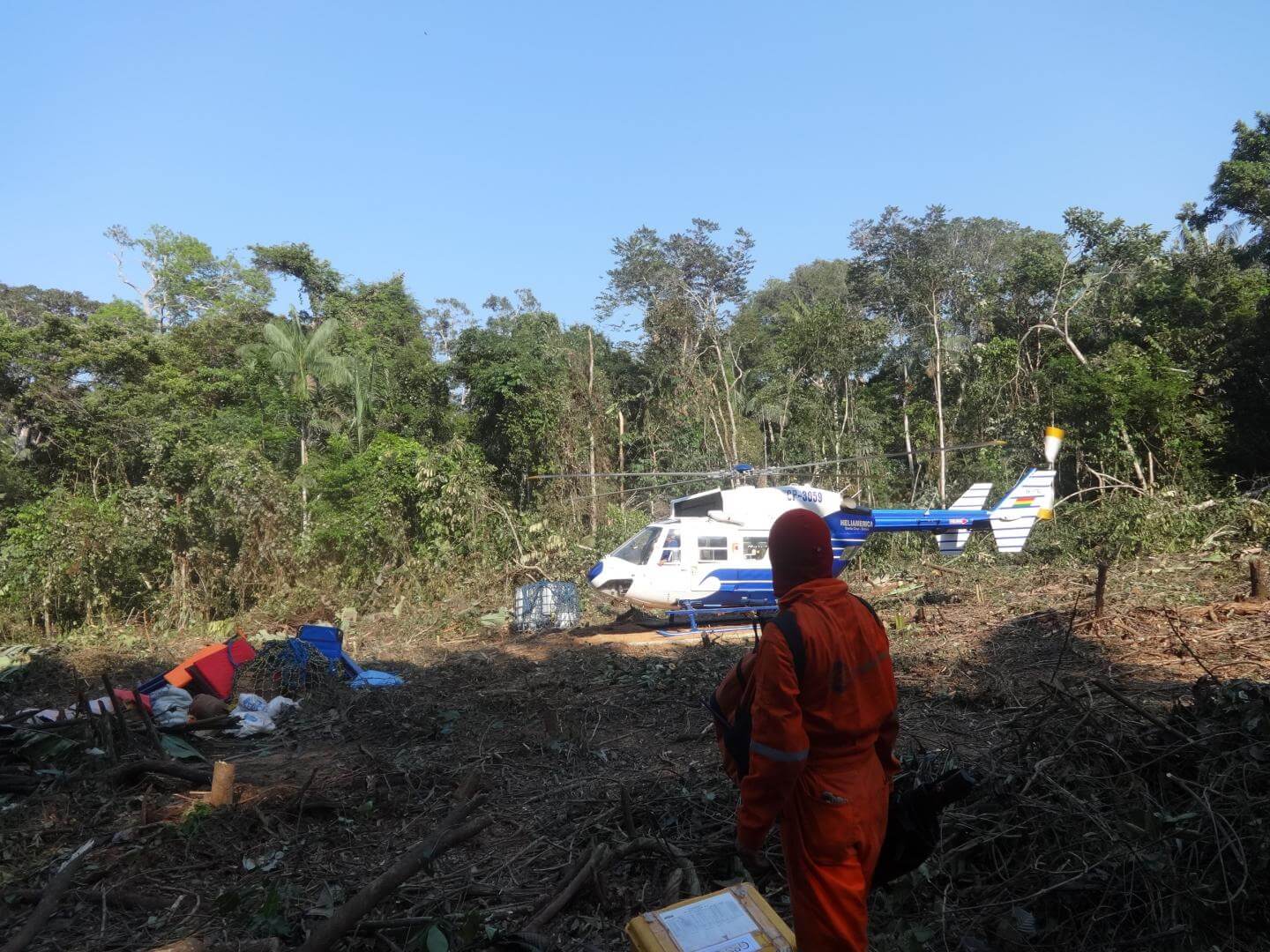
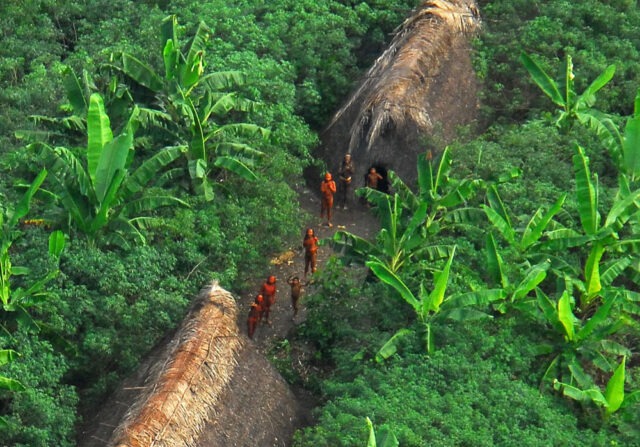
RIO DE JANEIRO – Ilegal loggers and militias cleared an area three times the size of Gibraltar in Brazil’s Amazon this year, threatening an “uncontacted” indigenous tribe, activists said on Tuesday.
Satellite imagery collected by Instituto Socioambiental (ISA), a Brazilian advocacy group, detected about 4,600 acres (1,863 hectares) of deforestation this year in the Ituna Itata indigenous land in northern Para state.
“This situation is very worrying,” Juan Doblas, senior geo-processing analyst at ISA, told the Thomson Reuters Foundation.
“There is a series of risks, not only to indigenous territories of uncontacted tribes, but also to other indigenous territories in the area.”
The indigenous affairs agency Funai and the federal police were not immediately available to comment. The environmental protection agency Ibama said in a statement that official data on Amazon deforestation will be released in November.
Brazil’s uncontacted tribes, some of the last on earth, depend on large areas of unspoiled forest land to hunt animals and gather the food they need to survive.
They are particularly vulnerable when their land rights are threatened because they lack the natural immunity to diseases that are carried by outsiders, rights groups say.
Forest loss in Ituna Itata – from which outsiders were banned in 2011 to protect the uncontacted tribe – spiked to about 2,000 acres in August from 7 acres in May, said ISA, which has monitored the area through satellites since January.
South America’s largest country is grappling with scores of deadly land conflicts, illustrating the tensions between preserving indigenous culture and economic development.
ISA filed a complaint in April to federal and state authorities about forest destruction and illegal logging in the area during the rainy season, which is unusual, said Doblas.
“It was a sign that something very serious was going to happen,” he said. “It was a preparation for the invasion.”
The environmental protection agency Ibama responded by sending in patrols in May, which temporarily halted the logging, he said, adding that ISA plans to file another complaint this week, using updated data and satellite images.
Across the world right now, Indigenous peoples are facing a renewed assault on their lands, rights, and ways of life.
From extractive industries pushing deeper into ancestral territories, to governments rolling back hard-won protections,
the threat is global—and it is growing.
What makes this moment especially dangerous is how little attention it receives.
Stories like this are disappearing in real time. Mainstream media
barely covers it and the coverage is fragmented. The public is left without the context
needed to understand what is truly at stake.
That is exactly why IC Magazine exists..
For more than 20 years, IC has reported on Indigenous struggles worldwide — consistently, independently, and without compromise.
We don’t follow news cycles; we trace patterns. We don’t sensationalize; we provide context.
And when the world looks away, we stay focused.
But this work is increasingly difficult to sustain.
We refuse to lock our reporting behind a paywall. We don’t sell access through subscriptions.
And we don’t answer to advertisers. IC Magazine survives solely because readers like you choose to
support independent Indigenous journalism.
Please donate today if you can. Every contribution helps us to continue this crucial work.
Thank you,
John Ahni Schertow
Founder and Editor in Chief