
Last Updated on November 1, 2025
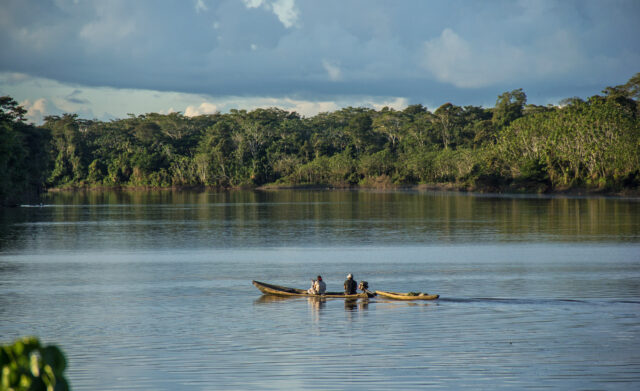
A new report by Survival International warns that social media influencers and online content creators are emerging as a dangerous new threat to some of the world’s most isolated Indigenous peoples.
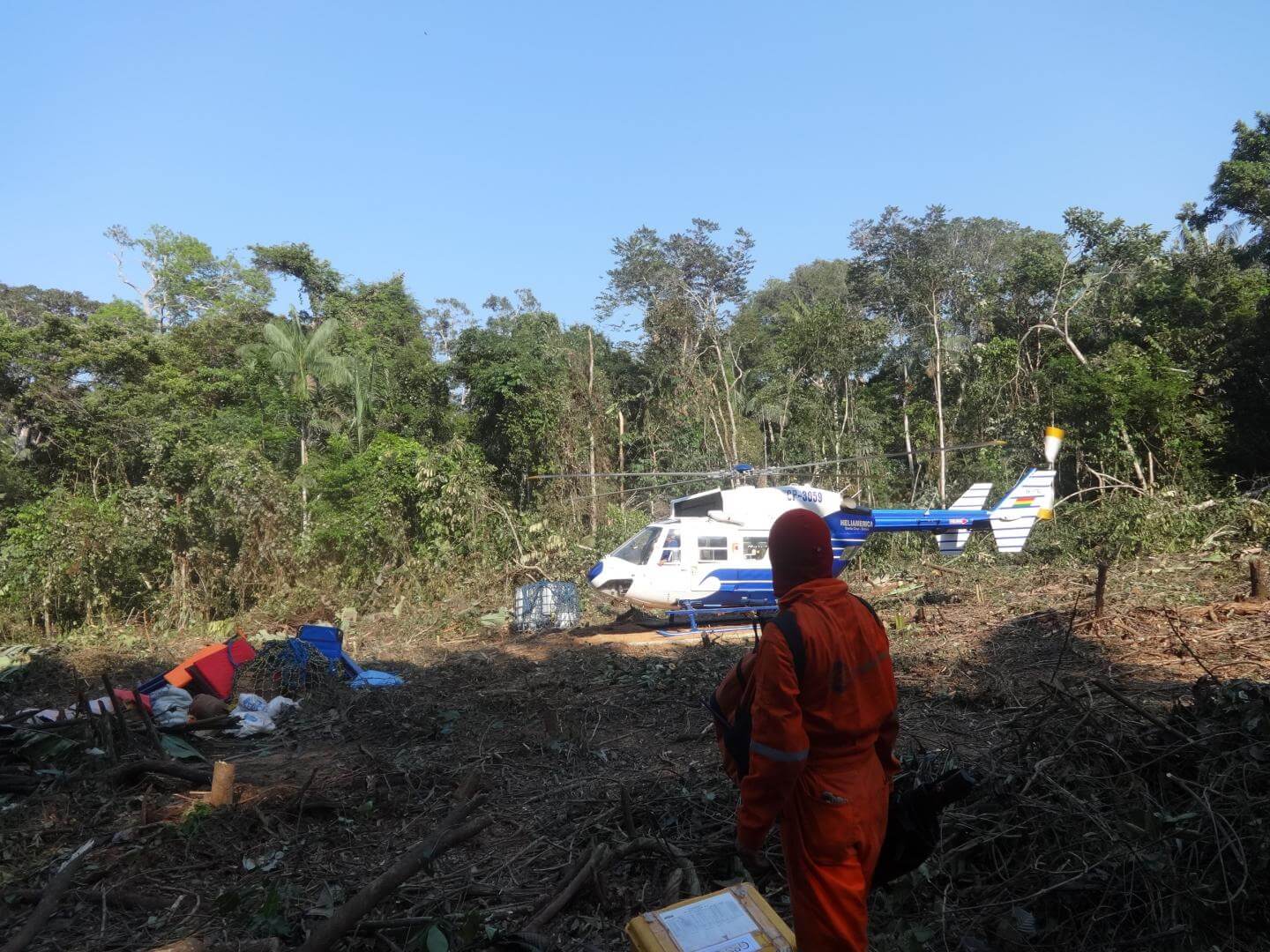
Echoing the exploitative spectacle of 19th-century human zoos, travel influencers, vloggers, and self-described “adventurers” have begun entering restricted Indigenous territories in search of attention-grabbing footage. Many of these areas are legally off-limits because of the risk that outsiders could introduce diseases that isolated peoples have no immunity against.
“The results of contact are catastrophic,” writes Survival International. “The devastating and predictable deaths of children, parents, siblings, and friends on a genocidal scale.”
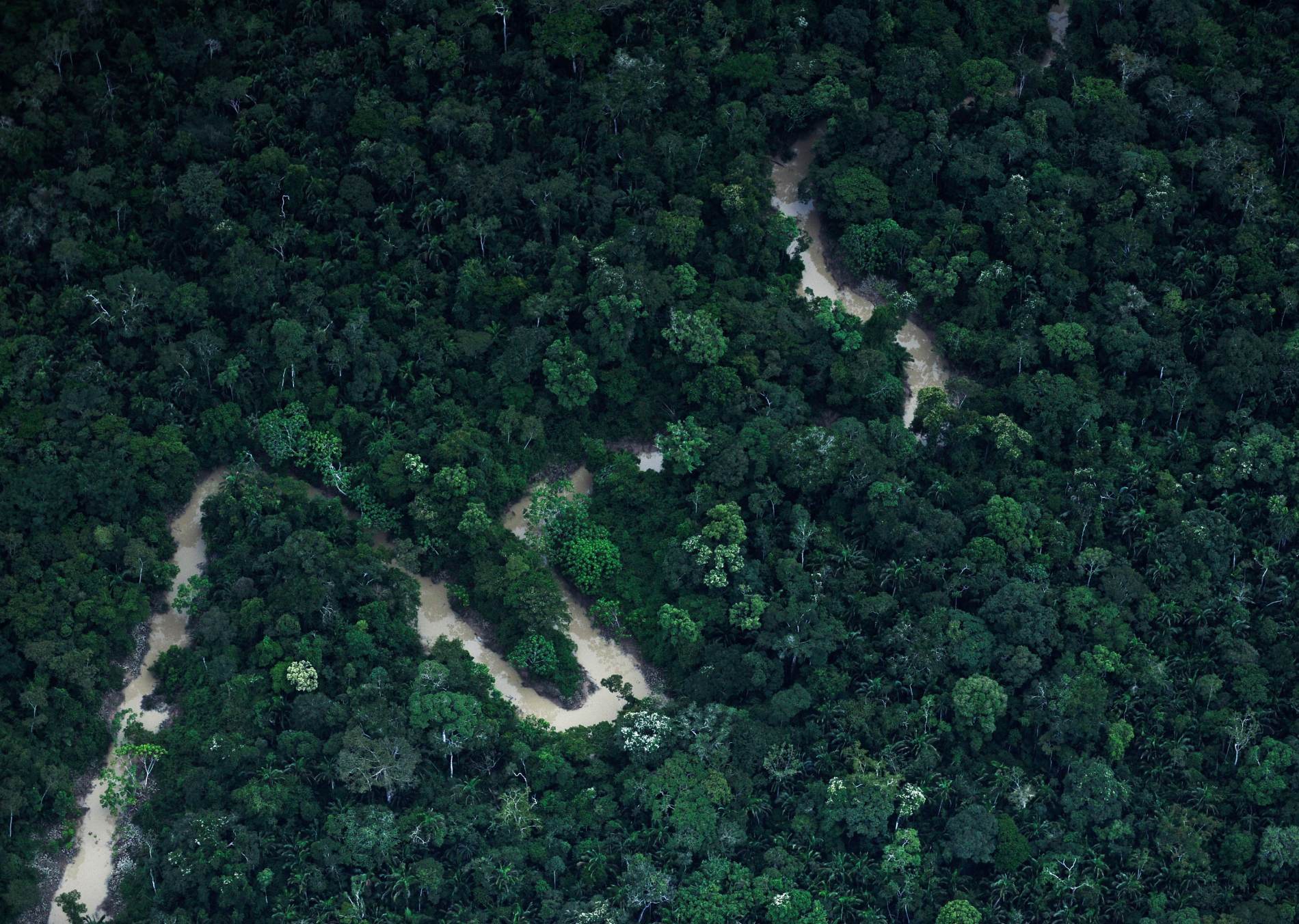
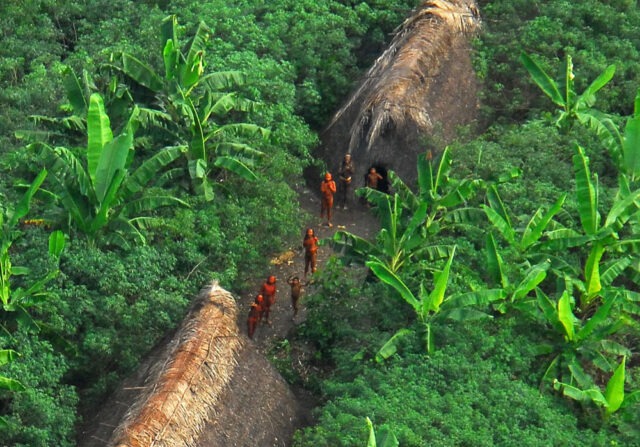
The organization estimates that around 196 groups globally live in voluntary isolation, with 95 percent of them in the Amazon Basin. Nearly half could face extinction within the next ten years unless governments like India, Brazil and Peru take stronger action to stop illegal incursions into their territories.
While illegal logging, mining, drug trafficking, and missionary work are the biggest threats to uncontacted peoples, the rise of social media has introduced a new form of exploitation that transforms human vulnerability into spectacle. And it is particularly challenging because these influencers are acting independently with minimal oversight.
“Indigenous people have become this spectacle. They’re here to be consumed by global audiences,” Michael Rivera, an anthropologist at the University of Hong Kong, told NBC News.
“This is reproducing a sort of racial hierarchy that is positioning influencers, which tend not to be Indigenous people, [at the top.]”
One example can be found on North Sentinel Island where India has banned contact with outsiders. Earlier this year, a U.S. YouTuber travelled to the island, left a can of Diet Coke and a coconut on the beach and posted the episode online. Authorities arrested him for violating India’s protection laws.
In another incident, a British travel writer bragged about visiting the island, claiming that “satellite data shows the Indian authorities are not properly monitoring the island” which made it easy for him to get there illegally.
In addition to urging governments to take action, Survival is urging social media platforms such as YouTube, TikTok, and Instagram to remove content filmed within prohibited Indigenous territories and to establish clear policies against monetizing such material.
“These peoples are not living entertainment,” the organization writes. “Their lives and rights cannot be exchanged for likes on TikTok or subscriptions to YouTube channels.”
Across the world right now, Indigenous peoples are facing a renewed assault on their lands, rights, and ways of life.
From extractive industries pushing deeper into ancestral territories, to governments rolling back hard-won protections,
the threat is global—and it is growing.
What makes this moment especially dangerous is how little attention it receives.
Stories like this are disappearing in real time. Mainstream media
barely covers it and the coverage is fragmented. The public is left without the context
needed to understand what is truly at stake.
That is exactly why IC Magazine exists..
For more than 20 years, IC has reported on Indigenous struggles worldwide — consistently, independently, and without compromise.
We don’t follow news cycles; we trace patterns. We don’t sensationalize; we provide context.
And when the world looks away, we stay focused.
But this work is increasingly difficult to sustain.
We refuse to lock our reporting behind a paywall. We don’t sell access through subscriptions.
And we don’t answer to advertisers. IC Magazine survives solely because readers like you choose to
support independent Indigenous journalism.
Please donate today if you can. Every contribution helps us to continue this crucial work.
Thank you,
John Ahni Schertow
Founder and Editor in Chief