Last Updated on October 8, 2025
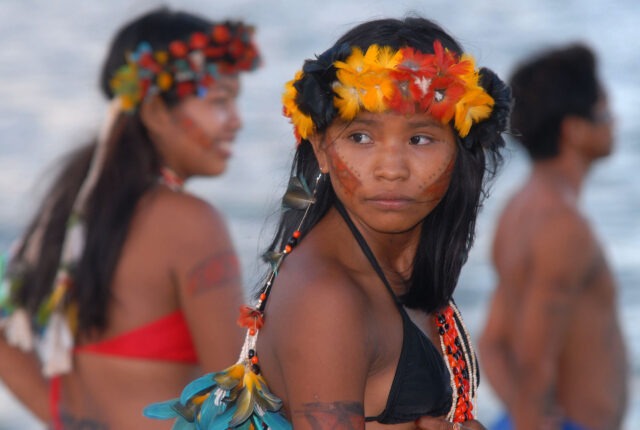
Missionary groups in Brazil are using increasingly sophisticated technology—including computers, radios, drones, and solar-powered audio devices—to evangelize some of the world’s most isolated Indigenous communities, raising serious concerns about the health and security of these vulnerable peoples.
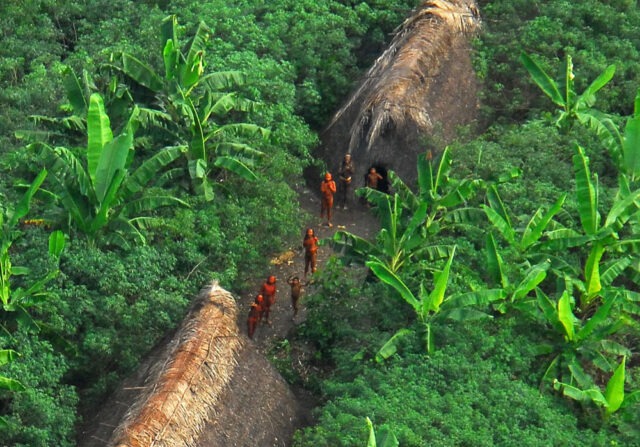
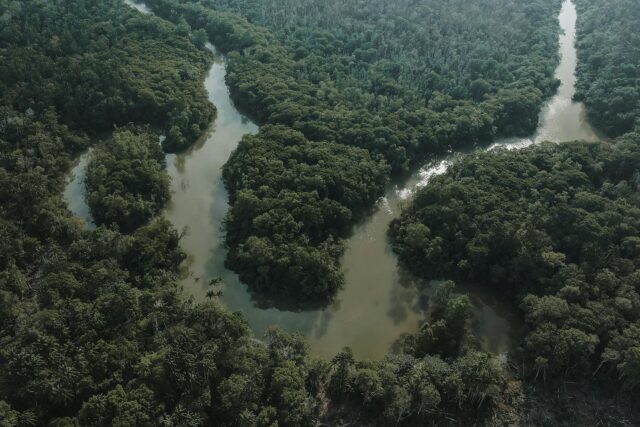
Two separate investigations by The Guardian reveal that missionaries operating in the Vale do Javari, a remote region in the western Amazon, have used a combination of technological tools and questionable tactics to reach Indigenous Peoples that are protected by Brazil’s no-contact policy.
Brazil is home to the world’s highest concentration of peoples living in voluntary isolation. For decades, the state maintained forced contact missions as official policy; however, this led to the decimation of countless tribes, explains Survival International. “It was this devastation that led Brazil’s Indigenous affairs department FUNAI to adopt… its policy of protecting uncontacted tribes’ land rather than forcing contact upon them”.
In more recent times, there have been several controversial attempts to contact these communities, including a scheme using a helicopter during the COVID-19 epidemic. In 2020, then-president Bolsonaro also came under fire for placing Ricardo Lopez Dias in charge of The Coordination of Isolated and Recently Contacted Indians (CGIIRC), an agency run by the Brazilian Indigenous affairs department, FUNAI. Dias was a missionary for New Tribes Mission for over a decade.
Now, missionaries from organizations such as Frontier International and Ethnos360 (formerly New Tribes Mission) are using solar-powered equipment, pre-recorded Bible messages, and drones to distribute religious materials in Indigenous languages. In some cases, they were also reported to be carrying shotguns for protection, although no confrontations have been documented.
Another investigation highlights the use of secretive audio devices that are designed to broadcast Bible teachings on loop. These devices are being placed in remote areas frequented by uncontacted peoples. The recordings are in local languages and are aimed at “breaking the silence,” according to missionary statements.
“The first device uncovered, a yellow and grey mobile phone-sized unit, mysteriously appeared in a Korubo village in the Javari valley recently,” reports The Guardian. “The gadget, which recites the Bible and inspirational talks by an American Baptist, can do so indefinitely, even off-grid, thanks to a solar panel. Up to seven of the units were reported by local people.”
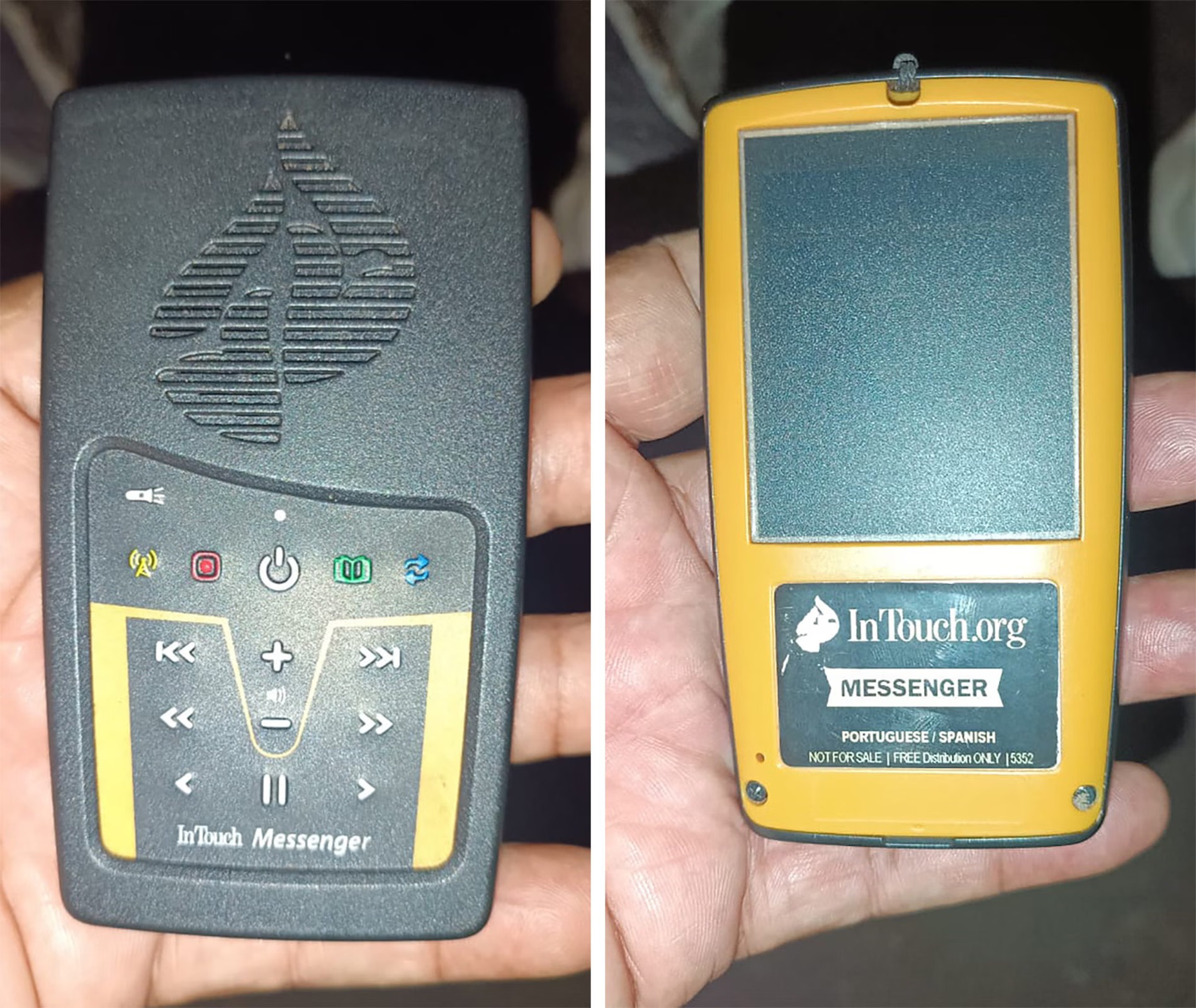
A solar-powered In Touch Messenger audio device in the Korubo village, loaded with the Bible and religious teachings in Spanish and Portuguese
Brazil’s 1988 Constitution prohibits forced contact with isolated tribes, due to the high risk of disease transmission and the potential for cultural disruption. Contact with outsiders has historically resulted in outbreaks of illness such as influenza, measles and malaria. In the Greater Amazon Basin area, 117 epidemics were documented between 1875 and 2008, causing more than 11,000 deaths.
Indigenous leaders and rights organizations say missionary activity in the Vale do Javari violates both national law and international Indigenous rights standards. They argue that the use of high-tech tools is enabling unauthorized contact attempts and exposing vulnerable populations to spiritual and biological harm.
In recent years, Brazilian courts have responded to lawsuits from Indigenous organizations by issuing bans on specific missionary individuals and groups from entering Indigenous territories. In 2020, a federal judge ruled to expel American missionary Andrew Tonkin and others from the Javari Valley, citing the constitutional prohibition on forced contact.
However, enforcement remains inconsistent, and some missionaries reportedly continue to operate covertly. Observers say that the political climate under recent administrations has emboldened evangelical groups and weakened FUNAI’s independence.
The deployment of drones, solar-powered radios, and pre-recorded sermons signals a new chapter in the controversial legacy of missionary outreach. Critics say this use of modern tools bypasses traditional safeguards meant to protect Indigenous autonomy.
As tensions continue to mount in Brazil’s Indigenous territories, advocates are calling for international pressure on missionary organizations and stronger protections for peoples living in voluntary isolation. Many argue that without urgent action, the combination of religion, politics, and technology may irreversibly alter some of the world’s last untouched Indigenous societies.
Across the world right now, Indigenous peoples are facing a renewed assault on their lands, rights, and ways of life.
From extractive industries pushing deeper into ancestral territories, to governments rolling back hard-won protections,
the threat is global—and it is growing.
What makes this moment especially dangerous is how little attention it receives.
Stories like this are disappearing in real time. Mainstream media
barely covers it and the coverage is fragmented. The public is left without the context
needed to understand what is truly at stake.
That is exactly why IC Magazine exists..
For more than 20 years, IC has reported on Indigenous struggles worldwide — consistently, independently, and without compromise.
We don’t follow news cycles; we trace patterns. We don’t sensationalize; we provide context.
And when the world looks away, we stay focused.
But this work is increasingly difficult to sustain.
We refuse to lock our reporting behind a paywall. We don’t sell access through subscriptions.
And we don’t answer to advertisers. IC Magazine survives solely because readers like you choose to
support independent Indigenous journalism.
Please donate today if you can. Every contribution helps us to continue this crucial work.
Thank you,
John Ahni Schertow
Founder and Editor in Chief