
Last Updated on April 10, 2025
A bill that will help Native Americans address the impacts of climate change in coastal areas has gained some momentum.
On September 25, the US House Committee on Natural Resources unanimously approved H.R. 729, the Tribal Coastal Resiliency Act, alongside nine other bills related to climate change.
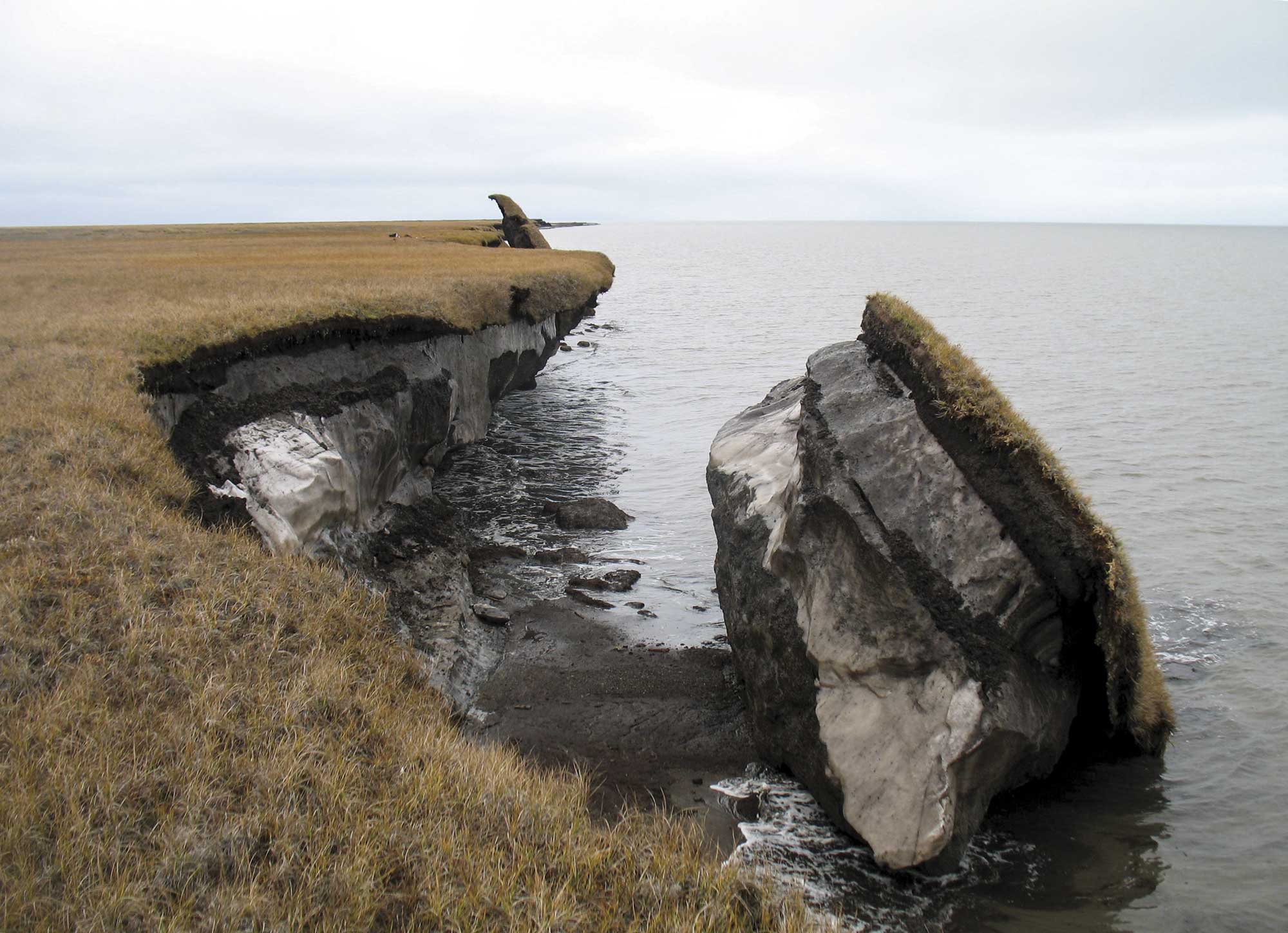
First introduced in 2015 by Derek Kilmer (D-Wash.), The Tribal Coastal Resiliency Act would provide Native American tribes in coastal areas with resources to stabilize coastal shorelines and restore or preserve areas with ecological, cultural, historic, sacred, or esthetic significance.
It would also help them take preventive measures to ensure the safety of their members and protect their facilities before an emergency. That makes the bill incredibly important to tribes like the Quileute Nation village of La Push, the Hoh Tribe, the Quinault Indian Nation and several coastal communities in Alaska that have already begun the process of moving to higher ground.
“I would like to thank the Natural Resources Committee for passing the Tribal Coastal Resiliency Act today and thank Congressman Derek Kilmer for his proven leadership on this and the many other bills addressing climate change,” said Fawn Sharp, President of the Quinault Indian Nation.
“This bill will make available to Tribes grant funding for the protection and preservation of Tribal coastal zones and areas. This funding will be very helpful to Tribes that are dealing with rising sea level, and coastal and shoreline degradation and destabilization due to climate change. We urge the full House of Representatives to take up and pass this bill with all expediency.”
Earlier this year, President Sharp testified about the importance of the bill to the Members of the House Natural Resources Committee. In her testimony, Sharp detailed how recent weather events have threatened the safety of her village and their ability to exercise treaty rights.
“The challenges of severe storms and increased flooding are affecting communities throughout our country,” said Rep. Kilmer. “This bill will provide direct access to much needed resources for tribes to enhance their coastal resiliency and keep their people out of harm’s way.”
If passed into law, H.R. 729 would provide $5 million a year for the National Oceanic and Atmospheric Administration (NOAA) to issue grants directly to Native American tribes in need.
Currently tribal governments must petition states to prioritize their projects before they can be considered for funding.
“Indigenous communities have long been leaders in responsible stewardship of the environment, but today more than ever they are feeling the devastating impact of climate change, rising sea levels, and worsening natural disasters,” said Rep. Ruben Gallego, Chair of the Subcommittee for Indigenous Peoples of the United States. “That’s why I am proud to join Rep. Kilmer in championing this legislation to give Indian Country the necessary tools to mitigate climate change impacts and preserve their land, their people and their way of life for future generations.”
H.R.729 can now be considered for passage by the full House.
Across the world right now, Indigenous peoples are facing a renewed assault on their lands, rights, and ways of life.
From extractive industries pushing deeper into ancestral territories, to governments rolling back hard-won protections,
the threat is global—and it is growing.
What makes this moment especially dangerous is how little attention it receives.
Stories like this are disappearing in real time. Mainstream media
barely covers it and the coverage is fragmented. The public is left without the context
needed to understand what is truly at stake.
That is exactly why IC Magazine exists..
For more than 20 years, IC has reported on Indigenous struggles worldwide — consistently, independently, and without compromise.
We don’t follow news cycles; we trace patterns. We don’t sensationalize; we provide context.
And when the world looks away, we stay focused.
But this work is increasingly difficult to sustain.
We refuse to lock our reporting behind a paywall. We don’t sell access through subscriptions.
And we don’t answer to advertisers. IC Magazine survives solely because readers like you choose to
support independent Indigenous journalism.
Please donate today if you can. Every contribution helps us to continue this crucial work.
Thank you,
John Ahni Schertow
Founder and Editor in Chief