Last Updated on December 1, 2019
Protesters have blocked the highway that connects much of Colombia with Ecuador in the latest escalation of anti-government protests on Wednesday.
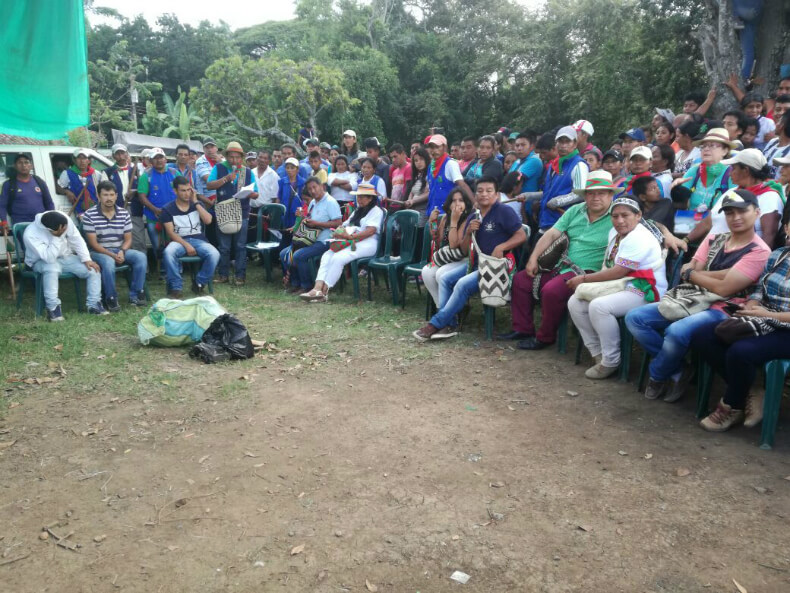
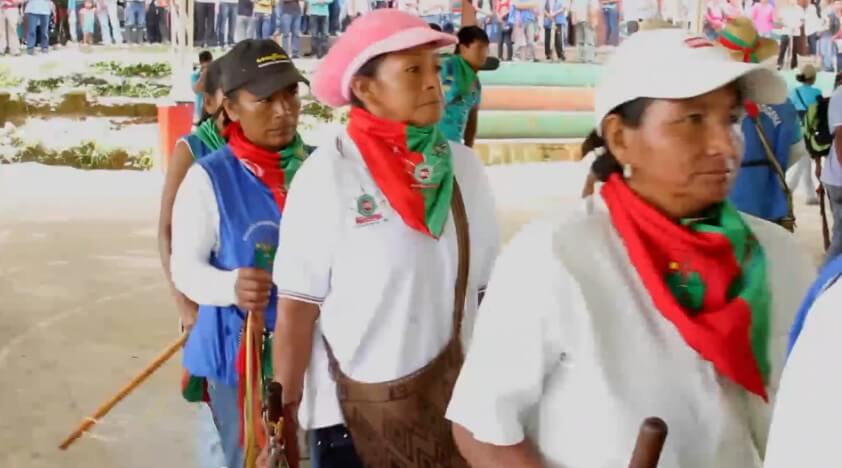
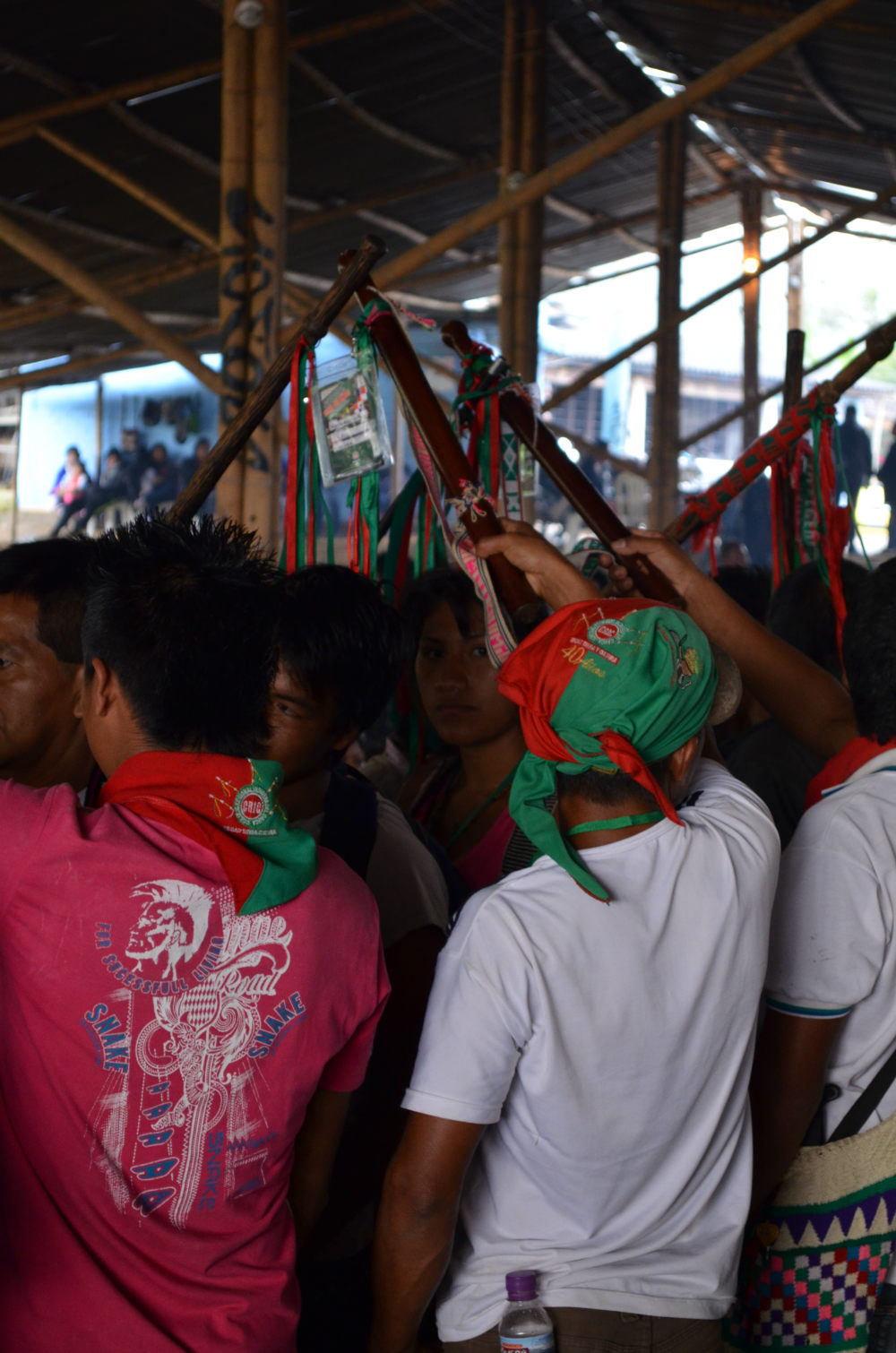
Indigenous protesters blocked the Pan-American highway in Caldono, a locality between Cali and Popayan, and are intermittently allowing passage, according to regional indigenous organization, CRIC.
The indigenous protesters blocked the highway “in the framework of the national strike and for the indigenous comrades assassinated by ESMAD,” they said, using the abbreviation for the national riot police unit.
It is time to meet, social sectors, workers, artists, transporters, teachers and students from different private and public universities, pensioners, to denounce the accumulation of a capitalist model that does not work and that is implemented by President Ivan Duque and some congressmen, a model that does not work, a model of death that does not contribute to the development of the Colombian country.
Regional Indigenous Council of Cauca
The roadblock limits traffic from Ecuador to mayor cities like Cali and Medellin, but does not affect traffic between the border and the capital Bogota.
The indigenous peoples joined the national strike earlier this month after the killing of indigenous governor Cristina Bautista, one of dozens of native Colombian leaders who have been assassinated in the Cauca province alone.
The native Colombians have been asking for talks with the president since March, but have been ignored, despite their claims that they are victims of genocide.
The roadblock comes a day after attempts to set up dialogue between Duque and strike organizers failed and protests against the unpopular president intensified.
People have been protesting throughout Colombia since Thursday last week, in the biggest anti-government protests in four decades.
Duque’s attempts to violently repress protests in Bogota have increase support for them while, according to one pollster, further sinking the president’s approval rating.
Congress met with strike leaders on Wednesday while the inspector general is trying to convince the president to engage in meaningful dialogue with the protesters.
Across the world right now, Indigenous peoples are facing a renewed assault on their lands, rights, and ways of life.
From extractive industries pushing deeper into ancestral territories, to governments rolling back hard-won protections,
the threat is global—and it is growing.
What makes this moment especially dangerous is how little attention it receives.
Stories like this are disappearing in real time. Mainstream media
barely covers it and the coverage is fragmented. The public is left without the context
needed to understand what is truly at stake.
That is exactly why IC Magazine exists..
For more than 20 years, IC has reported on Indigenous struggles worldwide — consistently, independently, and without compromise.
We don’t follow news cycles; we trace patterns. We don’t sensationalize; we provide context.
And when the world looks away, we stay focused.
But this work is increasingly difficult to sustain.
We refuse to lock our reporting behind a paywall. We don’t sell access through subscriptions.
And we don’t answer to advertisers. IC Magazine survives solely because readers like you choose to
support independent Indigenous journalism.
Please donate today if you can. Every contribution helps us to continue this crucial work.
Thank you,
John Ahni Schertow
Founder and Editor in Chief