
Last Updated on January 8, 2026
Walk through any supermarket aisle and you’ll see the fruits of Indigenous innovation—though you probably won’t know it. From the potato to the pumpkin, and cacao to quinoa, the foods that shape global cuisines are Indigenous gifts. They were cultivated, perfected, and cherished long before colonizers carried them across the oceans. Yet the peoples who developed these foods are rarely credited, and their food sovereignty is still under attack.
To eat virtually anything today is to taste the legacy of Indigenous agriculture. Here are ten foods that remind us just how deeply our diets are rooted in Indigenous knowledge.
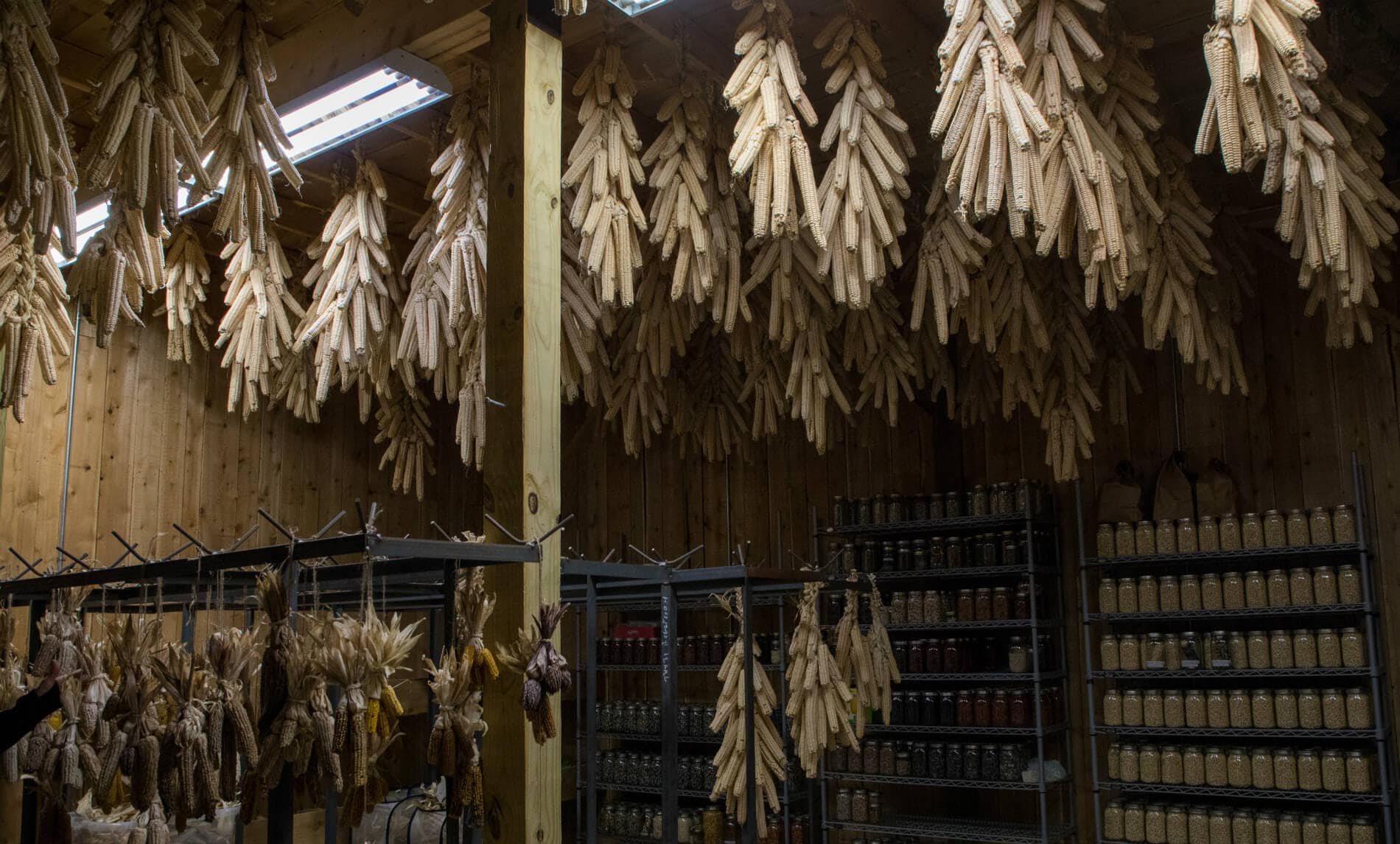
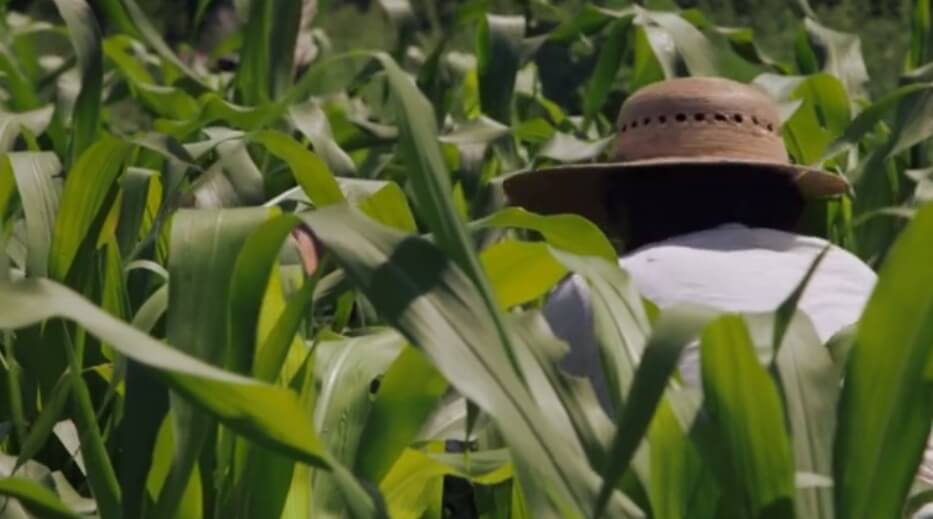
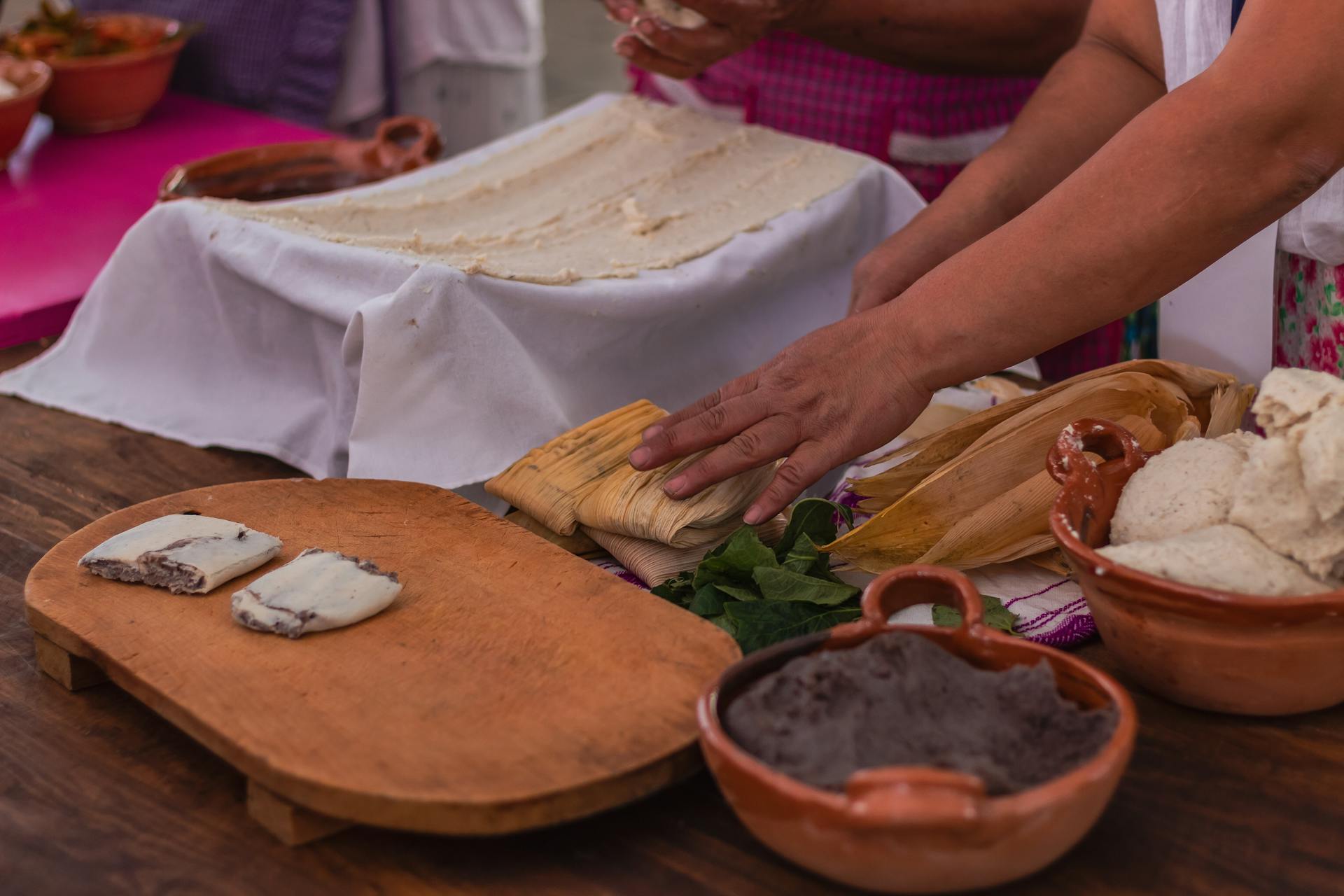
Corn is more than a crop—it’s a cultural foundation. First domesticated in southern Mexico about 9,000 years ago, maize remains central to Indigenous nations like the Maya, Hopi, Pueblo and Haudenosaunee peoples. Beyond tortillas and tamales, corn underpins global food systems: it feeds livestock, fuels ethanol, and appears in countless processed products. Yet Indigenous farmers continue to protect heirloom varieties, resisting genetic modification and monocropping that threaten biodiversity.
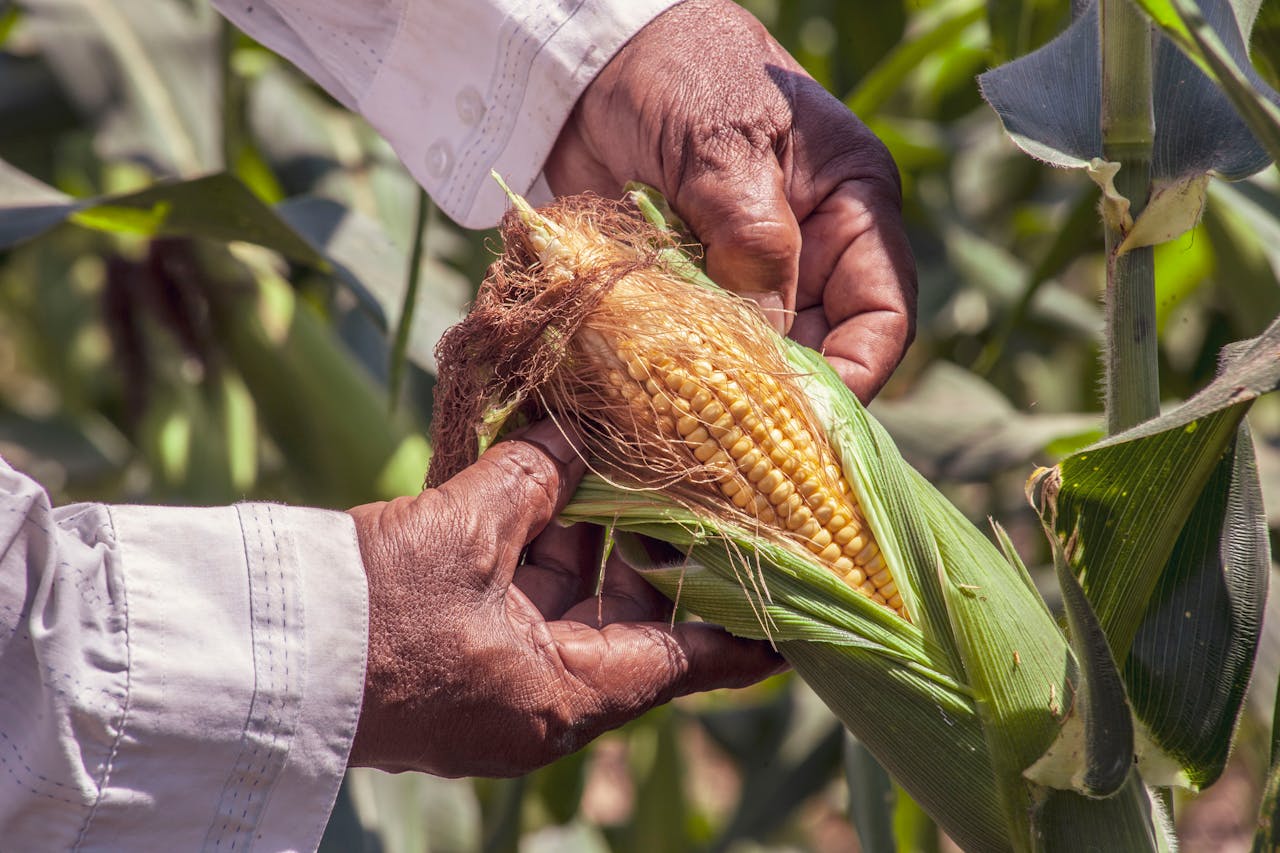
Photo: Franco30
Over 4,000 varieties of potato were cultivated by Andean peoples, particularly the Quechua and Aymara. The Irish famine revealed how monocropping a single variety can be catastrophic—while Indigenous agricultural practices thrived on diversity. Today, Andean farmers still steward potato banks high in the mountains, offering resilience against climate change.
Imagine Italian pasta sauce without tomatoes. Or Indian curries. Or American ketchup. All would be impossible without the fruit first cultivated by Indigenous peoples of Central and South America. Once dismissed as poisonous in Europe, tomatoes became a culinary cornerstone worldwide—yet their Indigenous roots are seldom acknowledged.
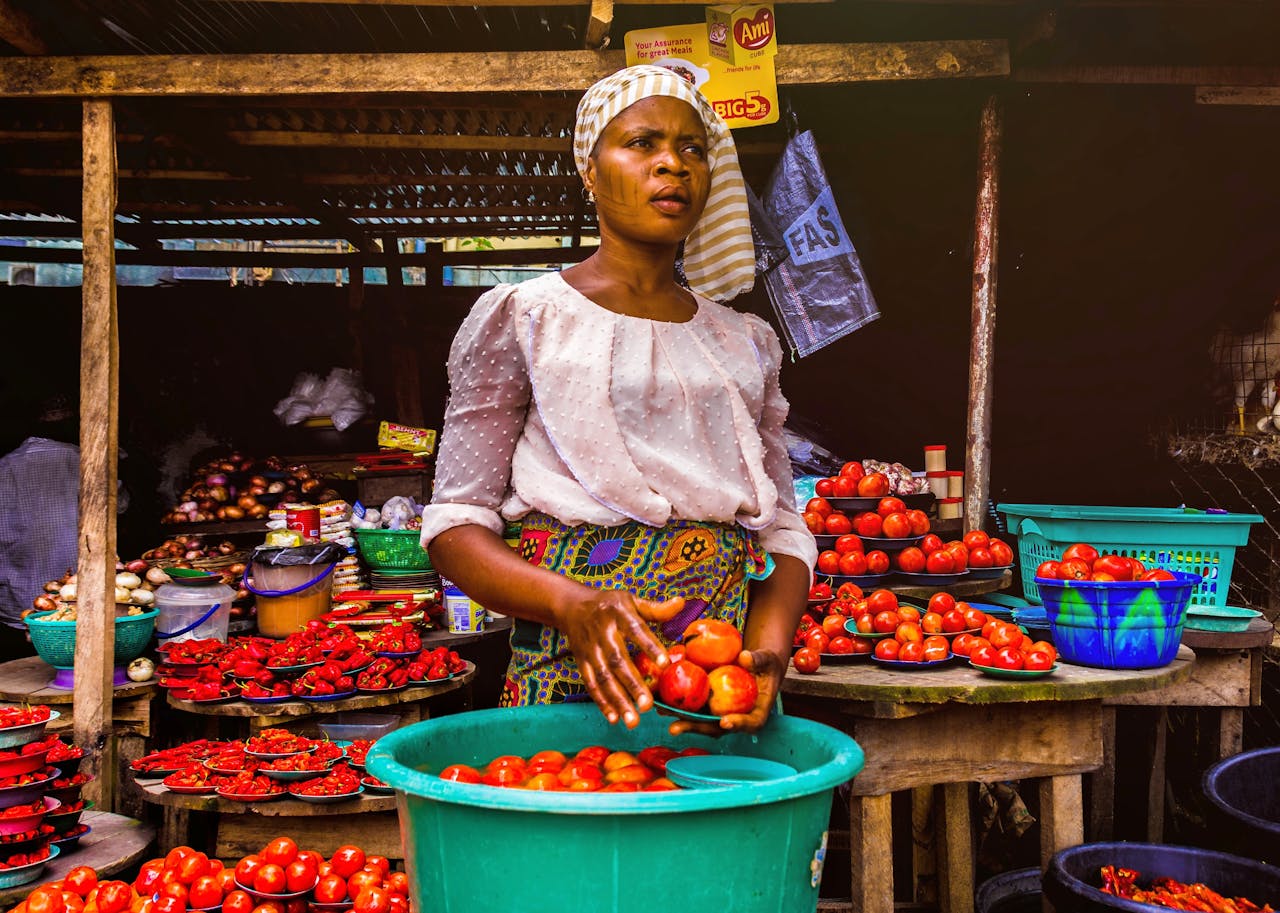
Photo: Omotayo Tajudeen
Dubbed a “superfood” by Western marketers, quinoa has been a staple of Quechua and Aymara peoples for millennia. Known as the “mother grain,” quinoa thrives in harsh high-altitude conditions. But global demand has driven up prices, making it harder for local communities to afford their own traditional staple. Supporting Indigenous-led quinoa cooperatives is one way to correct that imbalance.
Cacao is more than a sweet treat; it was once a sacred drink used in ceremonies, a form of currency, and a source of spiritual energy. The Olmec and later the Maya and Aztec civilizations cultivated cacao and prepared it with chili, honey, and maize. Today, Indigenous cacao farmers are still fighting corporate exploitation and land grabs, reminding us that every chocolate bar carries a history of resilience and theft.
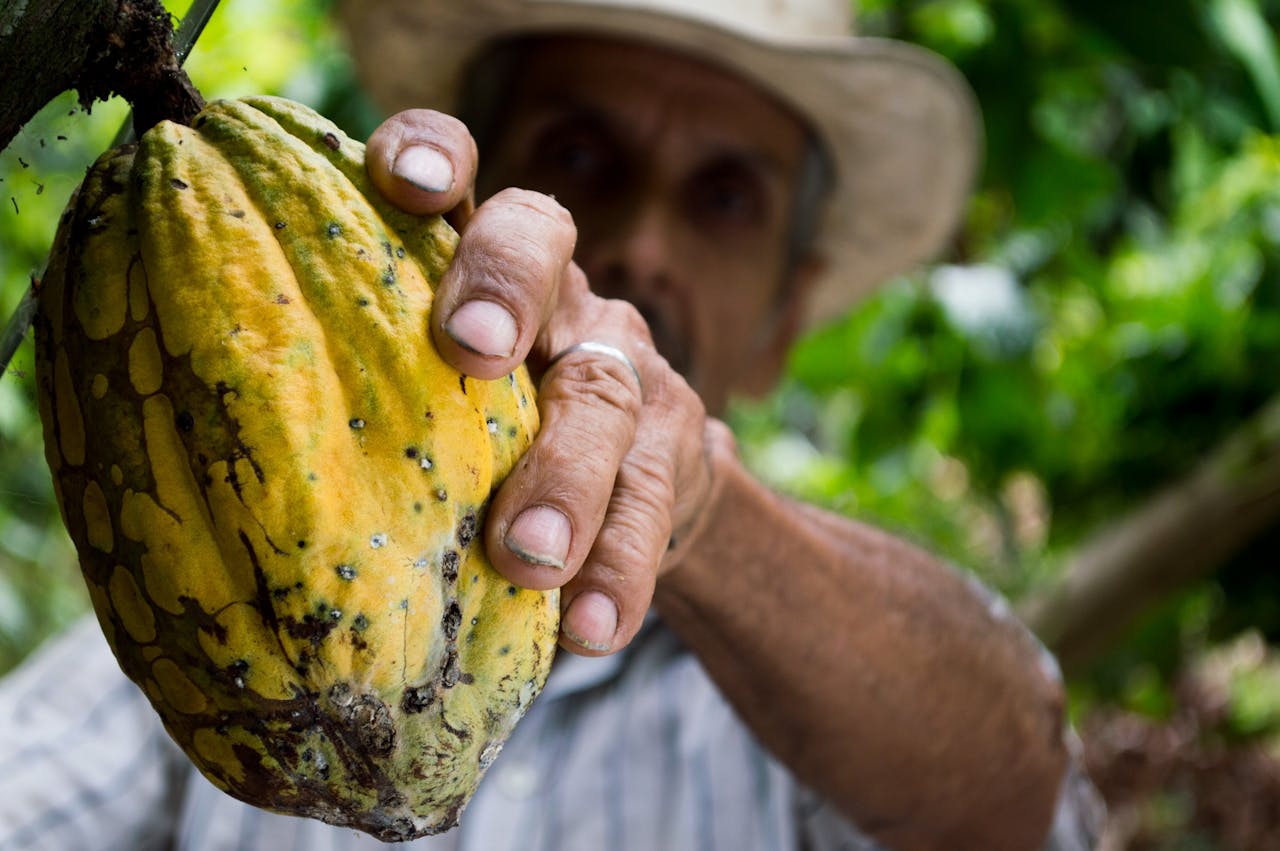
Photo: Pixabay
If you’ve ever watched Hot Ones, the viral YouTube series where celebrities sweat their way through escalating chili sauces, you’ve seen how global culture revolves around this Indigenous gift. The thrill of spice that drives millions of views each week is only possible because Indigenous farmers first domesticated and perfected chili peppers thousands of years ago. From Mexico to Peru, Indigenous peoples cultivated dozens of chili varieties, each with distinct flavor, heat, and medicinal uses.
The sweet sap of the maple tree was first harvested and boiled down by Indigenous peoples of the Great Lakes and St. Lawrence regions. Maple syrup remains deeply cultural, tied to seasonal ceremonies and community gatherings. As climate change threatens maple forests, Indigenous stewardship is vital for protecting this gift.
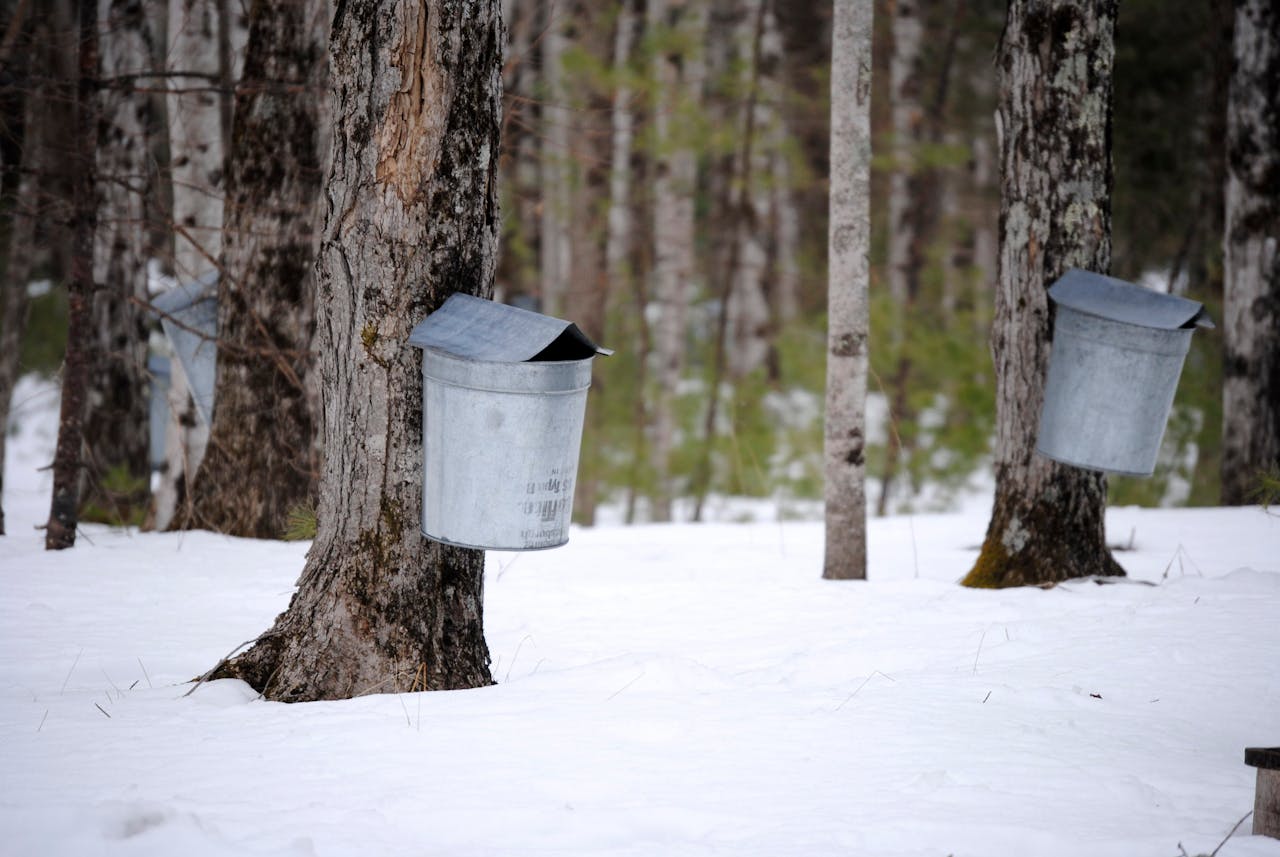
Photo: Matt Barnard
Pumpkin is one of the “Three Sisters”—corn, beans, and squash—a triad of crops cultivated together by the Haudenosaunee and other nations across Turtle Island. Grown in harmony, each plant supports the other: corn provides a stalk for beans to climb, beans fix nitrogen in the soil, and squash leaves shade the ground to retain moisture. Pumpkin itself is a powerhouse of nutrition that was traditionally dried for winter sustenance. It is also hearty enough to survive in places suffering drought, making it a potentially vital superfood in the war against hunger.
The Totonac people of Mexico first cultivated and revered vanilla orchids. It was later adopted by the Aztec, who used it to flavor cacao. Today, vanilla is one of the most popular flavorings in the world, but most commercial production benefits corporations—not the Indigenous growers who first unlocked its potential.
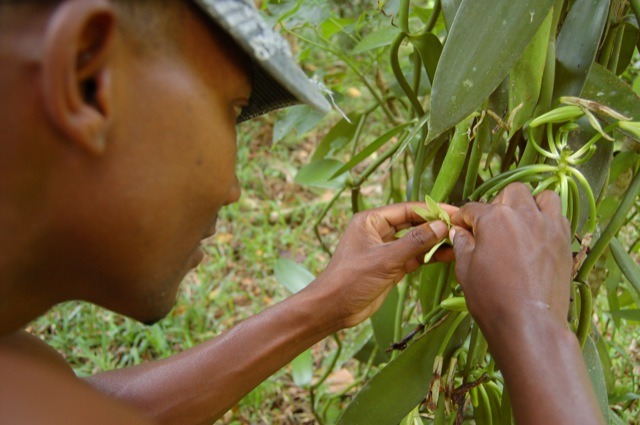
Photo: Helen Graham (CC BY-NC-SA 2.0)
—
Cassava is a drought-resistant root that has fed millions across the tropics. Indigenous peoples of the Amazon developed techniques to detoxify bitter varieties, transforming a poisonous tuber into a versatile staple. Cassava is now central to diets in Africa and Asia, showing how Indigenous knowledge continues to sustain the world.
When colonizers carried these foods across oceans, they rarely carried the stories of the peoples who cultivated them. The result was a global diet stripped of its roots. Chocolate became a candy bar, corn became a commodity, and quinoa became a “superfood.” But the peoples who developed these foods were left out of the story—or worse, actively dispossessed of the lands where their crops grew.
This erasure has/had material consequences. For instance, when quinoa became a global trend, the international market pushed prices beyond what many Quechua families could afford. And when cacao demand skyrocketed, Indigenous farmers in West Africa and Latin America faced exploitation from corporations and middlemen who treated their knowledge as disposable. Today, Indigenous cacao farmers are facing a news crisis thanks to climate change.
The cost of forgetting also has an ecological impact. When Ireland relied on a single potato variety, famine followed. Today, vast monocrops of corn and soy stretch across North America, eroding soil health and accelerating biodiversity collapse. These crises would not have surprised Indigenous farmers, who long understood that abundance comes from diversity, rotation, and reciprocity with the earth. Ignoring those lessons endangers not just Indigenous communities but every society that depends on food to survive.
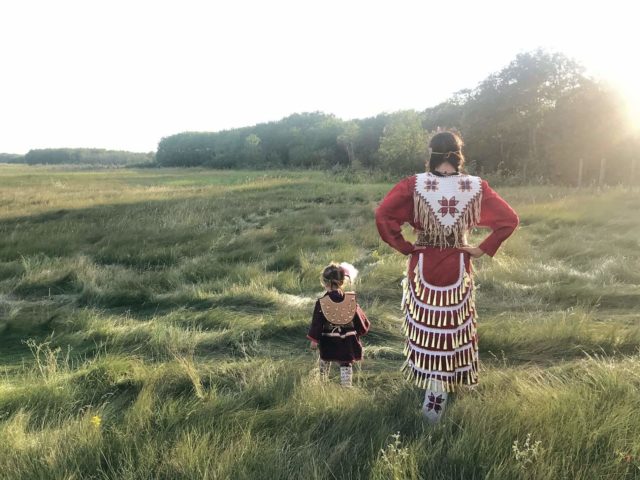
Across the globe, Indigenous nations are reviving ancestral crops and building food systems that resist exploitation. This movement—often called food sovereignty—is about more than putting meals on the table. It’s about reclaiming power, healing relationships with the land, and ensuring that future generations inherit both seeds and stories.
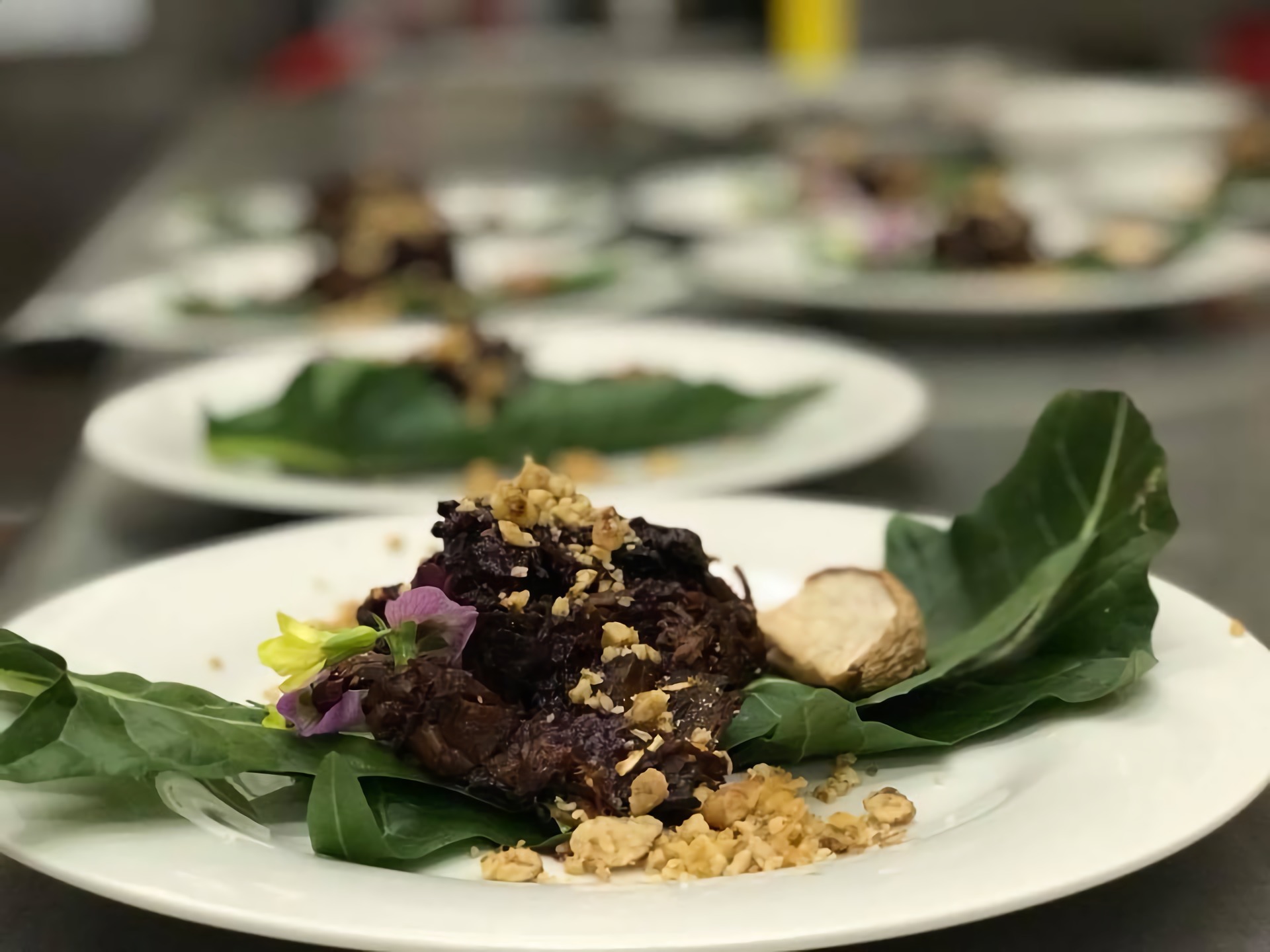
In Mexico, Maya farmers are saving native corn varieties from extinction by planting them side by side, preserving genetic resilience against droughts through seed-bank networks like Mother Seeds in Resistance. In Aotearoa, Māori growers are revitalizing kūmara (sweet potato) traditions through scientific and cultural restoration projects—including those in Koukourārata that re-establish communal kūmara production. In North America, Indigenous chefs—like those behind NĀTIFS and the celebrated Owamni restaurant—are rewriting menus with dishes that reflect ancestral histories: bison stew, cedar and maple tea, salmon smoked with alder wood—not to sell nostalgia, but to affirm living cultures. And in the Amazon, Shipibo and Asháninka communities, having reclaimed territory, are rejecting industrial soy and cattle projects in favor of regenerating traditional crops like cassava—a path toward ecological restoration and cultural survival.
Food sovereignty is also climate resilience. Studies now confirm what Indigenous nations have long understood: biodiversity thrives under Indigenous stewardship. For example, one report shows that forests managed by Indigenous and local communities experience significantly lower deforestation rates, higher biodiversity, and reduced greenhouse-gas emissions. Indigenous Peoples, representing just over 6% of the global population, steward approximately 80% of the world’s remaining biodiversity, and their lands act as vital carbon sinks.
From the high-altitude “Potato Park” in the Andes—where Quechua communities govern a biocultural heritage territory preserving hundreds of native potato varieties—to cultural burning and stewardship practices that enrich ecosystems, these food systems are climate solutions in action. They safeguard diversity, sequester carbon, and restore balance where industrial agriculture has strained it away.
Across the world right now, Indigenous peoples are facing a renewed assault on their lands, rights, and ways of life.
From extractive industries pushing deeper into ancestral territories, to governments rolling back hard-won protections,
the threat is global—and it is growing.
What makes this moment especially dangerous is how little attention it receives.
Stories like this are disappearing in real time. Mainstream media
barely covers it and the coverage is fragmented. The public is left without the context
needed to understand what is truly at stake.
That is exactly why IC Magazine exists..
For more than 20 years, IC has reported on Indigenous struggles worldwide — consistently, independently, and without compromise.
We don’t follow news cycles; we trace patterns. We don’t sensationalize; we provide context.
And when the world looks away, we stay focused.
But this work is increasingly difficult to sustain.
We refuse to lock our reporting behind a paywall. We don’t sell access through subscriptions.
And we don’t answer to advertisers. IC Magazine survives solely because readers like you choose to
support independent Indigenous journalism.
Please donate today if you can. Every contribution helps us to continue this crucial work.
Thank you,
John Ahni Schertow
Founder and Editor in Chief