Last Updated on February 18, 2026
Across Canada, thousands of lakes, rivers, mountains, and communities still bear names that were imposed during colonization. These names obscured Indigenous languages, laws, and relationships that had defined those places for generations. What was lost was not just vocabulary, but entire ways of understanding.
Today, Indigenous communities are engaging in the rematriation of Indigenous place names. But this work is not about correcting the past for appearance’s sake. It is about restoring Indigenous authority, revitalizing language, and re-establishing relationships that colonial naming practices tried to erase.
The Yellowhead Institute’s 2026 report The Rematriation of Indigenous Place Names outlines this profound project of reclamation, resurgence, and healing.
Courtesy of the Yellowhead Institute, here are fifteen places across Turtle Island (Canada) that have been restored or officially recognized with Indigenous names. Each of these places come with a story of resilience, revival, and renewed connection to place.
Once called the Queen Charlotte Islands, the archipelago’s name was restored as “Islands of the People” in the Haida language after decades of sustained advocacy by the Haida Nation. Daajing Giids (formerly Queen Charlotte Village) was also reinstated, meaning “working hat” or “community hat.”
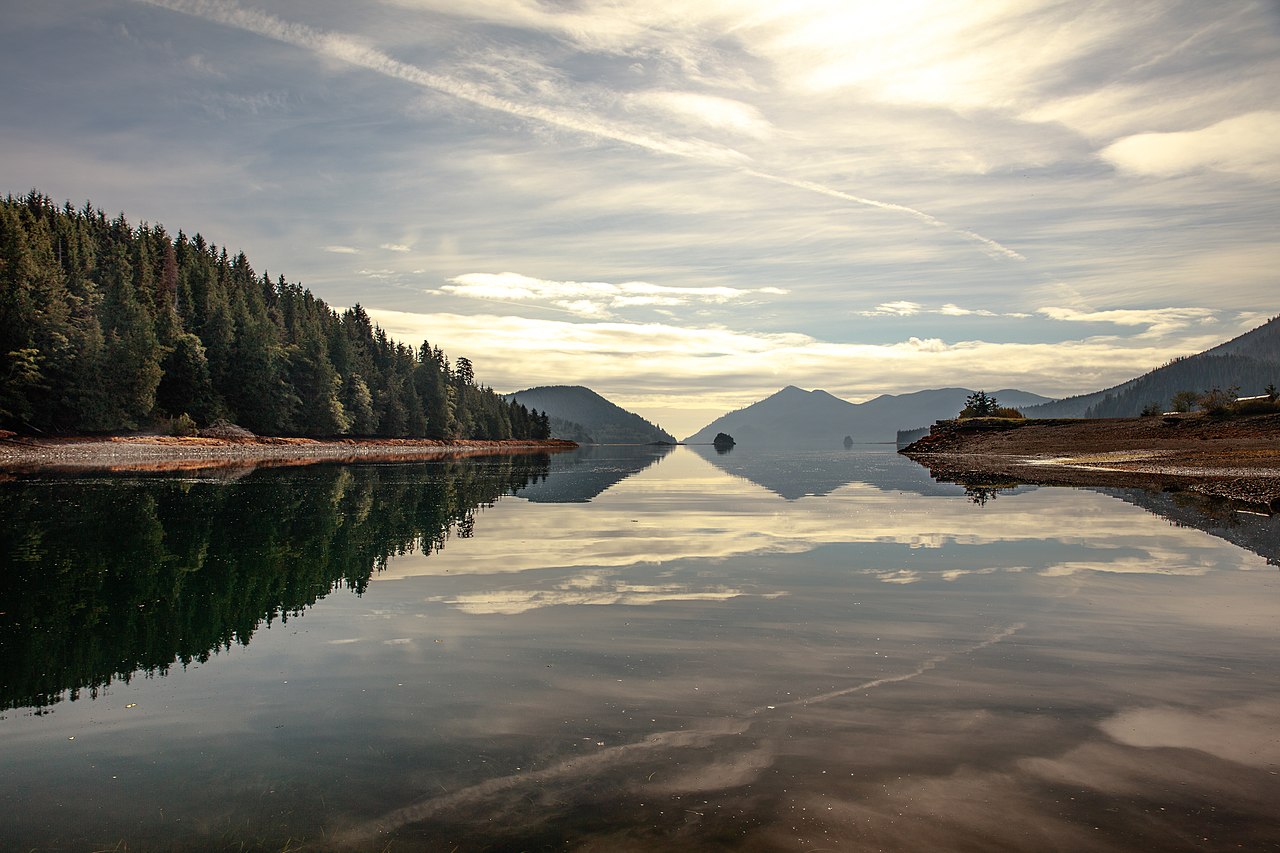
Haida Gwaii. Credit: Murray Foubister on flickr (CC)
On Ma’amtagila territory, the project Little Big House (Kwakwaka’wakw) reflects a return to place-based legal and social practices—“the place to make things right.”
Trutch Street was renamed Səʔit (Lekwungen) meaning “to be true,” making space for strengthened relations with the Songhees and Esquimalt Nations.
The SENĆOŦEN name PKOLS, meaning “White head/rock,” honors historic meeting grounds and speaks to WSÁNEĆ cultural memory.
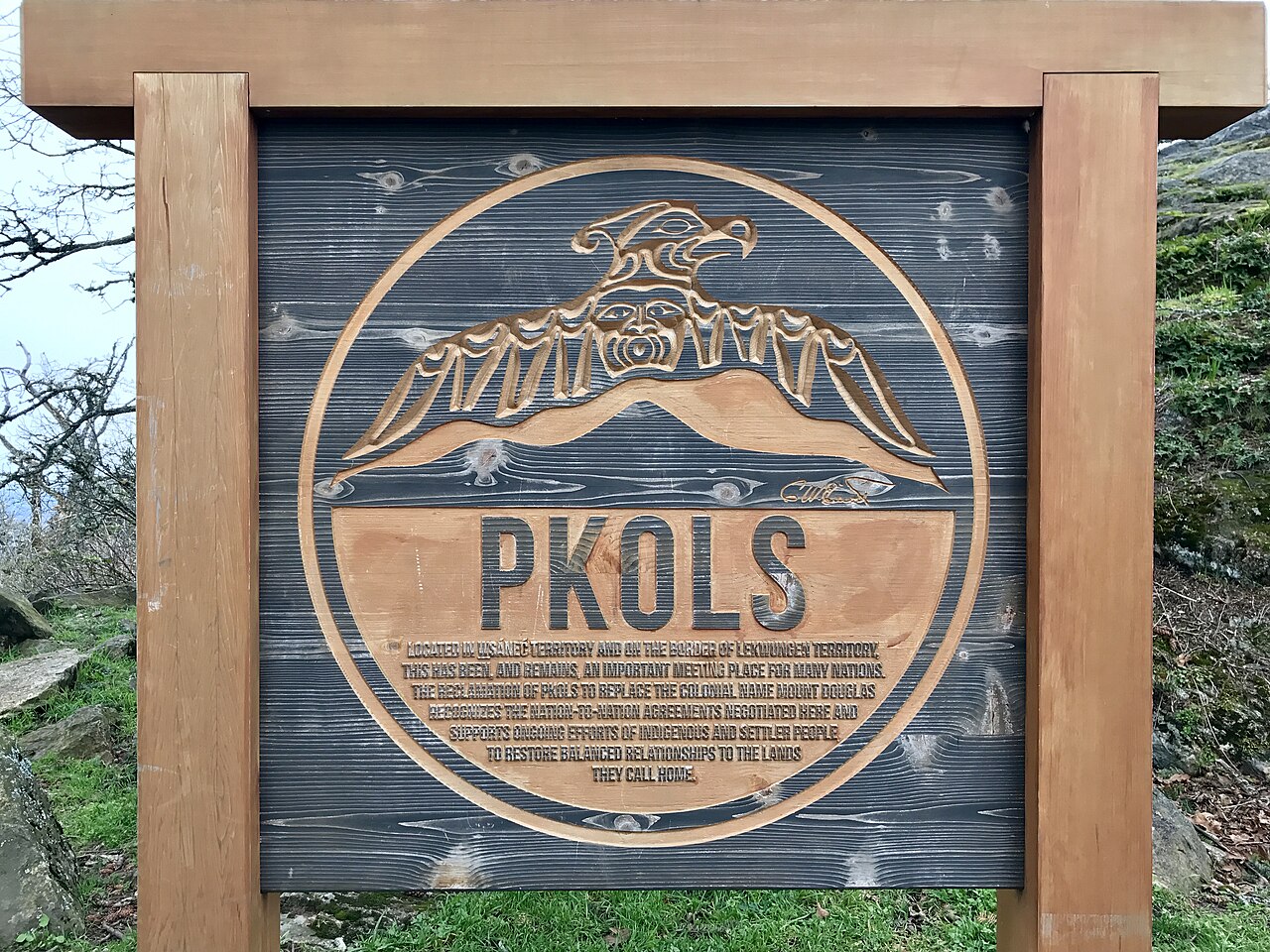
Carved wooden sign reading PKOLS. Credit: Ed Wiebe on Wikimedia (CC)
Gifted by the Musqueam Nation to Vancouver, this name was given to replace Trutch Street and embodies deep relations to land and water.
A set of electoral district names rooted in Cree, Inuktun, Dene, Anishinaabemowin, Blackfoot, and Métis languages guided by Indigenous matriarchs celebrates diverse identities and relationships to the land.
Formerly Hobbema, the town’s name was restored to the Cree Maskwacis (“Bear Hills”), rekindling unity among the Samson, Ermineskin, Louis Bull, and Montana First Nations.
Meaning “Land of the Ancestors” (Dënesųłıné), this Indigenous protected area reflects shared recognition by Indigenous governments along with federal and territorial partners.
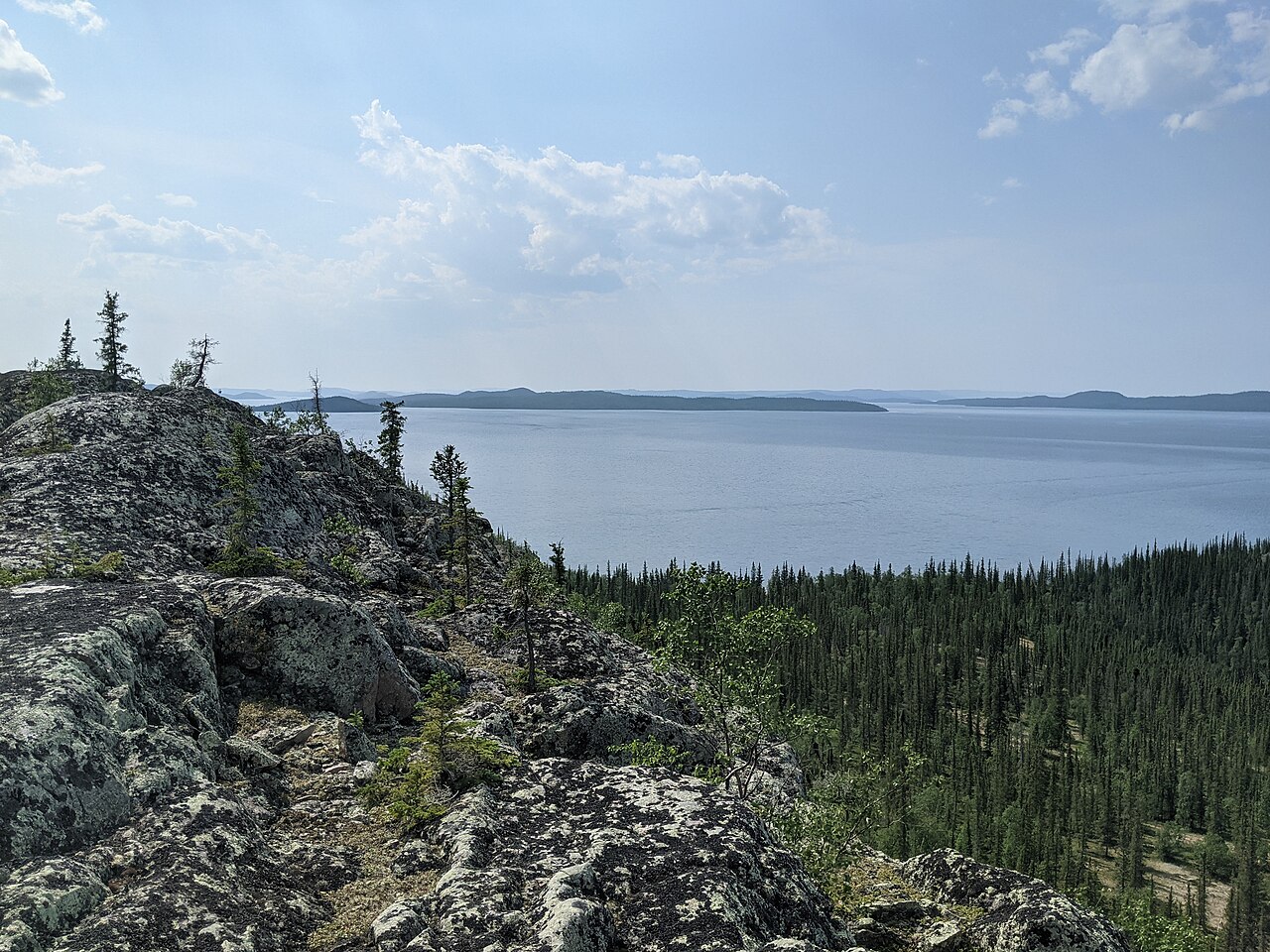
Thaidene Nëné National Park Reserve. Credit: Pennyweasel on Wikimedia (CC)
Officially recognized in 2016, this Anishinaabemowin name means “Owl Smoking Island,” connecting local practice and ancestral memory.
In 2021, three streets in Winnipeg, MB were renamed. Bishop Grandin Boulevard was renamed to Abinojii Mikanah, which means “children’s way” in Anishinaabemowin (Ojibwe). Bishop Grandin Trail was renamed to Awasisak Mēskanôw, which means “children’s road” in Cree, and Grandin Street was renamed to Taapweewin Way, which means “Truth” in Michif.
Photo: City of Winnipeg
Formerly Cape Dorset, the name Kinngait (“where the hills are” in Inuktitut) was restored by community vote, centering Inuit identity and geographic rootedness.
The capital of Nunavut reclaimed its name—Iqaluit (“place of many fish”)—replacing the colonial name Frobisher Bay and reaffirming Inuit cultural continuity.
Villiers Island was renamed Ookwemin Minising (“place of the black cherry trees”) through an Indigenous Advisory Council, affirming ancestral connections and ecological presence.
Amherst Street became Ataté:ken (“brothers and sisters”), reflecting the shared relations and Indigenous presence in Kanien’kéha and Algonquin territories.
Formerly known as Squaw Cap, the peak in Restigouche County was renamed Meto’mqwijuig (“mountain stream nearby”), following guidance from Mi’kmaw and Wolastoqey leaders.
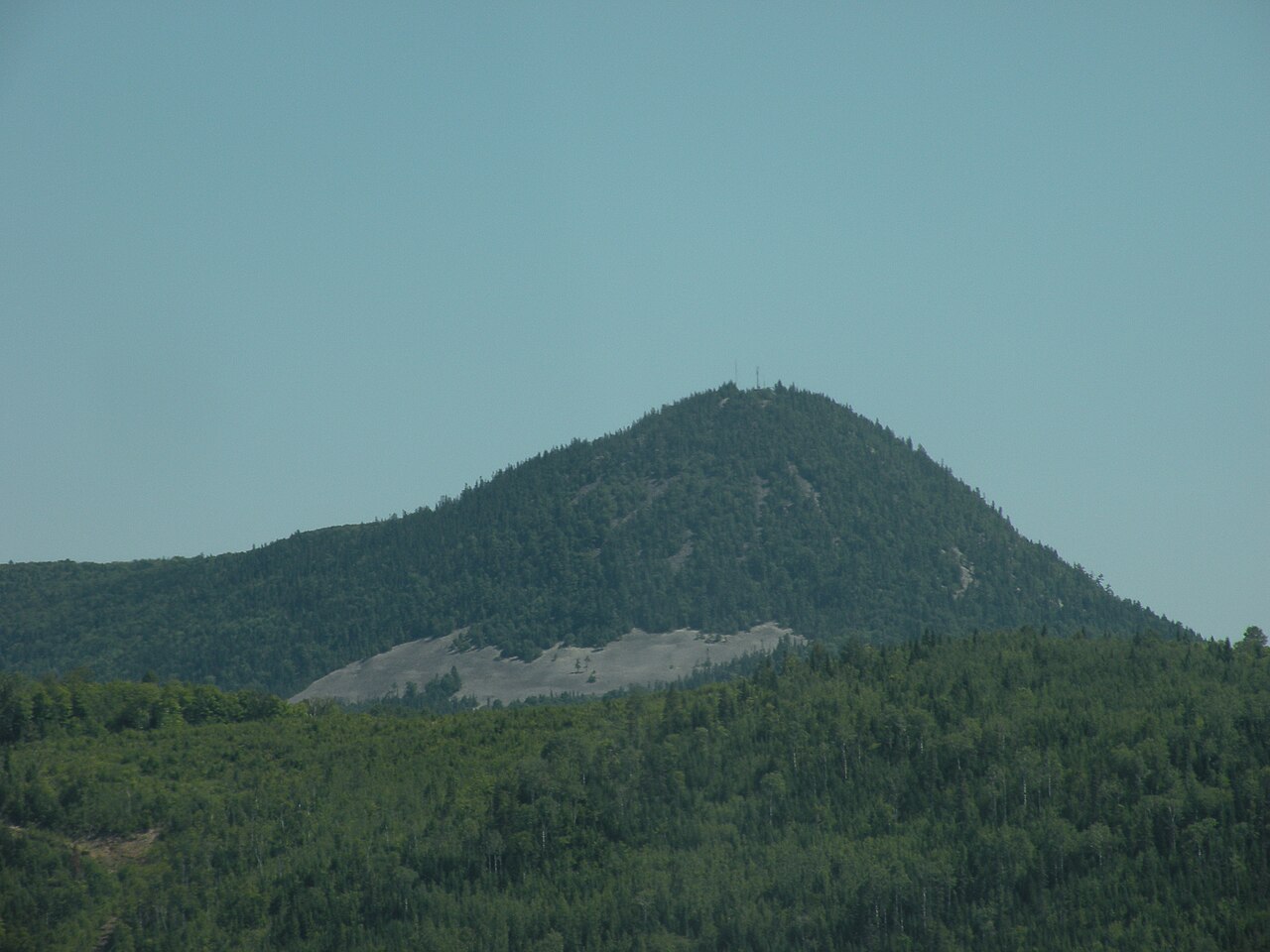
Meto’mqwijuig. Credit: Dr Wilson on Wikimedia (CC)
Restoring Indigenous place names is not symbolic window dressing—it’s a practical act of legal, cultural, and historical restoration. The Yellowhead Institute report underscores several core principles:
Restoring Indigenous place names is not the end of the work—it is an invitation to work more deeply.
When an Indigenous place name is spoken, something shifts. The land stops being a backdrop and becomes a relative. These names challenge us to move beyond symbolic gestures and toward meaningful respect for Indigenous law, language, and authority. When we learn and use these names, we participate in a more truthful understanding of the land.
It’s not just vacant space, but territory rich with life, responsibility, and presence.
Across the world right now, Indigenous peoples are facing a renewed assault on their lands, rights, and ways of life.
From extractive industries pushing deeper into ancestral territories, to governments rolling back hard-won protections,
the threat is global—and it is growing.
What makes this moment especially dangerous is how little attention it receives.
Stories like this are disappearing in real time. Mainstream media
barely covers it and the coverage is fragmented. The public is left without the context
needed to understand what is truly at stake.
That is exactly why IC Magazine exists..
For more than 20 years, IC has reported on Indigenous struggles worldwide — consistently, independently, and without compromise.
We don’t follow news cycles; we trace patterns. We don’t sensationalize; we provide context.
And when the world looks away, we stay focused.
But this work is increasingly difficult to sustain.
We refuse to lock our reporting behind a paywall. We don’t sell access through subscriptions.
And we don’t answer to advertisers. IC Magazine survives solely because readers like you choose to
support independent Indigenous journalism.
Please donate today if you can. Every contribution helps us to continue this crucial work.
Thank you,
John Ahni Schertow
Founder and Editor in Chief