

Last Updated on October 3, 2025
For most of human history, the Earth was not a resource. Rivers were honored as ancestors, mountains as guardians, and forests as living sanctuaries of spirit. Colonial law shattered that bond, turning the living world into property while granting corporations the legal personhood that rivers and forests were denied.
Today that story is shifting. As corporations drag us ever closer to the brink of destruction, nature is regaining rights all over the world. Here are twenty examples where the Earth has stood up in law and in spirit:
In 2017, after more than a century of Māori advocacy, the Whanganui River was granted legal personhood. Known as Te Awa Tupua, it is now recognized as a living ancestor. Two guardians—one appointed by the Māori, one by the Crown—now speak for the river in all legal matters.
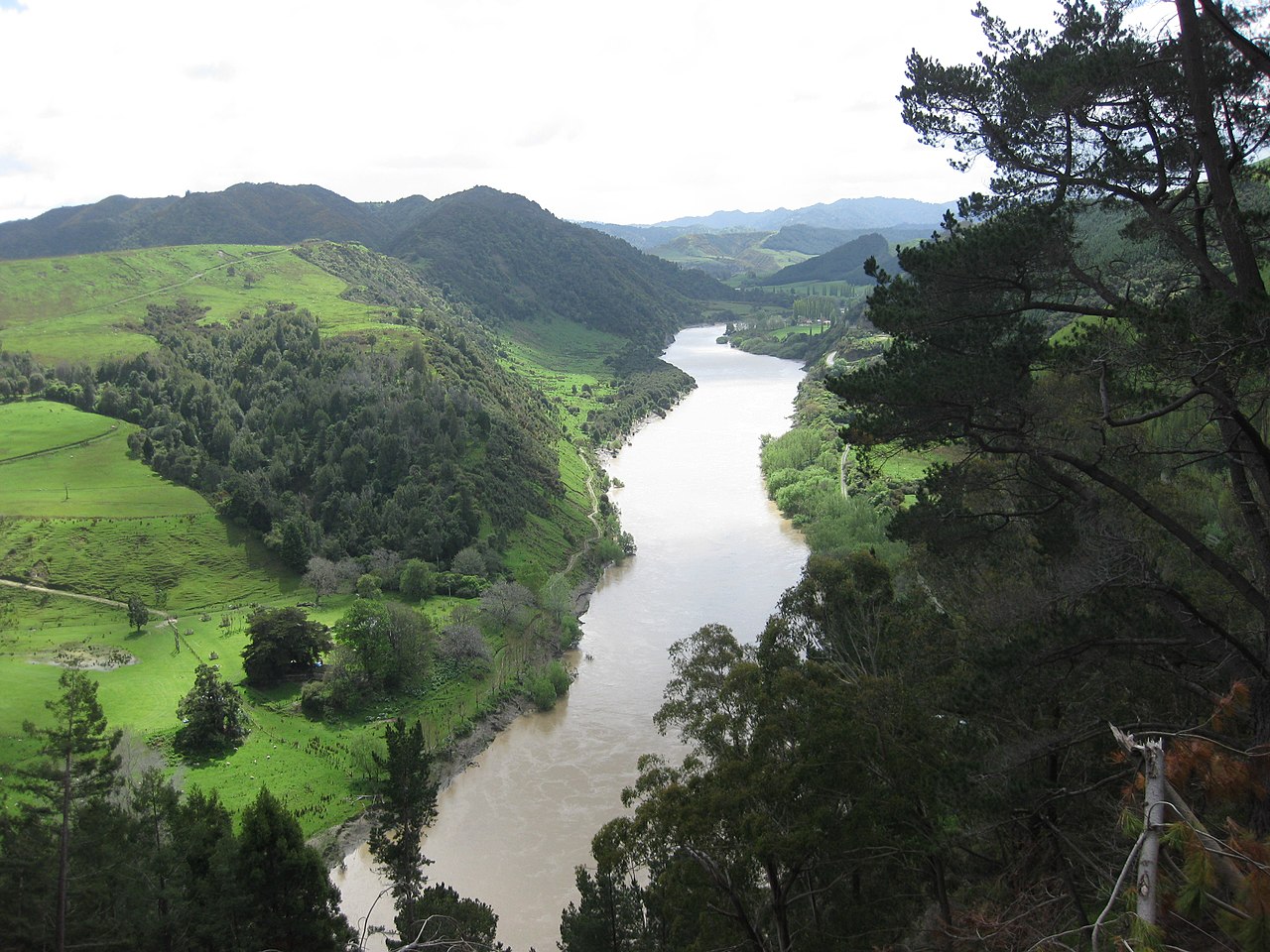
Whanganui River, by Felix Engelhardt on Flickr (CC)
The Constitutional Court of Colombia declared in 2016 that the Atrato River had rights to “protection, conservation, maintenance, and restoration.” This case emerged after Afro-Colombian and Indigenous communities sought protection from illegal mining and deforestation that poisoned their water.
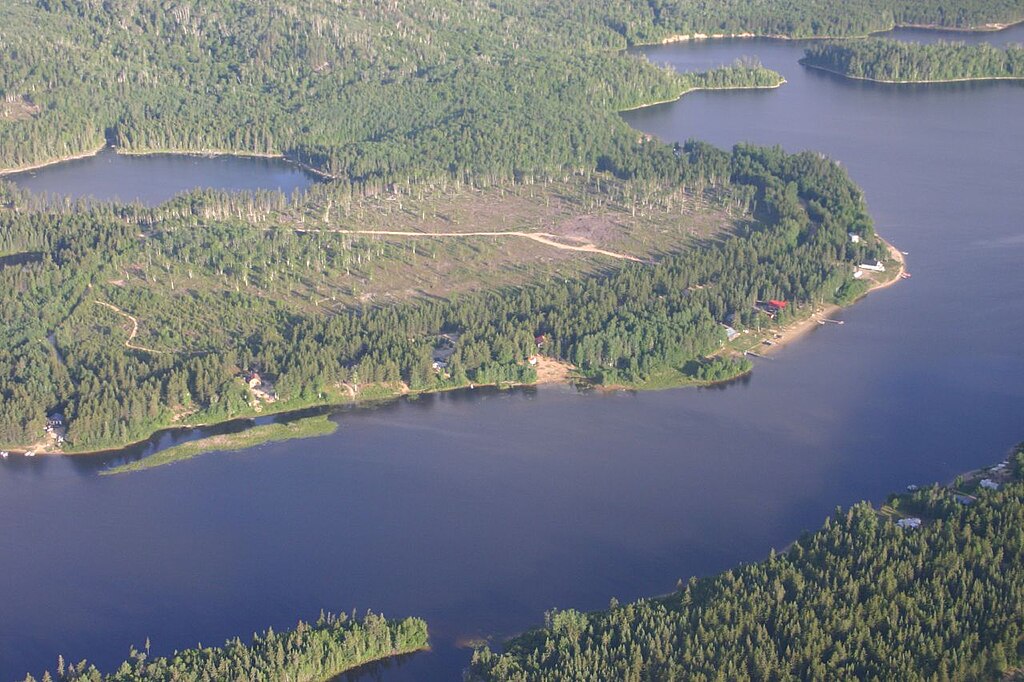
In 2021, the Innu Council of Ekuanitshit and the Minganie regional municipality declared the Magpie River in Quebec to be a legal person. The river was given nine specific rights, including the right to flow, to be free from pollution, and to sue.
In 2017, an Indian court briefly recognized the sacred rivers Ganga and Yamuna as legal persons, citing their central role in life and spirituality. Though later overturned, the ruling remains a key example of how courts are testing new ways of framing ecological stewardship.
In 2020, the Yurok Tribe passed a resolution recognizing the Klamath River’s rights to exist, flourish, and regenerate. This was part of their broader fight against dams and industrial pollution, grounding the law in tribal sovereignty.
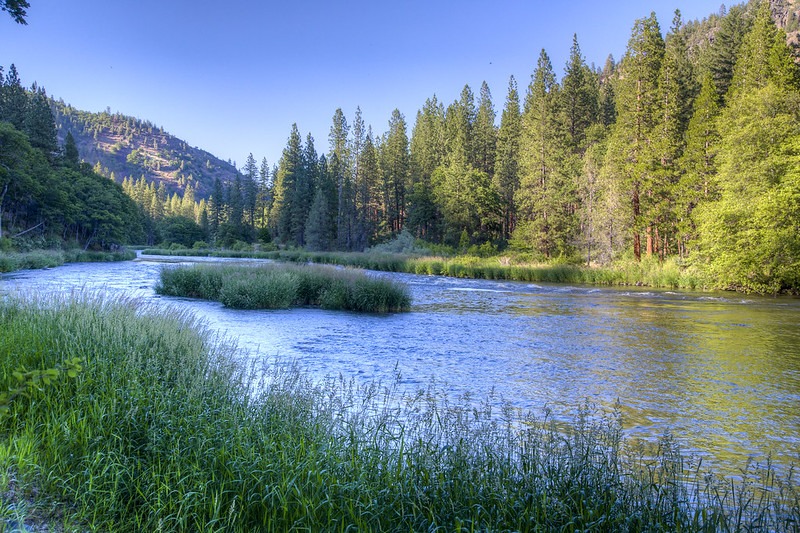
Klamath River, by BLM on Flickr. (CC)
In 2019, voters in Toledo, Ohio, passed the “Lake Erie Bill of Rights,” granting the lake the right to exist, flourish, and naturally evolve. Though it was struck down, it reflected growing frustration over industrial pollution and the failures of traditional environmental regulation.
Grassroots and Indigenous activists in Argentina have pushed for the Paraná Delta wetlands to be recognized as a legal subject, especially after catastrophic fires linked to agribusiness. In 2020, legal petitions were filed to recognize the delta’s right to be preserved.
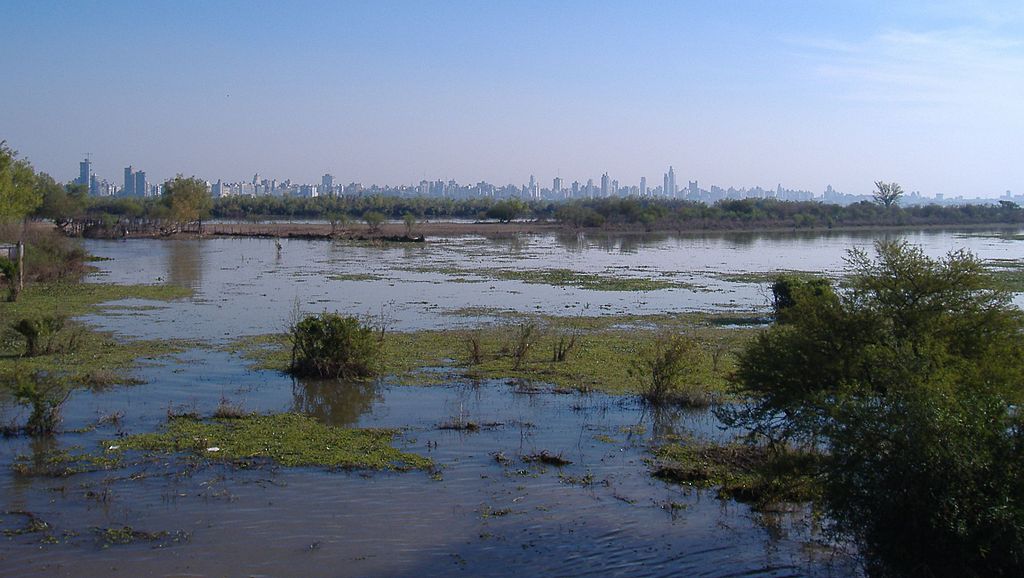
Paraná River delta/wetlands/floodplain. By Pablo D. Flores (CC)
Ecuador’s 2008 constitutional recognition of nature’s rights was tested in 2011 when residents sued on behalf of the Vilcabamba River, which was being damaged by road construction. The court sided with the river, ordering restoration. It remains one of the first successful applications of Ecuador’s constitutional rights of nature.
While not yet law, campaigns led by First Nations and environmental groups have sought to recognize the Great Barrier Reef’s rights to exist and regenerate, especially in the face of climate change and coral bleaching. The proposal has sparked international debate.
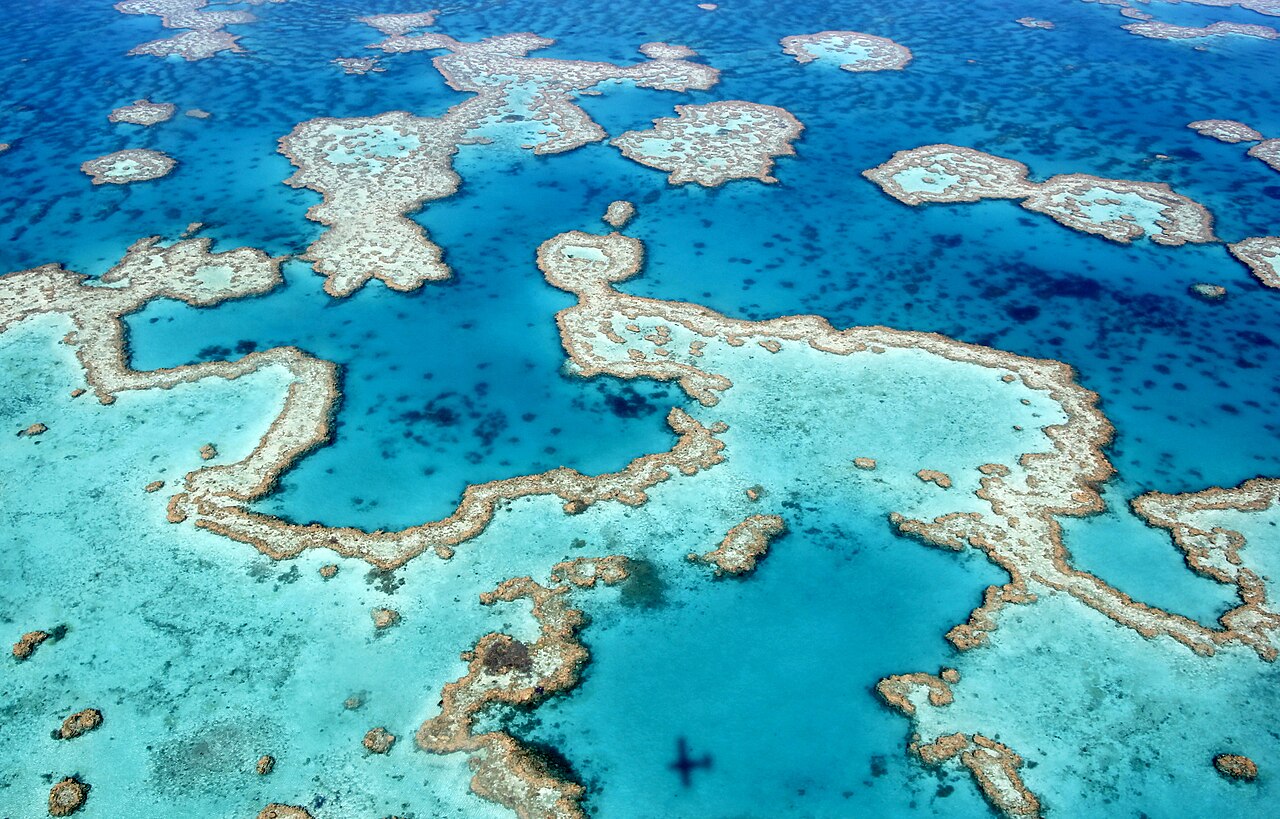
The Great Barrier Reef, By Ayanadak123 (CC)
In 2022, Panama passed sweeping legislation recognizing the Rights of Nature, declaring that the environment and its ecosystems are “subjects of rights” with legal standing. This covers rivers, forests, and species throughout the country.
In 2017, following the Whanganui River settlement, Mount Taranaki was recognized as a legal person through an agreement with eight Māori iwi. The mountain is considered an ancestor, and guardians now represent its interests.
Mount Taranaki, By Dave Young on FLickr (CC)
Through Ecuador’s constitutional provisions, the Galápagos ecosystem has been defended in courts as a rights-bearing entity. Lawsuits have been filed against illegal fishing and over-tourism, with judges upholding the principle that the archipelago itself holds rights.
In 2021, Ecuador’s Constitutional Court ruled in favor of Los Cedros, a biodiverse cloud forest threatened by mining concessions. The court cited the constitutional rights of nature, halting destructive projects and affirming nature’s right to exist and thrive.
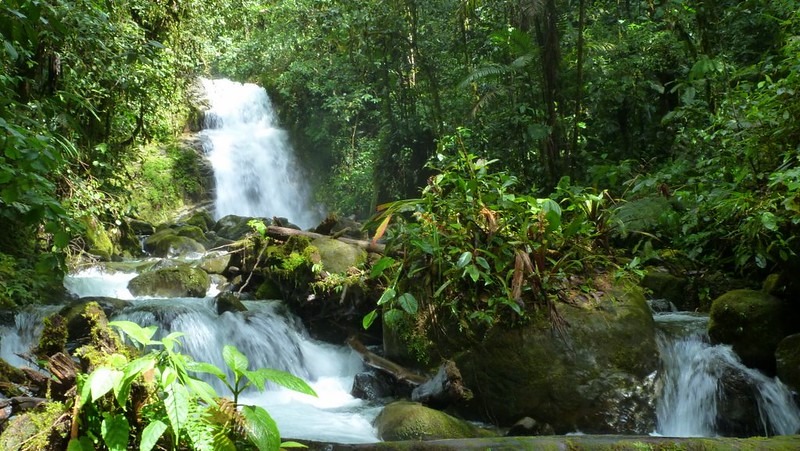
Los Cedros Cloud Forest, By Andreas Kay on Flickr (CC)
The Colorado River Indian Tribes (CRIT) are seeking to confer legal personhood on the Colorado River under tribal law — giving it rights to protection, restoration, and standing in court.
In 2024, Mari Luz Canaquiri Murayari and her Kukama women’s association (Huaynakana Kamatahuara Kana, HKK) successfully secured a court ruling granting legal personhood to the Marañón River. The decision recognized the river’s right to exist, to flow freely, and to be free from oil contamination.
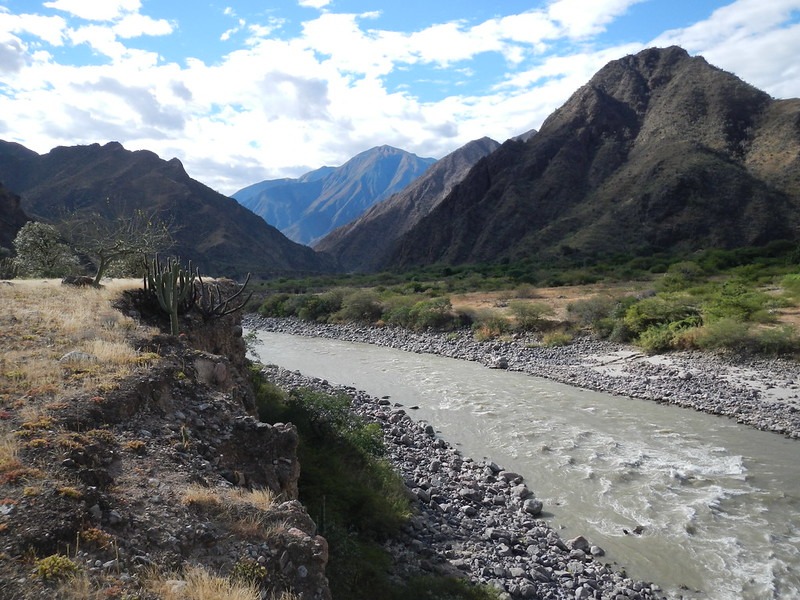
Marañón River, By Rocky Contos/International Rivers on Flickr (CC)
In 2022, Spain’s Mar Menor became Europe’s first ecosystem with legal personhood, following years of toxic algal blooms caused by industrial agriculture. Citizens pushed the initiative through Parliament, showing how grassroots organizing can reshape legal systems.
The Tapajós River in Brazil has become a focal point for rights-of-nature advocacy. Activists and Indigenous groups argue that the river should be granted legal rights and standing, especially in the face of threats like hydropower dams, mining, and deforestation.
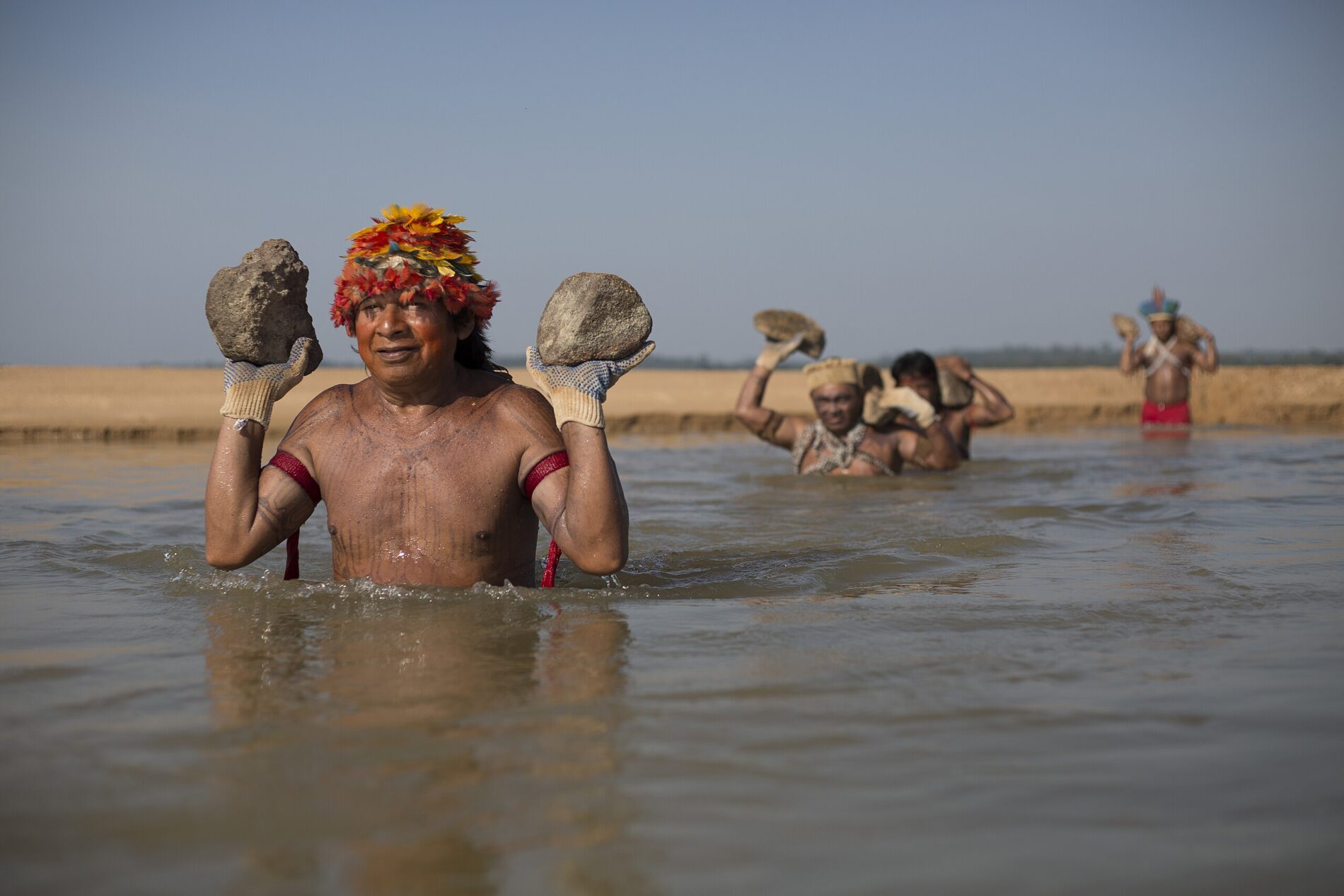
Greenpeace activists and the Munduruku use stones to form the phrase “Free Tapajós” on the sand of a beach on the banks of the river of the same name, near the municipality of Itaituba, Pará. Photo: Greenpeace/Bruno Kelly (CC BY-SA 3.0)
In late 2018 / early 2019, the White Earth Band of Ojibwe enacted a rights of nature law recognizing the inherent rights of manoomin (wild rice). The law declares that manoomin within all the Chippewa-ceded territories has the rights to exist, flourish, regenerate and evolve.
In 2024, the Southern Chiefs’ Organization and Anishinaabe water protectors filed a landmark lawsuit to recognize Lake Winnipeg as a legal person. Grounded in both Section 7 of the Canadian Charter of Rights and Anishinaabe law, the case seeks to affirm the lake’s right to exist, flow, and be restored after decades of industrial damage and artificial regulation.
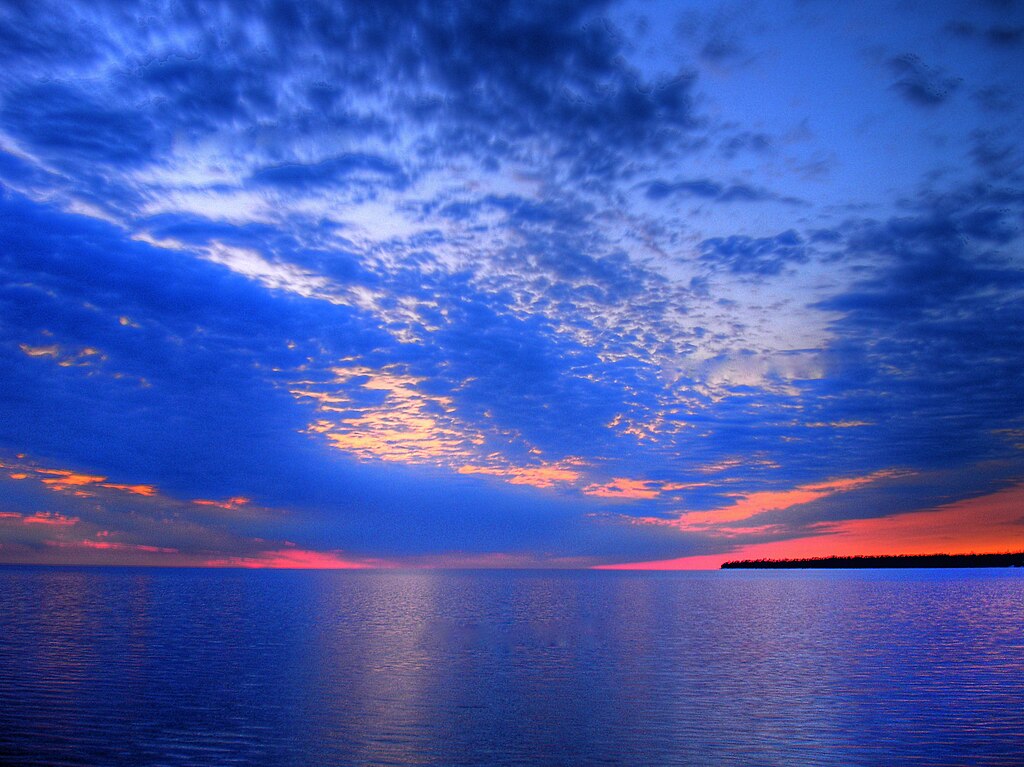
Sunset on Lake Winnipeg, By Non-dropframe (CC)
Last but not least, we have the first Rights of Nature case to be handed down by a court. In 2017 an Ecuador court ruled that nature (rivers, ecosystems) could be defended in court. Filed in 2010, the case centered on two companies that were responsible for massive deforestation, widespread biodiversity loss, and excessive river pollution.
These cases are not scattered curiosities. They are the opening chapters of a global transformation that is restoring balance with the living world. For Indigenous nations, it’s a return to traditional law that colonial systems tried to erase.
But it is not enough to pass symbolic resolutions — these rights must be defended, enforced, and lived out in practice. That means reimagining economies built on extraction, challenging governments that treat ecosystems as expendable, and creating guardianship that is rooted in responsibility.
The movement for the rights of nature is, at its heart, a call to reciprocity. It reminds us that justice cannot stop at human borders. When rivers are free to flow, when forests are allowed to thrive, when mountains are honored as living ancestors, humanity too has a future.
Across the world right now, Indigenous peoples are facing a renewed assault on their lands, rights, and ways of life.
From extractive industries pushing deeper into ancestral territories, to governments rolling back hard-won protections,
the threat is global—and it is growing.
What makes this moment especially dangerous is how little attention it receives.
Stories like this are disappearing in real time. Mainstream media
barely covers it and the coverage is fragmented. The public is left without the context
needed to understand what is truly at stake.
That is exactly why IC Magazine exists..
For more than 20 years, IC has reported on Indigenous struggles worldwide — consistently, independently, and without compromise.
We don’t follow news cycles; we trace patterns. We don’t sensationalize; we provide context.
And when the world looks away, we stay focused.
But this work is increasingly difficult to sustain.
We refuse to lock our reporting behind a paywall. We don’t sell access through subscriptions.
And we don’t answer to advertisers. IC Magazine survives solely because readers like you choose to
support independent Indigenous journalism.
Please donate today if you can. Every contribution helps us to continue this crucial work.
Thank you,
John Ahni Schertow
Founder and Editor in Chief


