
Last Updated on February 24, 2026
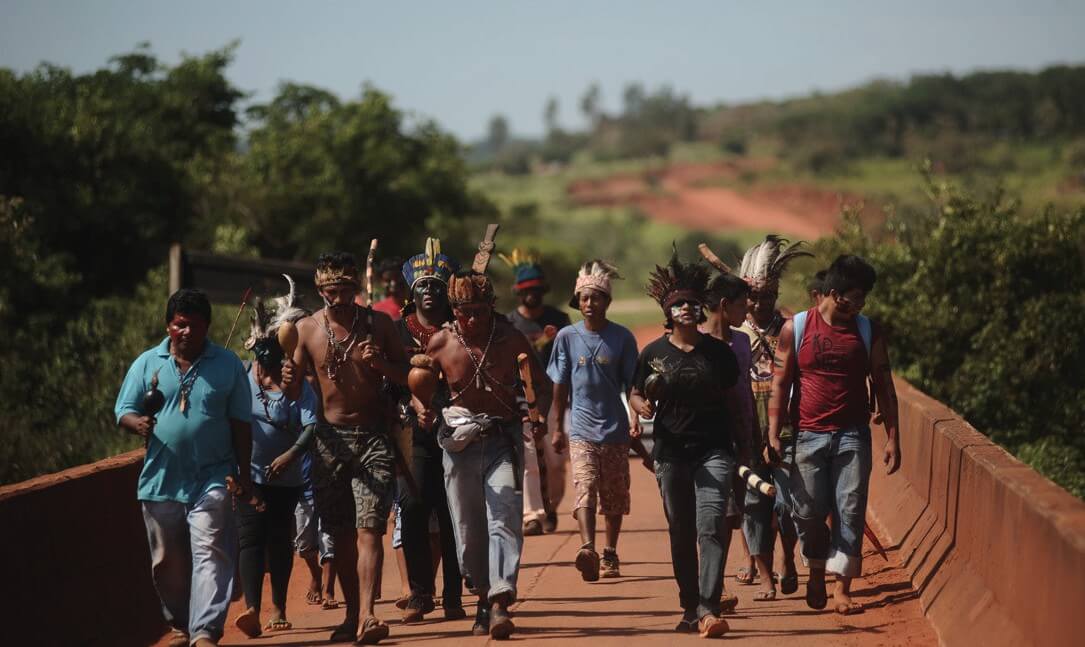
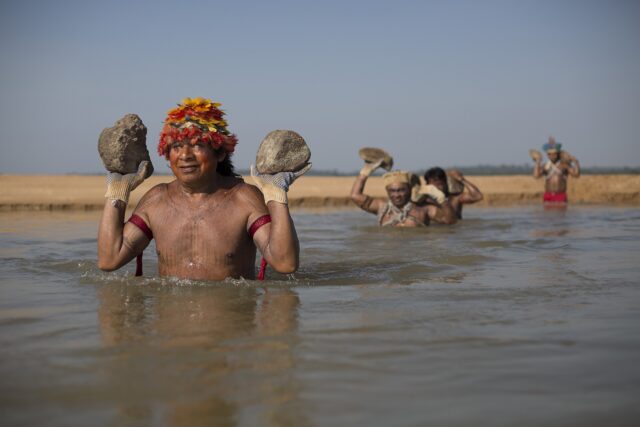
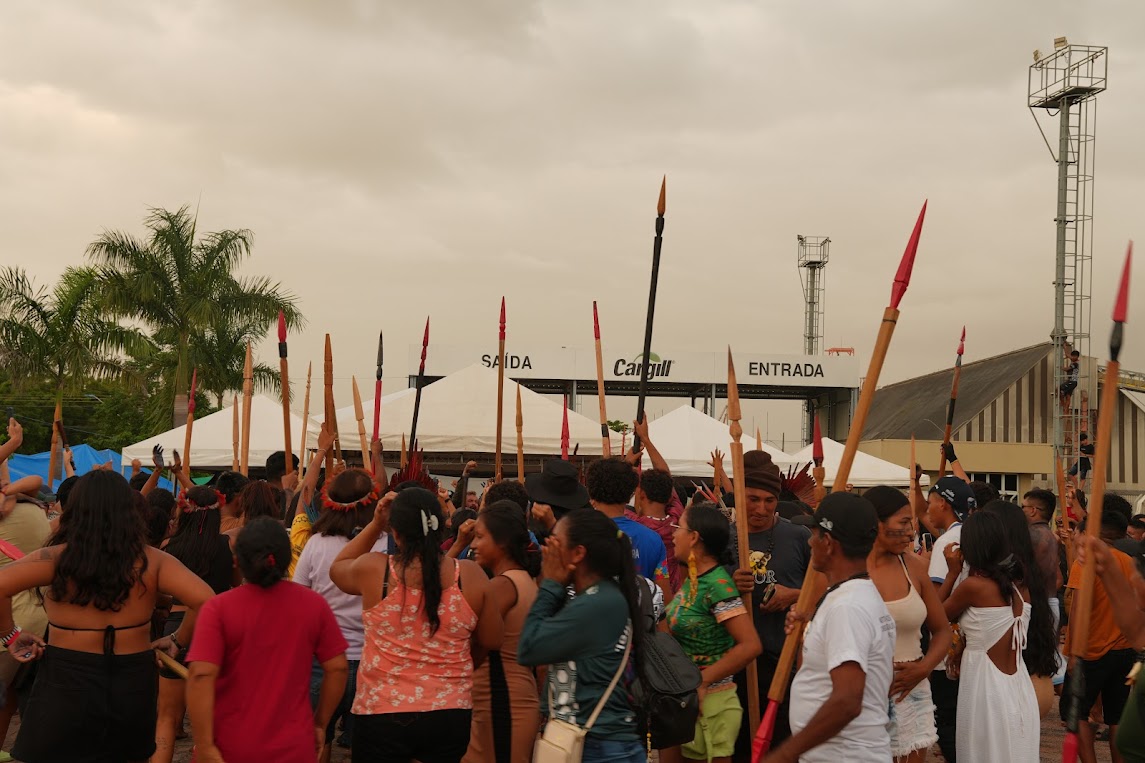
Santarém, Pará, Brazil – On Monday, February 23, Brazil’s government announced the revocation of Decree 12,600/2025, which opened the door to the privatizing the Tapajós, Madeira, and Tocantins rivers for industrial waterways in the Amazon. The government confirmed the decision following a meeting in Brasília between Indigenous leaders Sônia Guajajara, Brazil’s Minister of Indigenous Peoples, and Guilherme Boulos, Minister of the Presidency’s General Secretariat. The announcement came amid an Indigenous occupation of Cargill’s port in Santarém, Pará State, and in the wake of growing national and international solidarity and extensive news coverage of the mobilization.
“We announced the Lula government’s decision to revoke Decree 12,600 after meeting today with the Indigenous peoples of the Tapajós, Tocantins, and Madeira. This government has the capacity to listen to the people, including to review decisions when necessary. The decision will be published in the next edition of the Official Gazette,” Boulos said in a post on social media.
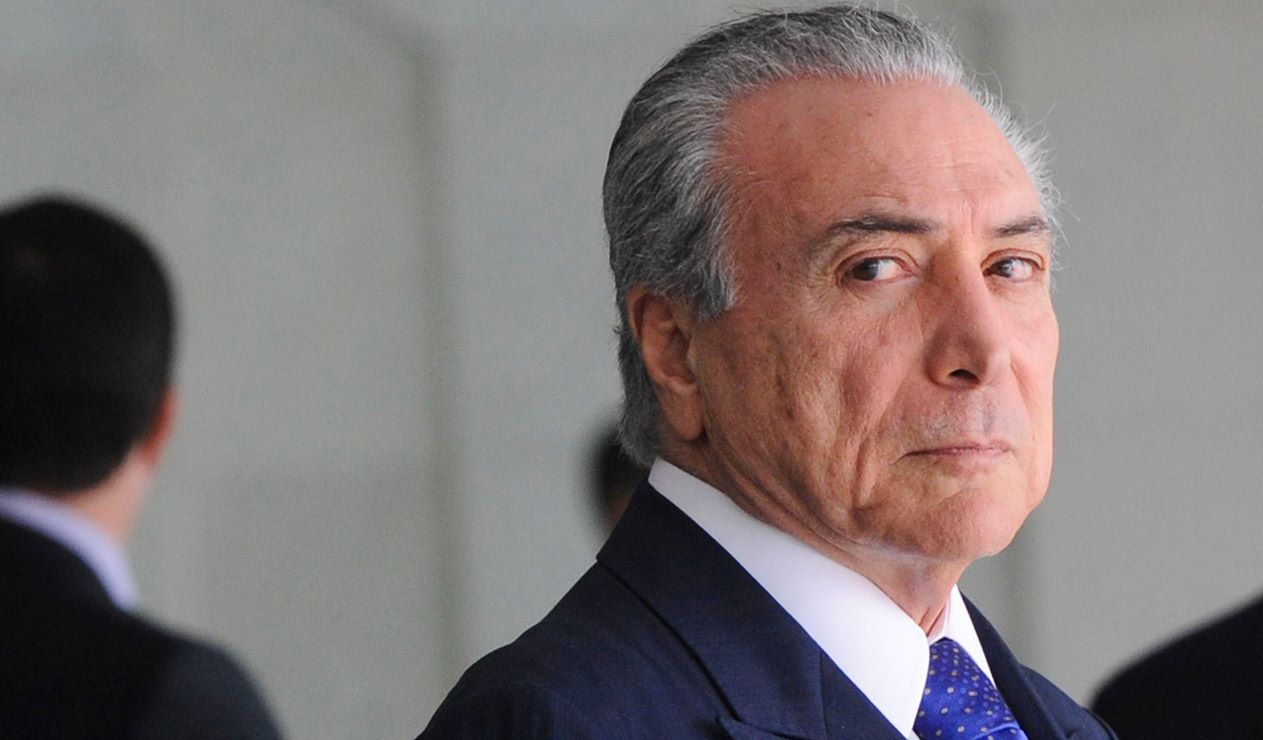
President Luiz Inácio Lula da Silva signed Decree 12,600/2025 in August 2025. Indigenous Peoples and traditional communities challenged the decree because the government advanced it without Free, Prior, and Informed Consent (FPIC), a right guaranteed under ILO Convention 169, to which Brazil is a signatory. The Tapajós mobilization warned of socio-environmental risks and demanded that the government open formal dialogue before taking any measure that alters river use in the region.
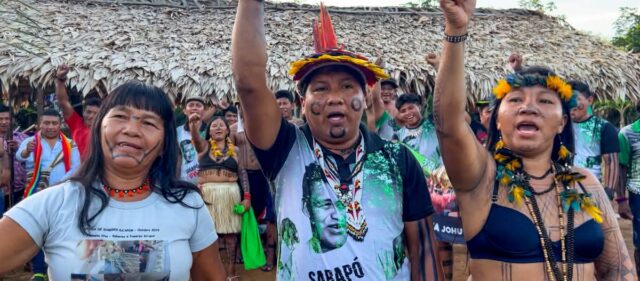
Indigenous leader Alessandra Korap Munduruku, winner of the 2023 Goldman Environmental Prize, credited the revocation to the movement’s organized pressure. “It’s been 33 days under occupation. We blocked the airport road, went to the barge to deliver a message, and here we are at Cargill, forcing the government to revoke Decree 12,600. This is Tapajós resistance!” she said upon receiving the news.
Maria Leusa, another leader of the movement, described the announcement as a collective victory and said the mobilization will continue. “This proves that life – the river – has no price. It cannot be sold, it is not negotiable. That’s why we will never back down,” she said.
The mobilization began on January 22. In the early hours of February 21, protesters occupied Cargill’s offices. Leaders say they will begin demobilizing at the site now that authorities have formally published the revocation in Brazil’s Official Gazette (DOU).
“I followed the human cost of this mobilization closely, day by day. Families, women, and children sustained the resistance for more than a month, tirelessly, under intense sun, rain, and strong winds. They made it. The next step is to turn this willingness to listen into permanent policy, with consultation before, not after, decisions are made. This must apply not only to waterways in the Amazon, but to any and all infrastructure projects pushed to serve agribusiness interests while bringing destruction to the peoples who live there,” said Daleth Oliveira, Brazil Communications Advisor at Amazon Watch.
Across the world right now, Indigenous peoples are facing a renewed assault on their lands, rights, and ways of life.
From extractive industries pushing deeper into ancestral territories, to governments rolling back hard-won protections,
the threat is global—and it is growing.
What makes this moment especially dangerous is how little attention it receives.
Stories like this are disappearing in real time. Mainstream media
barely covers it and the coverage is fragmented. The public is left without the context
needed to understand what is truly at stake.
That is exactly why IC Magazine exists..
For more than 20 years, IC has reported on Indigenous struggles worldwide — consistently, independently, and without compromise.
We don’t follow news cycles; we trace patterns. We don’t sensationalize; we provide context.
And when the world looks away, we stay focused.
But this work is increasingly difficult to sustain.
We refuse to lock our reporting behind a paywall. We don’t sell access through subscriptions.
And we don’t answer to advertisers. IC Magazine survives solely because readers like you choose to
support independent Indigenous journalism.
Please donate today if you can. Every contribution helps us to continue this crucial work.
Thank you,
John Ahni Schertow
Founder and Editor in Chief