Last Updated on May 9, 2026
A proposed bill in Brazil aimed at accelerating the extraction of so-called critical minerals is drawing sharp criticism from Indigenous leaders who warn the legislation prioritizes mining expansion over ecological safeguards and constitutional protections for Indigenous territories.
Bill 2,780/2024 is currently advancing through Brazil’s Congress. It seeks to streamline licensing and investment for minerals considered essential to the global energy transition, including lithium, nickel, cobalt and rare earth elements used in electric vehicles, batteries and renewable energy infrastructure.
Supporters argue the measure could position Brazil as a leading supplier in the rapidly expanding global clean energy economy.
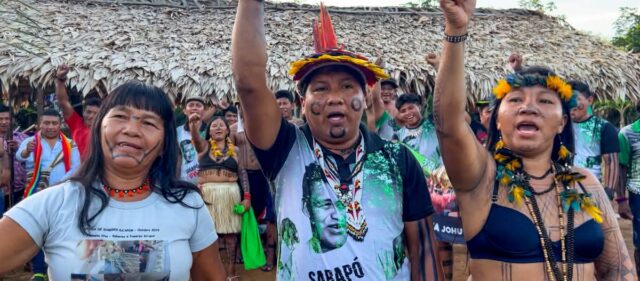
But critics say the legislation reflects a familiar pattern in which Indigenous communities are excluded from decisions affecting their lands while environmental protections are weakened in the name of development.
Indigenous organizations like the Articulation of Indigenous Peoples of Brazil (APIB) contend the bill lacks adequate guarantees for Free, Prior and Informed Consent (FPIC), a right that’s recognized under international law and supported by ILO convention 169, which Brazil ratified in 2002.
According to APIB, the proposed bill replaces the right to FPIC with a “generic dialogue” that fails to guarantee community decision-making power.
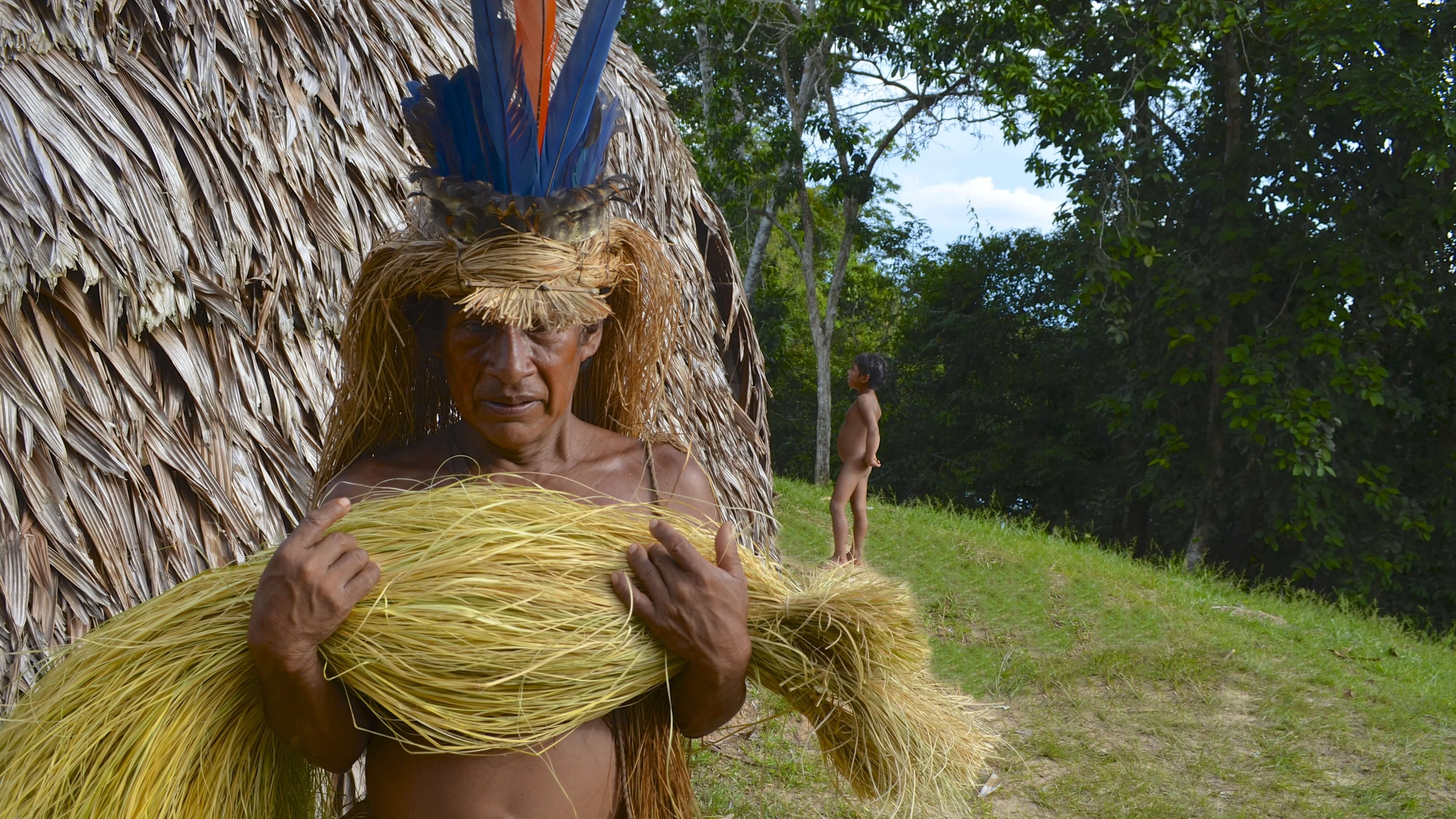
“This absence is particularly sensitive when considering the Brazilian constitutional framework. Article 231 of the Federal Constitution recognizes Indigenous peoples’ original rights over the lands they traditionally occupy, as well as their social organization, customs, languages, and traditions. Furthermore, it establishes that the exploitation of natural resources in Indigenous lands depends on authorization from the National Congress after hearing the affected communities,” APIB said in a statement.
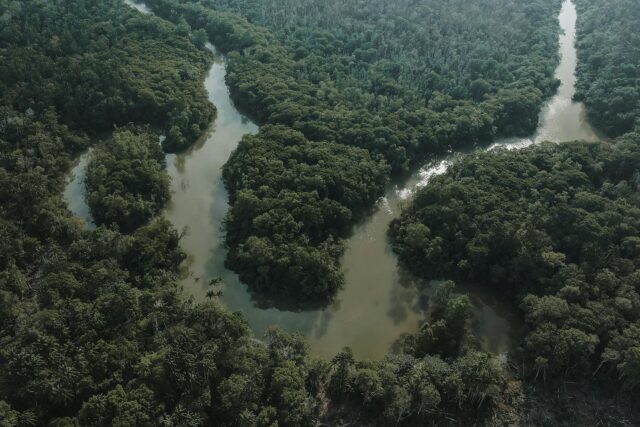
Environmental groups also warn that increased mining activity in sensitive regions, including parts of the Amazon rainforest, could intensify deforestation, contaminate waterways and place additional pressure on Indigenous territories already facing illegal mining invasions.
The proposed legislation has become part of a growing global debate over whether the transition to clean energy is fueling a new wave of extractivism concentrated on Indigenous lands across Latin America, Africa and Asia, where many of the world’s critical mineral deposits are located.
Across the world right now, Indigenous peoples are facing a renewed assault on their lands, rights, and ways of life.
From extractive industries pushing deeper into ancestral territories, to governments rolling back hard-won protections,
the threat is global—and it is growing.
What makes this moment especially dangerous is how little attention it receives.
Stories like this are disappearing in real time. Mainstream media
barely covers it and the coverage is fragmented. The public is left without the context
needed to understand what is truly at stake.
That is exactly why IC Magazine exists..
For more than 20 years, IC has reported on Indigenous struggles worldwide — consistently, independently, and without compromise.
We don’t follow news cycles; we trace patterns. We don’t sensationalize; we provide context.
And when the world looks away, we stay focused.
But this work is increasingly difficult to sustain.
We refuse to lock our reporting behind a paywall. We don’t sell access through subscriptions.
And we don’t answer to advertisers. IC Magazine survives solely because readers like you choose to
support independent Indigenous journalism.
Please donate today if you can. Every contribution helps us to continue this crucial work.
Thank you,
John Ahni Schertow
Founder and Editor in Chief