Last Updated on April 10, 2025
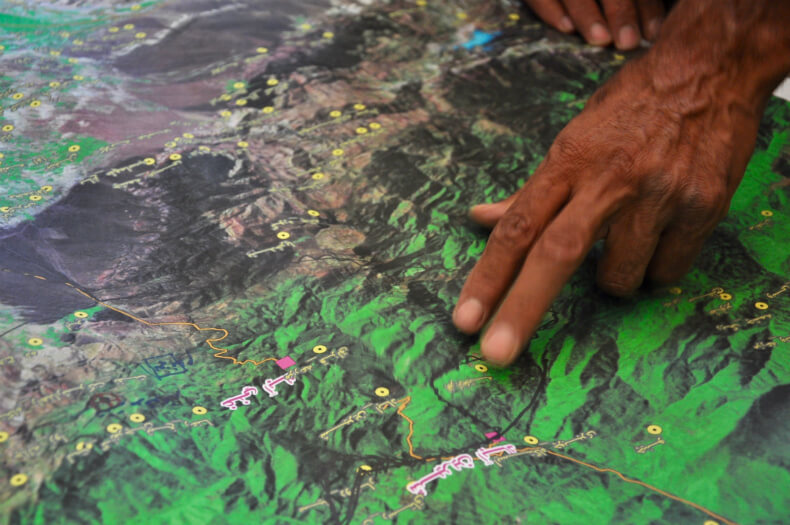
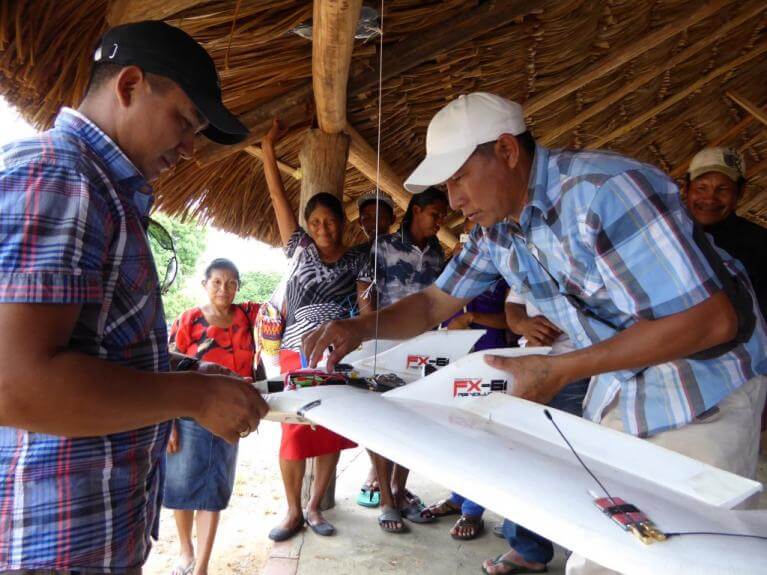
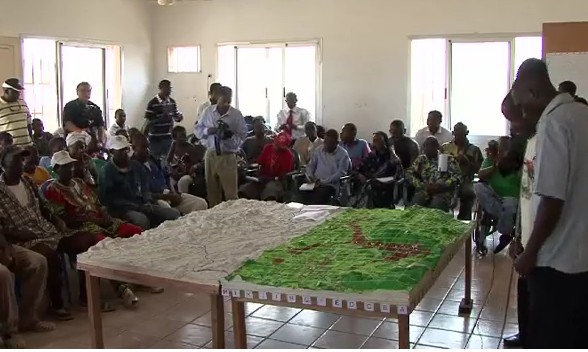
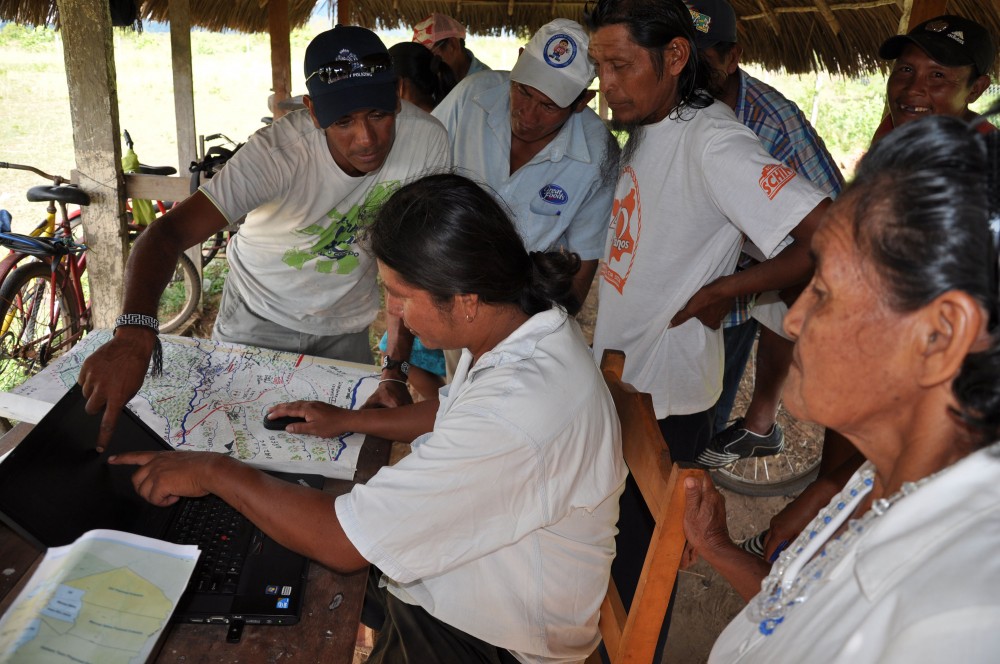
Over the last few years, participatory mapping by indigenous communities has been heralded as a breakthrough in their relations with corporations and modern states. As the theory goes, by mapping sacred cultural sites and natural resources essential to their survival, indigenous nations can help corporate states avoid unnecessary conflict through cooperative conservation. Of course, that is only one theory, the other being that by informing corporate states of their most fundamental vulnerabilities, indigenous nations are plotting their own doom.
As it happens, this concern over betrayal by modern states, corporations and NGOs behind the participatory mapping phenomenon is well-founded. According to renowned cartographer and social scientist Denis Wood, his research in Oaxaca, Mexico reveals that participatory mapping gets turned into a method for making maps that support state and military interventions into Indigenous life. The title of his forthcoming book — Weaponizing Maps, a genealogy of U.S. Army mapping of indigenous populations where counter-insurgency military measures have been used for U.S. interests abroad — kind of sums up his view on the topic.
While participatory mapping can help indigenous peoples better understand their situation, when shared with their potential enemies, it is a double-edged sword.
Across the world right now, Indigenous peoples are facing a renewed assault on their lands, rights, and ways of life.
From extractive industries pushing deeper into ancestral territories, to governments rolling back hard-won protections,
the threat is global—and it is growing.
What makes this moment especially dangerous is how little attention it receives.
Stories like this are disappearing in real time. Mainstream media
barely covers it and the coverage is fragmented. The public is left without the context
needed to understand what is truly at stake.
That is exactly why IC Magazine exists..
For more than 20 years, IC has reported on Indigenous struggles worldwide — consistently, independently, and without compromise.
We don’t follow news cycles; we trace patterns. We don’t sensationalize; we provide context.
And when the world looks away, we stay focused.
But this work is increasingly difficult to sustain.
We refuse to lock our reporting behind a paywall. We don’t sell access through subscriptions.
And we don’t answer to advertisers. IC Magazine survives solely because readers like you choose to
support independent Indigenous journalism.
Please donate today if you can. Every contribution helps us to continue this crucial work.
Thank you,
John Ahni Schertow
Founder and Editor in Chief