
Last Updated on December 6, 2019
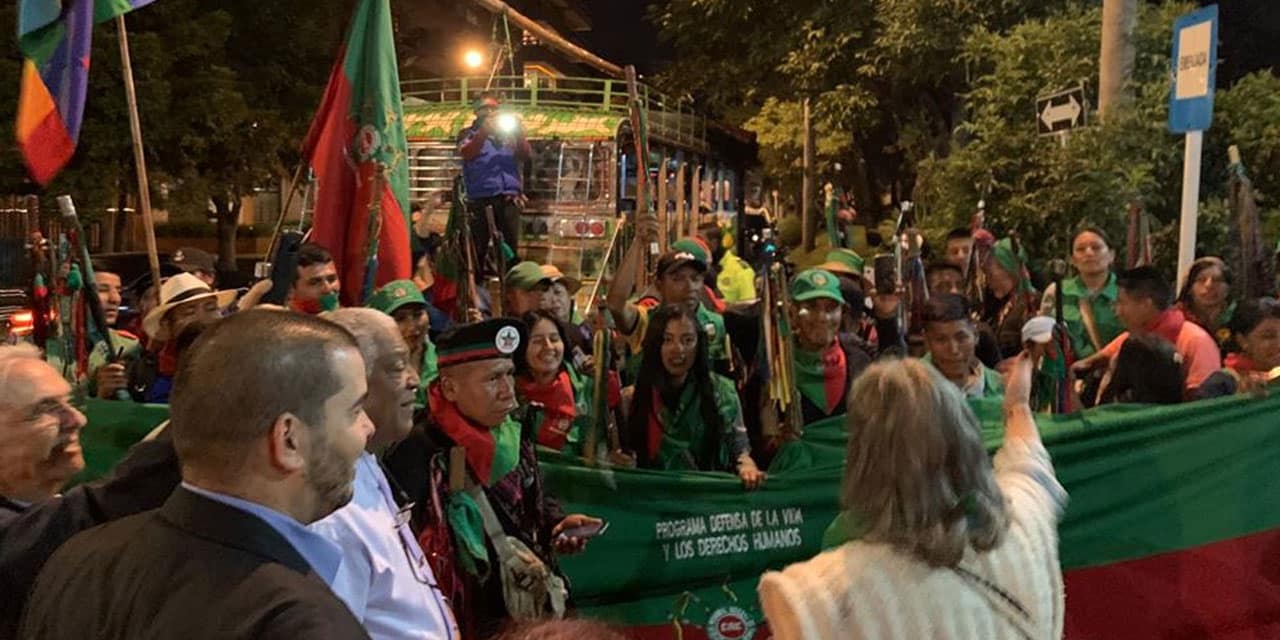
If Colombia’s President Ivan Duque doesn’t respond to native Colombians’ concerns before Saturday, 30,000 of them will travel to Bogota and “take” the presidential palace, a representative said Thursday.
The indigenous ultimatum is the latest escalation of pressure on Duque, who has been confronted with the biggest anti-government protests in more than four decades.
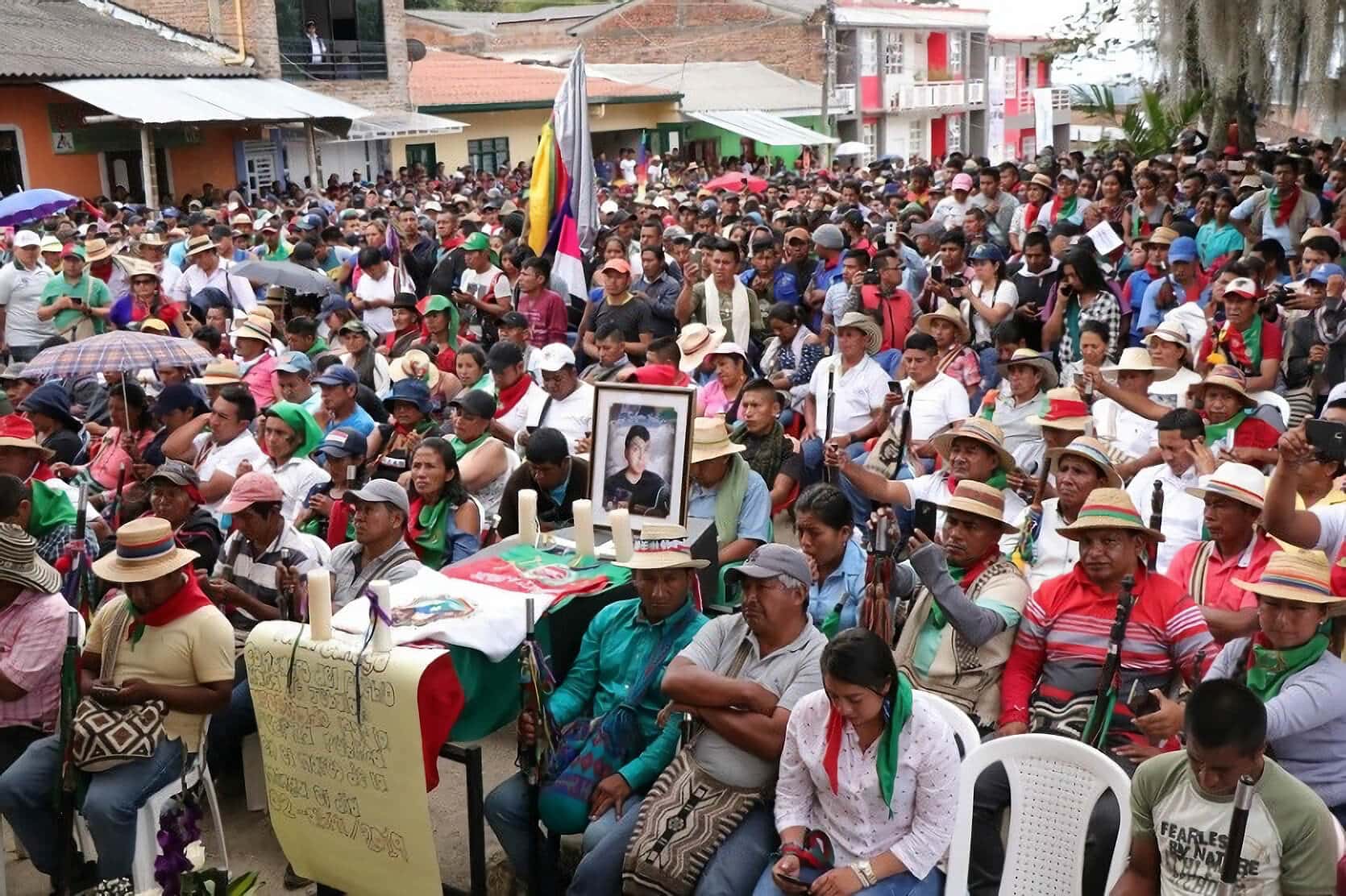
The patience of the native Colombians from the southwestern Cauca province ran out after government delegates were still holding off negotiations with social leaders on Thursday, two weeks after protests broke out throughout Colombia.
The indigenous joined the student organizations and labor unions in early November after one of their governors became the latest victim in a wave of deadly violence that have hit their communities.
We ask you to fulfill the commitments, the agreements that have been signed many years go, because if not we will leave in a caravan next week.Indigenous representative Herney Flor
“This is the last warning and the last demand we make,” said Herney Flor of the Regional Indigenous Council of Cauca resolutely.
Hundreds of indigenous guards traveled to cities like Bogota, Medellin and Cali earlier this week to maintain order at anti-government protests that seek far-reaching policy changes from the government.
The strikes and protests have cornered Duque, whose approval rating has plummeted to 24% after only 15 months in office, according to the latest poll.
Duque’s refusal to negotiate has caused major cracks in his minority coalition and even within his far-right Democratic Center party, which received an electoral beating in local elections in October.
The president’s attempts to violently strike down peaceful protest and security forces’alleged use of terror tactics have only made things worse for the president.
The protests, in the meantime, have maintained momentum with ease as different organizations spontaneously join the strikes and protest against the increasingly weak president.
Across the world right now, Indigenous peoples are facing a renewed assault on their lands, rights, and ways of life.
From extractive industries pushing deeper into ancestral territories, to governments rolling back hard-won protections,
the threat is global—and it is growing.
What makes this moment especially dangerous is how little attention it receives.
Stories like this are disappearing in real time. Mainstream media
barely covers it and the coverage is fragmented. The public is left without the context
needed to understand what is truly at stake.
That is exactly why IC Magazine exists..
For more than 20 years, IC has reported on Indigenous struggles worldwide — consistently, independently, and without compromise.
We don’t follow news cycles; we trace patterns. We don’t sensationalize; we provide context.
And when the world looks away, we stay focused.
But this work is increasingly difficult to sustain.
We refuse to lock our reporting behind a paywall. We don’t sell access through subscriptions.
And we don’t answer to advertisers. IC Magazine survives solely because readers like you choose to
support independent Indigenous journalism.
Please donate today if you can. Every contribution helps us to continue this crucial work.
Thank you,
John Ahni Schertow
Founder and Editor in Chief