Last Updated on February 24, 2026
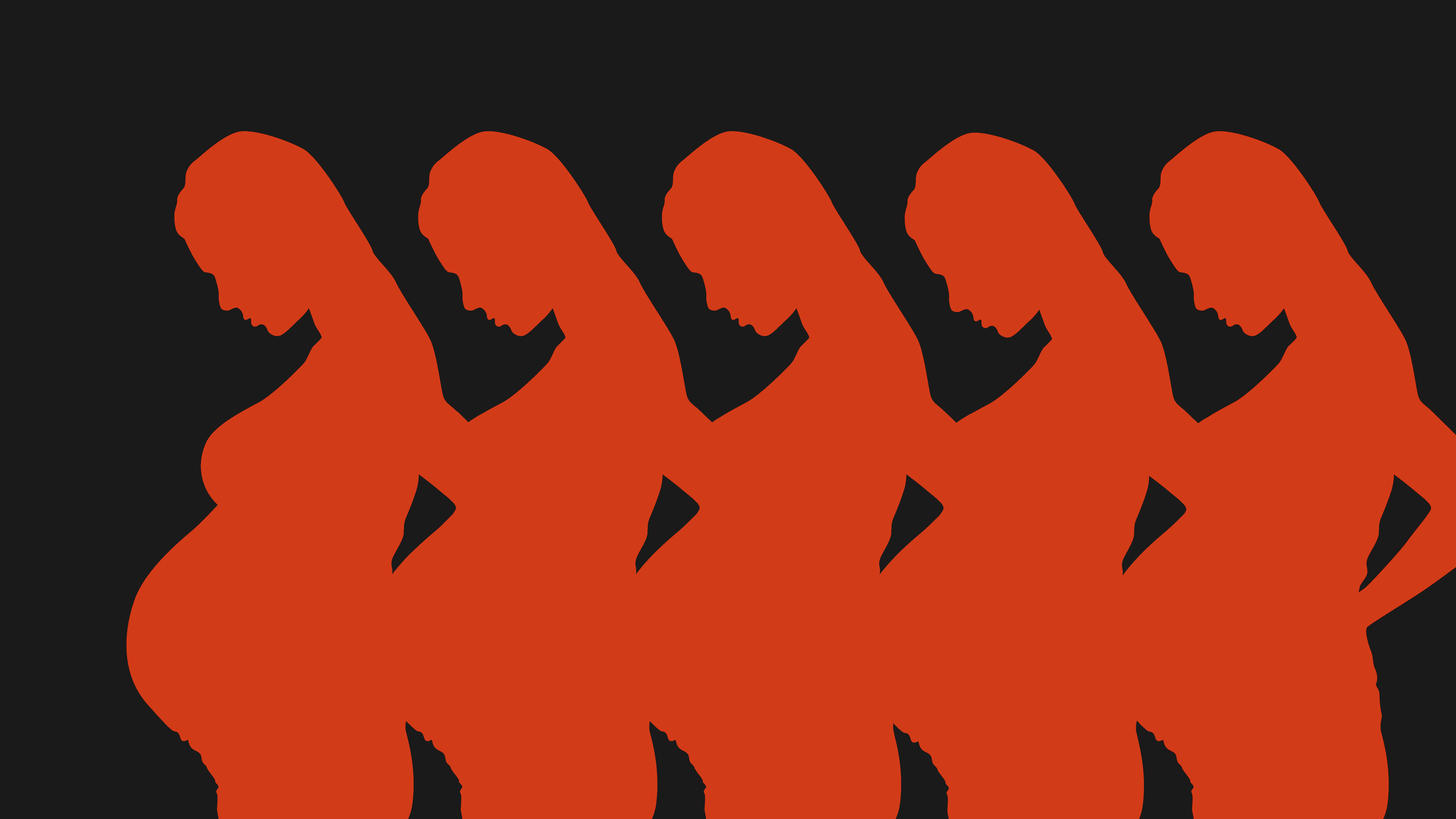
From Parliament Hill to community gathering spaces across the country, Indigenous peoples and their allies are rallying across Canada to call on Parliament to adopt legislation that would make forced and coerced sterilization a criminal offense.
At the center of those calls is Bill S-228, proposed legislation that would amend the Criminal Code to explicitly classify non-consensual sterilization as an aggravated form of assault.
“The bill has already been scrutinized and studied extensively in the Senate. Now, the House of Commons has the opportunity to take a historic leap and step in pursuing justice while protecting the next generation of Indigenous people,” said Harmony Redsky, Executive Director of the Survivors Circle for Reproductive Justice, at a news conference in Ottawa.
“We want to take a moment to recognize that the practice of forced and coerced sterilization has deep colonial roots in Canadian history, we must be clear that this practice is a contemporary and ongoing human rights violation.”
“The legislation will send a clear message that such acts are unacceptable, there are consequences for conducting sterilization procedures without consent; and most importantly, this bill affirms justice for survivors and protects future generations.”
According to the Survivors Circle for Reproductive Justice, there are somewhere between 12,000 and 15,000 survivors in Canada. “And we feel we’ve only scratched the surface… Many more folks who may not previously have been identified are now self-identifying as survivors. So we don’t know what the true number is, and we have a lot of work to do,” Harmony Redsky told IC in a recent interview.
Many survivors are unaware that sterilization procedures were performed on them.
“This bill exists because survivors came forward. They told Canada what happened to them not generations ago, but in modern hospitals in our lifetime. They told us they were sterilized at their most vulnerable time, during labour, while under medication, under pressure, or facing threats from an authority figure,” said Senator Yvonne Boyer, a representative for Ontario in Canada’s Senate.
“This practice has disproportionately harmed Indigenous women, but it’s also affected people with disabilities, racialized women, gender-diverse people, others who were treated as though their reproductive choices didn’t matter. The Senate has studied this issue thoroughly. Survivors testified directly. Their message was clear: criminalize forced and coerced sterilization. Bill S-228 is the result of this work.”
Member of Parliament Jamie Schmale introduced the bill in October 2025, following Senator Yvonne Boyer’s introduction of Senate Bill S-250, which originally criminalized forced sterilization in Canada.
“Coerced or forced sterilization is a deeply troubling violation of human rights with a legacy that has disproportionately affected Indigenous Peoples in Canada,” said Schmale. “This Bill will ensure that these acts are clearly defined and explicitly criminalized under the law.”
“We call on all members of Parliament to stand with survivors and future generations and pass this bill without delay,” said Redsky.
“Bill S-228 is simple, precise and it’s urgently needed. It makes one thing unmistakably clear in Canadian law that sterilizing a person without their free and informed consent is aggravated assault,” said Boyer.
Across the world right now, Indigenous peoples are facing a renewed assault on their lands, rights, and ways of life.
From extractive industries pushing deeper into ancestral territories, to governments rolling back hard-won protections,
the threat is global—and it is growing.
What makes this moment especially dangerous is how little attention it receives.
Stories like this are disappearing in real time. Mainstream media
barely covers it and the coverage is fragmented. The public is left without the context
needed to understand what is truly at stake.
That is exactly why IC Magazine exists..
For more than 20 years, IC has reported on Indigenous struggles worldwide — consistently, independently, and without compromise.
We don’t follow news cycles; we trace patterns. We don’t sensationalize; we provide context.
And when the world looks away, we stay focused.
But this work is increasingly difficult to sustain.
We refuse to lock our reporting behind a paywall. We don’t sell access through subscriptions.
And we don’t answer to advertisers. IC Magazine survives solely because readers like you choose to
support independent Indigenous journalism.
Please donate today if you can. Every contribution helps us to continue this crucial work.
Thank you,
John Ahni Schertow
Founder and Editor in Chief