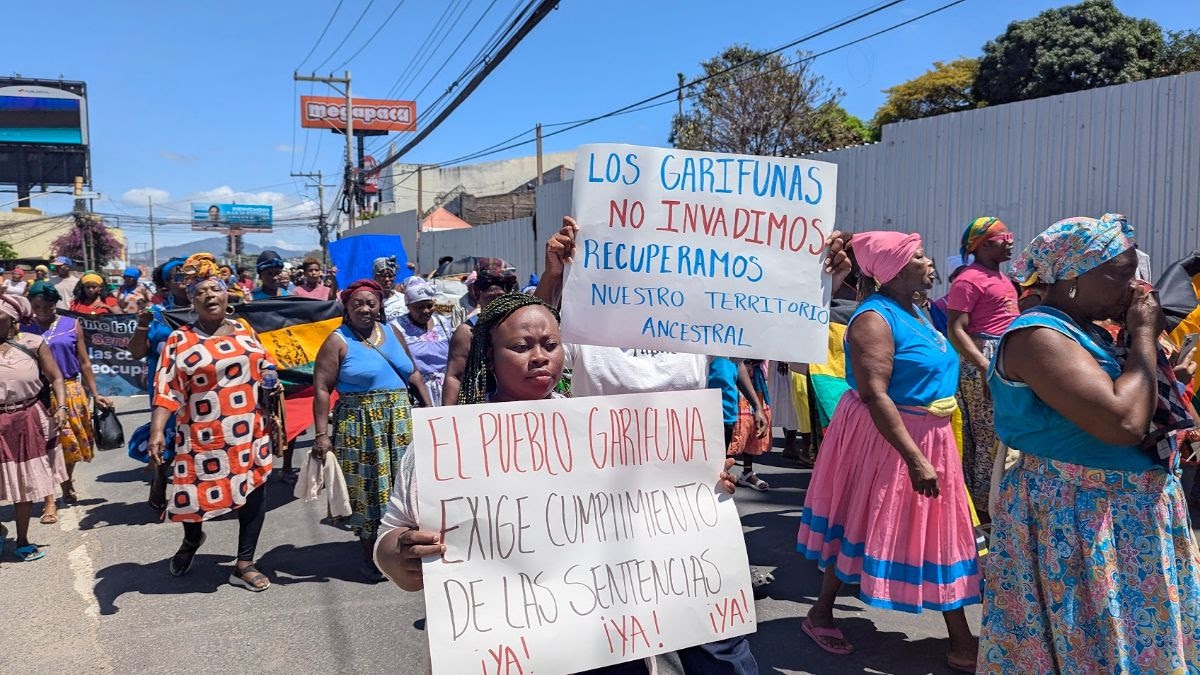
The Garifuna Peoples are an Afro-Indigenous group with roots tracing back to the intermingling of West African, Arawak, and Carib peoples. Originally from the Caribbean island of St. Vincent, they were exiled by the British in the late 18th century and resettled along the Caribbean coasts of Central America, particularly in Honduras, Belize, Guatemala, and Nicaragua. The Garifuna are celebrated for their vibrant culture, which includes a rich oral tradition, drumming, dance, and a language that blends Arawakan, Carib, French, and Spanish influences.
Despite their resilience, the Garifuna face numerous challenges, including land dispossession, systemic discrimination, and cultural assimilation. In coastal areas, Garifuna communities are increasingly under threat from tourism development and agro-industrial expansion, which encroach on their ancestral lands and threaten traditional livelihoods like fishing and farming. Additionally, younger generations face pressure to adopt dominant languages and lifestyles, leading to a gradual loss of Garifuna language and identity.
What stands out most about the Garifuna Peoples is their unwavering commitment to cultural preservation. Through music, dance, and community-led education, they continue to teach their language and traditions to younger generations. In 2001, UNESCO recognized the Garifuna language, dance, and music as a “Masterpiece of the Oral and Intangible Heritage of Humanity,” helping raise international awareness of their contributions. Their story is a powerful example of how Indigenous communities can maintain cultural vitality in the face of adversity.