
Last Updated on April 10, 2025
In 1992, when U.S. President George H.W. Bush’s White House staff David Macintosh spoke to the national Wise Use conference to congratulate American industrial leaders for their movement’s success at intimidating environmental activists, it was a harbinger of things to come. Two years later, armed militias recruited by Wise Use agent provocateurs were making death threats against environmental policy advocates like Audubon Society members. This became such a problem, that a Congressional hearing was held to look into Wise Use Movement intimidation and violence as a component of domestic terrorism.
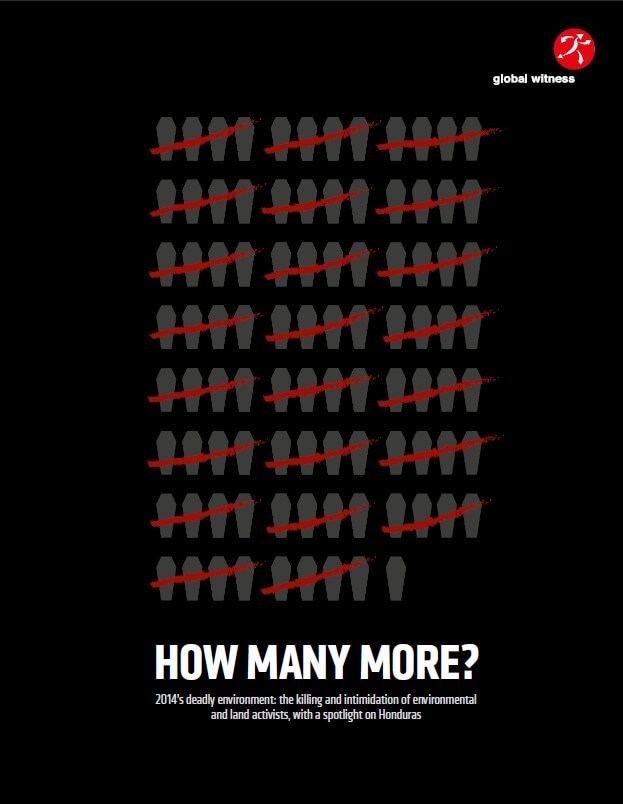
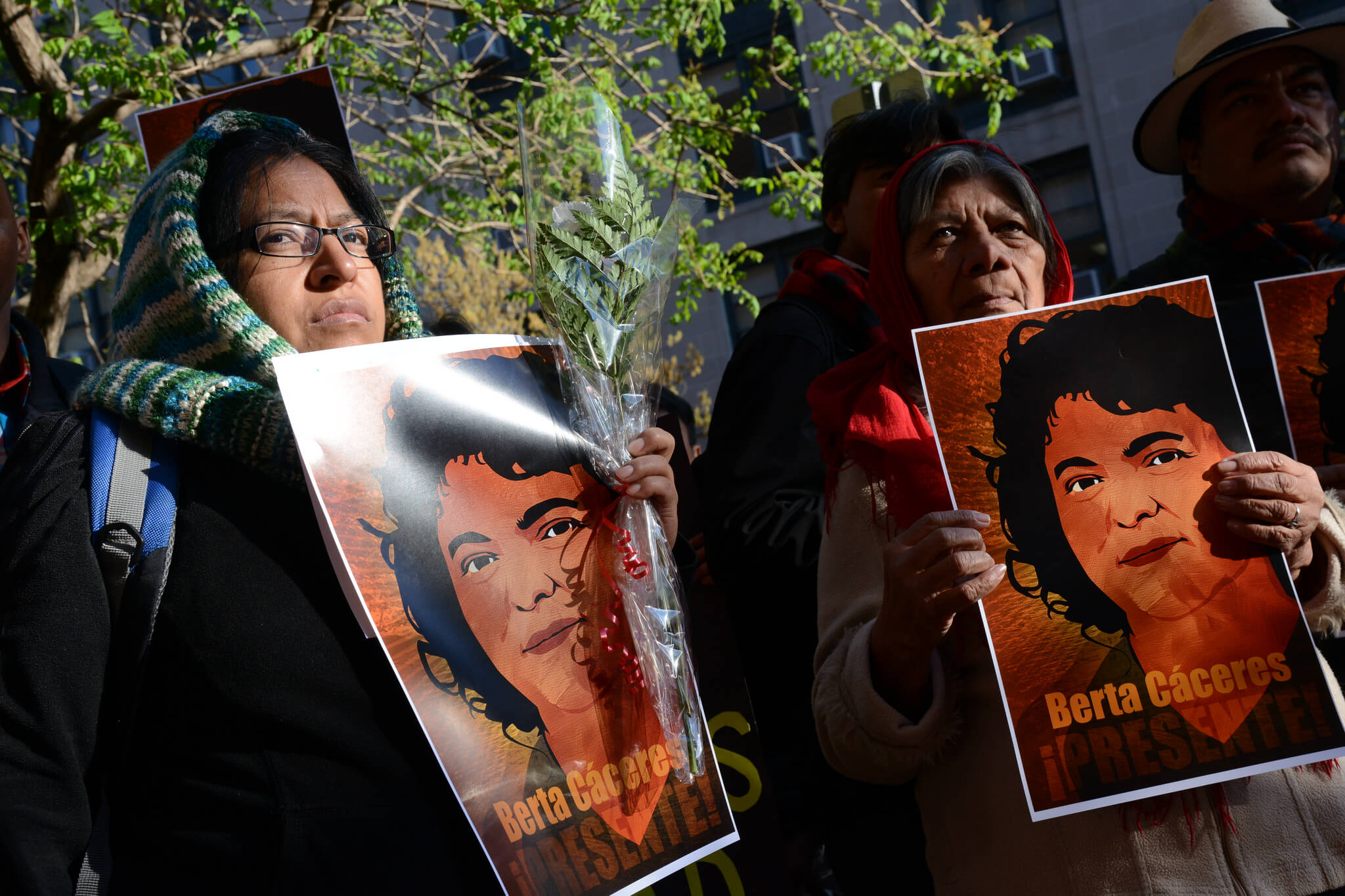
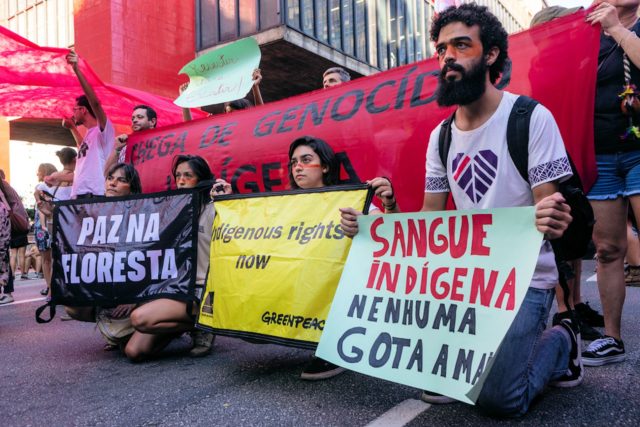
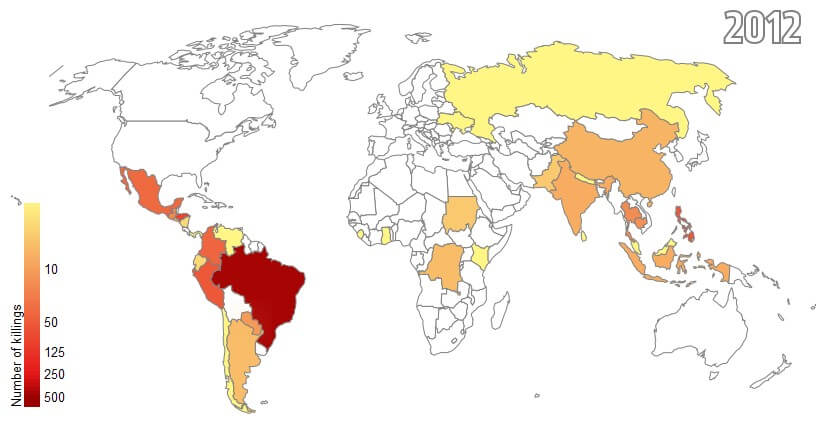
In 2012, twenty years later, the murder of environmental activists worldwide had doubled in a decade to two per week. In the same period that 908 environmental activists were killed, 913 journalists were also murdered.
While these killings designed to silence environmental activism and deprive citizens of the right to know about government and corporate corruption happened mostly in Central and South America, as well as Asia, they are only the confirmed killings. In Africa, some countries are too dangerous to attempt confirmation.
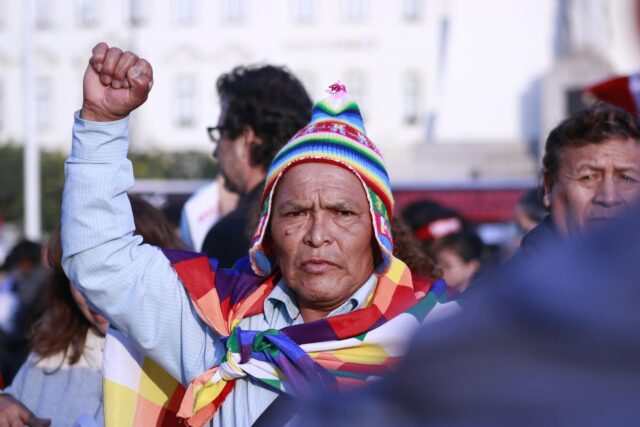
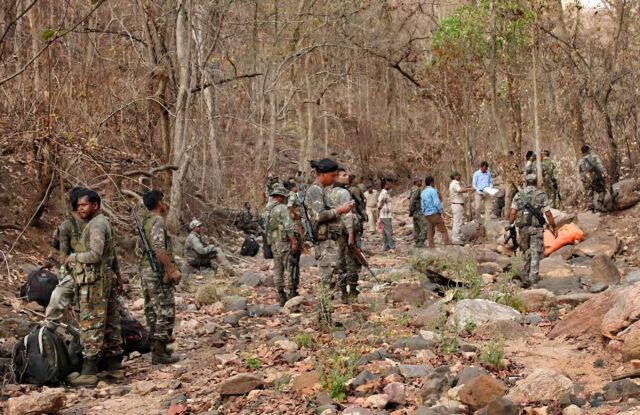
As noted by Global Witness in its report Deadly Environment: The Dramatic Rise in Killings of Environmental and Land Defenders, this crisis was noted in 2012 by the UN High Commissioner for Human Rights as particularly threatening to Indigenous peoples, stating that, “a number of cases involve state security forces, often in collaboration with corporations.”
As reported at IC in 2013, anti-Indian organizations associated with the Wise Use Movement launched a national campaign to terminate Indian tribes in the US. Working with local Tea Party activists, Citizens Equal Rights Alliance held regional conferences to build resentment against American Indian environmentalism exercised through tribal jurisdiction over treaty-protected natural resources.
The Pacific Northwest region CERA conference was organized by Wise Use agent provocateur Skip Richards, who was featured in a 1992 CBS 60 Minutes segment on the violence of the industry-backed Wise Use Movement. Political violence, fomented by provocateurs like Richards, is aimed at intimidating opponents, in order to take over or influence public policy. That violence includes malicious harassment, death threats, vandalism, arson, assault, and attempted murder.
As the fossil fuel export war between Wall Street and Coast Salish First Nations in Washington and British Columbia escalates, Wise Use terrorism can be expected to reemerge. Exposes like What Would Corporations Do? Native American Rights and the Gateway Pacific Terminal by Sandra Robson help to keep this terrorism in check.
Across the world right now, Indigenous peoples are facing a renewed assault on their lands, rights, and ways of life.
From extractive industries pushing deeper into ancestral territories, to governments rolling back hard-won protections,
the threat is global—and it is growing.
What makes this moment especially dangerous is how little attention it receives.
Stories like this are disappearing in real time. Mainstream media
barely covers it and the coverage is fragmented. The public is left without the context
needed to understand what is truly at stake.
That is exactly why IC Magazine exists..
For more than 20 years, IC has reported on Indigenous struggles worldwide — consistently, independently, and without compromise.
We don’t follow news cycles; we trace patterns. We don’t sensationalize; we provide context.
And when the world looks away, we stay focused.
But this work is increasingly difficult to sustain.
We refuse to lock our reporting behind a paywall. We don’t sell access through subscriptions.
And we don’t answer to advertisers. IC Magazine survives solely because readers like you choose to
support independent Indigenous journalism.
Please donate today if you can. Every contribution helps us to continue this crucial work.
Thank you,
John Ahni Schertow
Founder and Editor in Chief