
Last Updated on September 26, 2025
A landmark lawsuit brought by the Marubo Peoples of Brazil against The New York Times, TMZ, and Yahoo ended this week in a U.S. court dismissal. While the legal issue may be settled, the case has ignited broader debate over how Indigenous peoples are portrayed in global media — and what responsibility exists for outlets that report from afar.
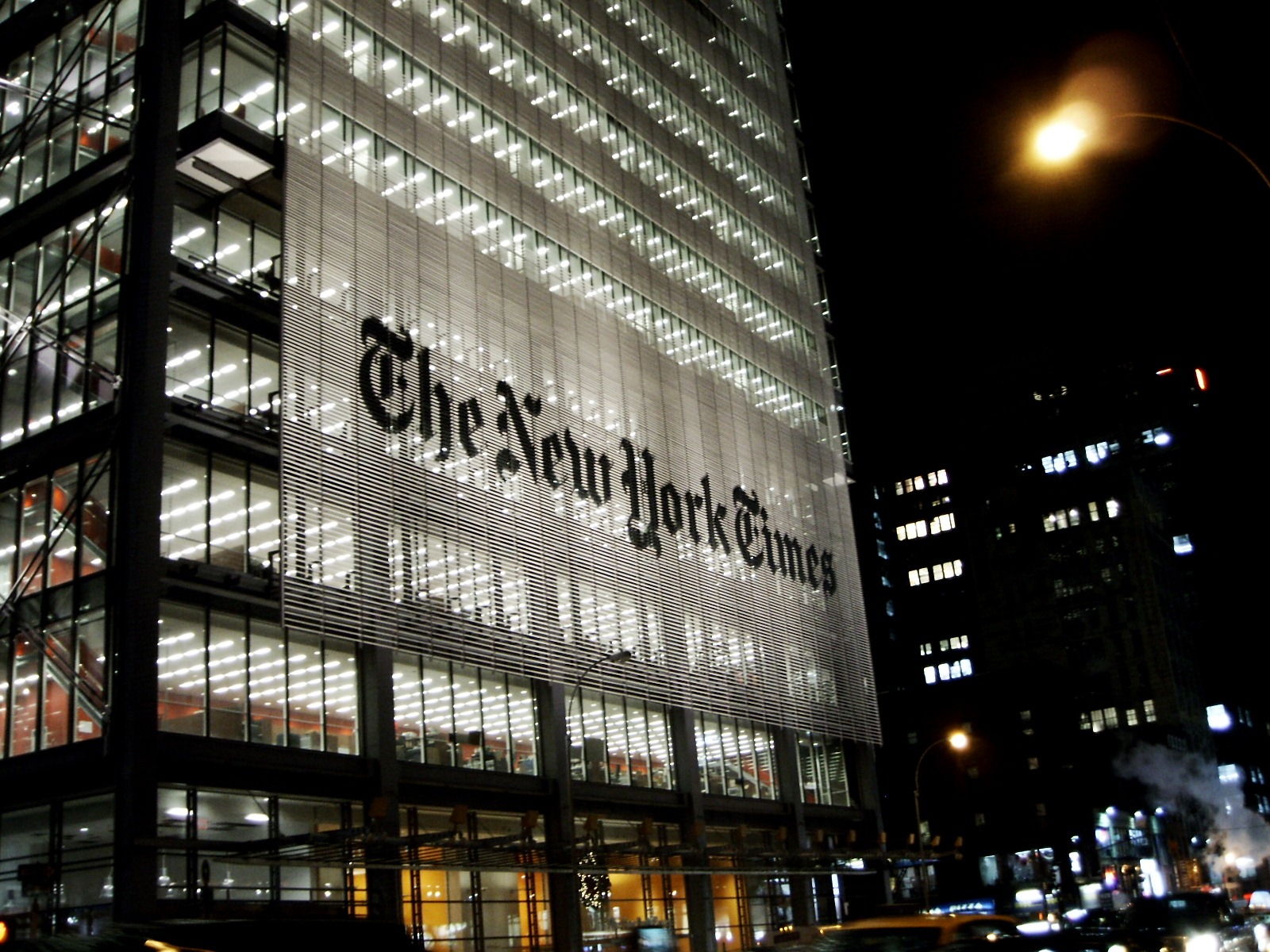
In May 2025, the Marubo filed a defamation suit in Los Angeles, alleging that a New York Times article published in June 2024 misrepresented their experience after gaining internet access via Elon Musk’s Starlink satellites. As The Associated Press reported at the time, the tribe claims the coverage “portrayed the Marubo people as a community unable to handle basic exposure to the internet, highlighting allegations that their youth had become consumed by pornography.”
The original article observed,
After only nine months with Starlink, the Marubo are already grappling with the same challenges that have racked American households for years: teenagers glued to phones; group chats full of gossip; addictive social networks; online strangers; violent video games; scams; misinformation; and minors watching pornography.
The article made no other mention of pornography. But then TMZ, a tabloid owned by Fox Corporation, repackaged the story with an article and video that headlined, “Elon Musk’s Starlink Hookup Leaves A Remote Tribe Addicted To Porn.”
According to the lawsuit, TMZ‘s video segment “falsely framed the Marubo Tribe as having descended into moral collapse.” The New York Times responded with a second story that attempted to clarify the situation, stating “The Marubo people are not addicted to pornography… There was no hint of this in the forest, and there was no suggestion of it in The New York Times’s article.” But in the Marubo’s eyes, the damage was already done.
Unfortunately for the Marubo, Los Angeles County Superior Court Judge Tiana J. Murillo ultimately dismissed the lawsuit. On September 18, 2025, the judge ruled that while much of the coverage could be perceived as “insensitive, disparaging or reflecting a lack of respect,” the legal standard for defamation in this case—actual malice—had not been met.
The Marubo’s attorney, N. Micheli Quadros, said the decision “highlights the imbalance of our legal system,” which “often shields powerful institutions while leaving vulnerable individuals, such as Indigenous communities without meaningful recourse.”
The plaintiffs are now considering possible next steps, including whether to seek relief via international human rights bodies.
While the court’s dismissal may protect the media outlets under U.S. defamation law, any legal outcome doesn’t necessarily translate to cultural or moral accountability. The fact is, for Indigenous communities like the Marubo, reputational harm like this can have serious and long-lasting consequences.
History offers us a sobering reminder of this. In Australia, an ABC Lateline program in 2006 falsely alleged that Indigenous youth in the Northern Territory were being systematically abused. The assertion triggered the Australian government’s Northern Territory Emergency Response (NTER) — a sweeping set of policies that suspended the Racial Discrimination Act, deployed military and police into more than 70 Indigenous communities, dissolved indigenous land rights, and imposed a variety of harsh restrictions including quarantined welfare payments and limits to the freedom of assembly.
These measures were widely condemned by human rights experts and Indigenous leaders as paternalistic and punitive, inflicting trauma on dozens of Indigenous communities under the guise of “protection.”
Brazil came close to imposing a similar intervention. In 2008, media reports of violence and abuse led the federal government to consider sending security forces into Indigenous territories across the country. Though a full-scale “intervention” never materialized, the debate itself revealed how quickly sensational accounts could fuel calls for state control over Indigenous life.
The Marubo’s experience serves as a stark reminder that, when Indigenous peoples are framed through the lens of scandal or crisis, those portrayals do not remain confined to a single article or broadcast. They are amplified by tabloids, social media, and public imagination.
Once entrenched, these narratives deepen existing stigmas by painting Indigenous communities as incapable, immoral, or dangerous. In the worst cases, such portrayals can deepen existing stigmas or worse, open the door to disproportionate responses by governments that already view Indigenous self-determination as a threat.
In that respect, the Marubo’s lawsuit underscores a broader truth that justice cannot be measured solely by the protections afforded to powerful media outlets. True justice requires accountability, cultural respect, and space for Indigenous peoples to tell their own stories.
Without that opportunity, the global media landscape remains a volatile arena where a single careless headline can ignite panic, legitimize punitive state action, and further marginalize the very voices most in need of being heard.
The Marubo Peoples of Brazil’s Amazon filed a lawsuit against major media outlets—The New York Times, TMZ, and Yahoo—claiming that coverage of their community caused harm and perpetuated harmful stereotypes.
A U.S. federal judge dismissed the lawsuit, concluding that the case did not meet the legal thresholds required to proceed under U.S. defamation and related laws.
The Marubo argued that sensationalized and inaccurate reporting damaged their community’s reputation and undermined their right to self-determination, especially at a time when they face threats to their land and culture.
No. While this case was dismissed, the lawsuit highlights broader debates over media accountability, cultural respect, and the power imbalance between Indigenous peoples and global media corporations.
The case underscores ongoing tensions between freedom of the press and the responsibility to report with cultural sensitivity. It also raises questions about how Indigenous communities can seek justice when harmed by international media coverage.
Across the world right now, Indigenous peoples are facing a renewed assault on their lands, rights, and ways of life.
From extractive industries pushing deeper into ancestral territories, to governments rolling back hard-won protections,
the threat is global—and it is growing.
What makes this moment especially dangerous is how little attention it receives.
Stories like this are disappearing in real time. Mainstream media
barely covers it and the coverage is fragmented. The public is left without the context
needed to understand what is truly at stake.
That is exactly why IC Magazine exists..
For more than 20 years, IC has reported on Indigenous struggles worldwide — consistently, independently, and without compromise.
We don’t follow news cycles; we trace patterns. We don’t sensationalize; we provide context.
And when the world looks away, we stay focused.
But this work is increasingly difficult to sustain.
We refuse to lock our reporting behind a paywall. We don’t sell access through subscriptions.
And we don’t answer to advertisers. IC Magazine survives solely because readers like you choose to
support independent Indigenous journalism.
Please donate today if you can. Every contribution helps us to continue this crucial work.
Thank you,
John Ahni Schertow
Founder and Editor in Chief