
Last Updated on October 26, 2026
The Waccamaw have adopted a resolution recognizing the inherent rights of nature in South Carolina.
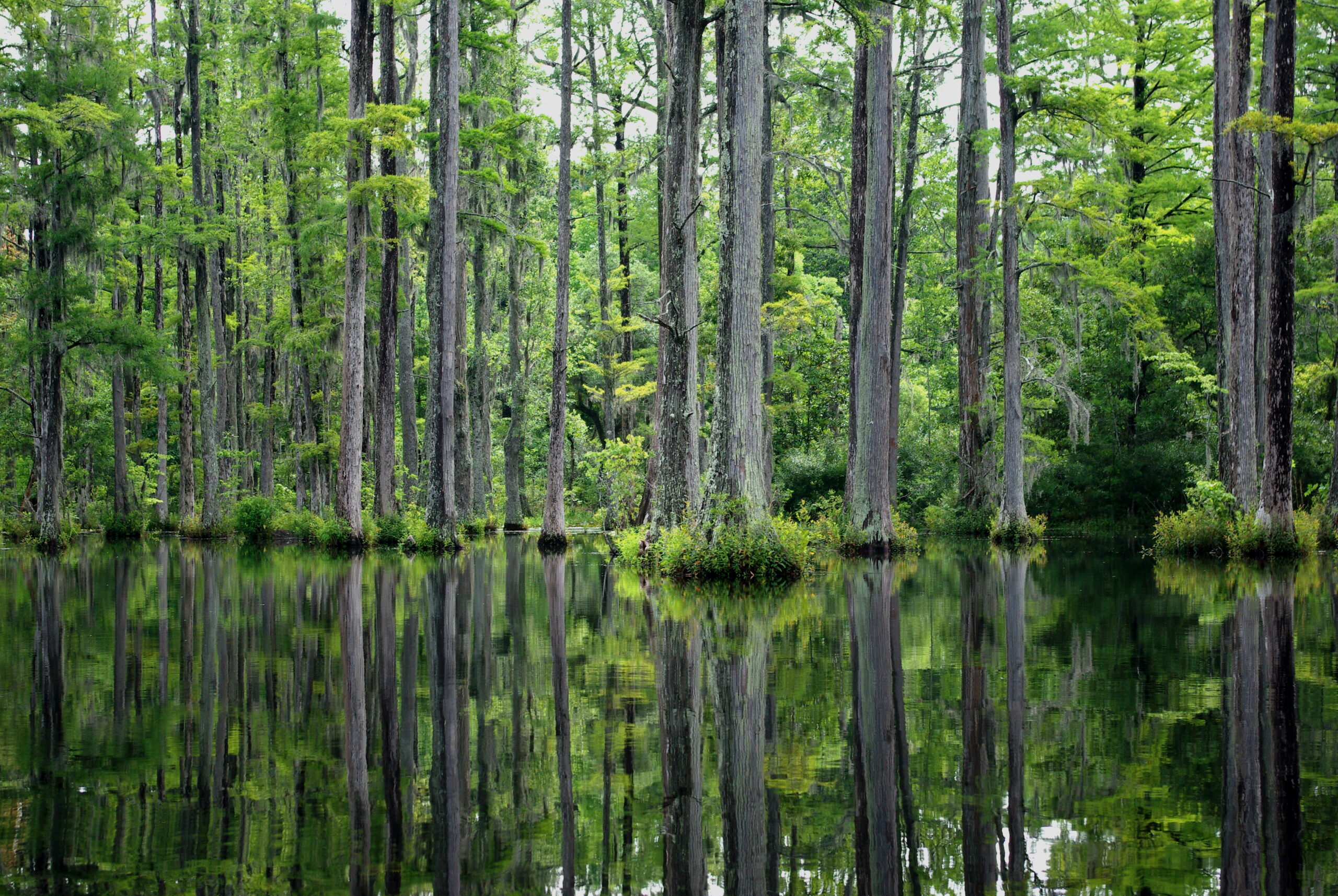
The resolution, approved Aug. 7, marks a new step in the growing movement to recognize nature as an entity with rights rather than merely a resource for human use. It covers the Yadkin-Pee Dee Watershed and ecosystems throughout the Waccamaw’s ancestral homeland.
The tribe says accelerating development and industrialization threaten the region’s ecological health and the community’s longstanding relationship with the land.
The resolution recognizes four fundamental rights: the right of nature to exist, flourish and regenerate; to remain free from contamination; to be restored when damaged; and to be respected as a living community.
It also calls for the tribe to have an equitable voice in regional conservation decisions and land- and water-use planning.
“To restore the well-being that comes with acknowledged interdependence, we declare our rights to have an equitable voice in conservation,” the resolution states.
Chief Cheryl M. Cail said the tribe’s relationship with nature is inseparable from its responsibilities to protect ancestral lands and waters.
“The duty to care for waters and lands is a responsibility passed to us from our ancestors,” Cail said. She added that protecting those places is essential to ensuring future generations inherit a healthy world in which they can determine their own future.
Several other tribal governments in the United States have adopted laws or resolutions recognizing rights for rivers, ecosystems or particular species. These measures differ in scope and legal force, and their adoption does not automatically guarantee that governments or courts will enforce them.
The Waccamaw Indian People are a state-recognized Native American tribe headquartered in Aynor, South Carolina. The tribe is not federally recognized and has pursued federal acknowledgment.
Its resolution is intended to strengthen the tribe’s role in decisions affecting its homeland while reinforcing its longstanding stewardship responsibilities.
Many other Indigenous nations (and non-indigenous governments) have adopted laws, resolutions or other measures recognizing rights for nature. These include:
Across the world right now, Indigenous peoples are facing a renewed assault on their lands, rights, and ways of life.
From extractive industries pushing deeper into ancestral territories, to governments rolling back hard-won protections,
the threat is global—and it is growing.
What makes this moment especially dangerous is how little attention it receives.
Stories like this are disappearing in real time. Mainstream media
barely covers it and the coverage is fragmented. The public is left without the context
needed to understand what is truly at stake.
That is exactly why IC Magazine exists..
For more than 20 years, IC has reported on Indigenous struggles worldwide — consistently, independently, and without compromise.
We don’t follow news cycles; we trace patterns. We don’t sensationalize; we provide context.
And when the world looks away, we stay focused.
But this work is increasingly difficult to sustain.
We refuse to lock our reporting behind a paywall. We don’t sell access through subscriptions.
And we don’t answer to advertisers. IC Magazine survives solely because readers like you choose to
support independent Indigenous journalism.
Please donate today if you can. Every contribution helps us to continue this crucial work.
Thank you,
John Ahni Schertow
Founder and Editor in Chief


